


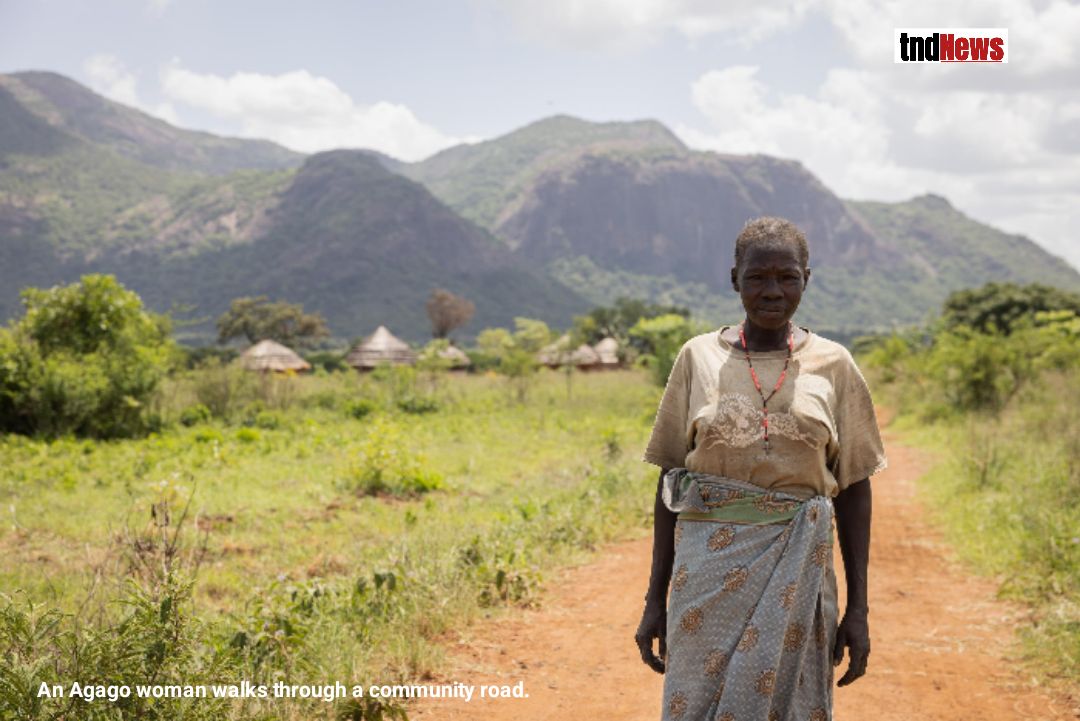
Agago district – 16 years without a single tarmac road
Farmer Abal Sam, from Omot sub-county, said bad roads have become one of the biggest obstacles to agricultural development.

North's First


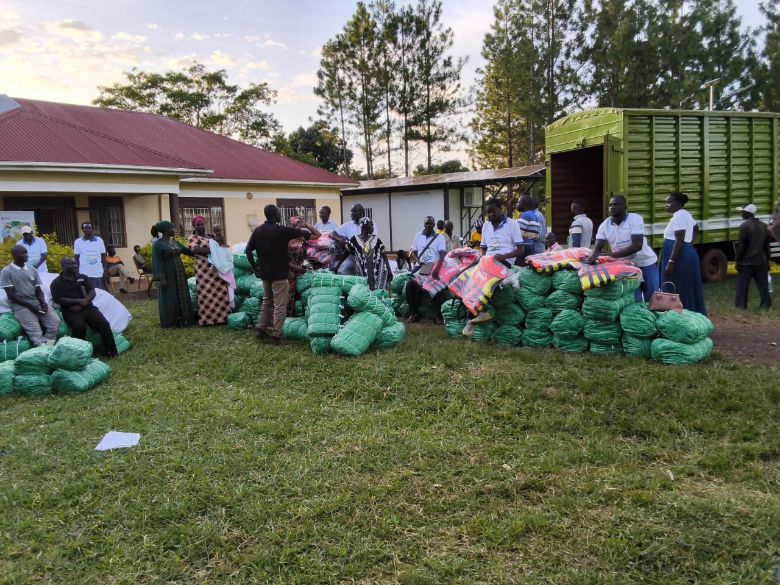
Six fish farming groups in Amolatar district on October 7 received fishing equipment under the Uganda Climate Smart Agricultural Transformation Project (UCSATP). The beneficiary groups…
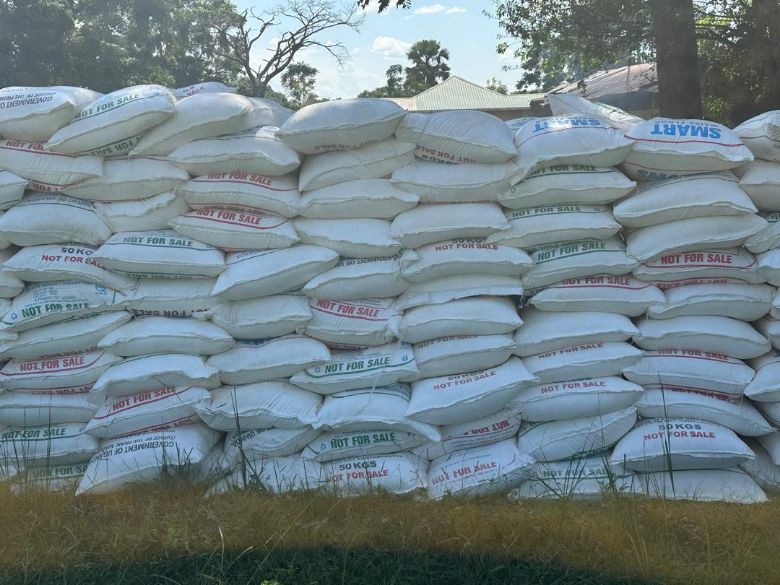
Kole South Member of Parliament, Boniface Okot, has delivered over 16,000kg of relief food from the Office of the Prime Minister to residents of Akalo…
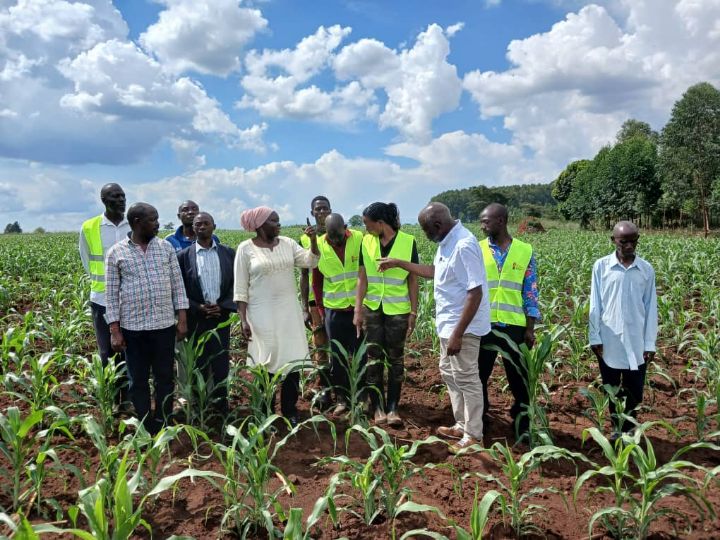
Minister of State for Defence and Veteran Affairs in charge of Veteran Affairs, Dr Huda Oleru Abason last week inspected veterans’ savings and credit cooperative…
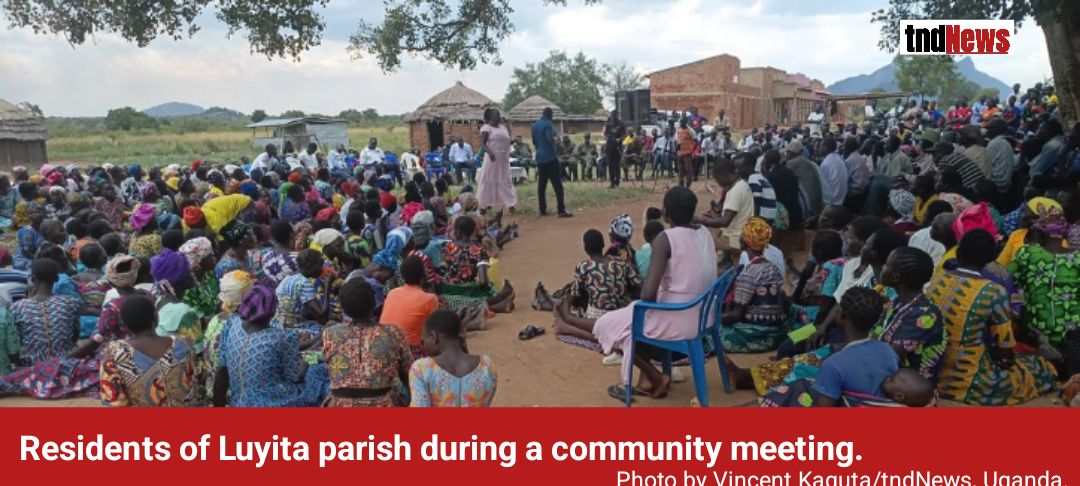
Residents of Omiya Pacwa sub-county in Agago district have called for urgent action to end repeated destruction of crops by elephants and resolve a long-running…
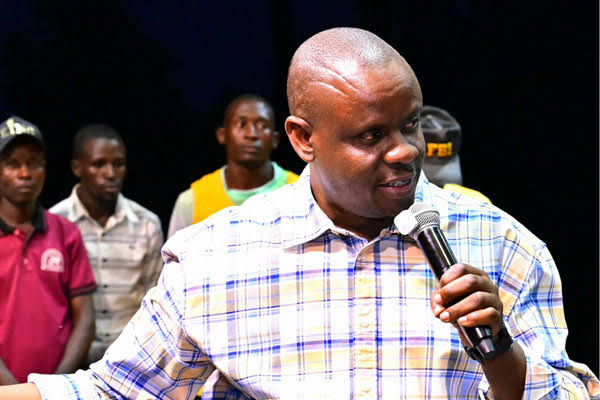
The Minister of Local Government, Balaam Barugahara, has directed Rwampara District to re-advertise the position of District Engineer following concerns…
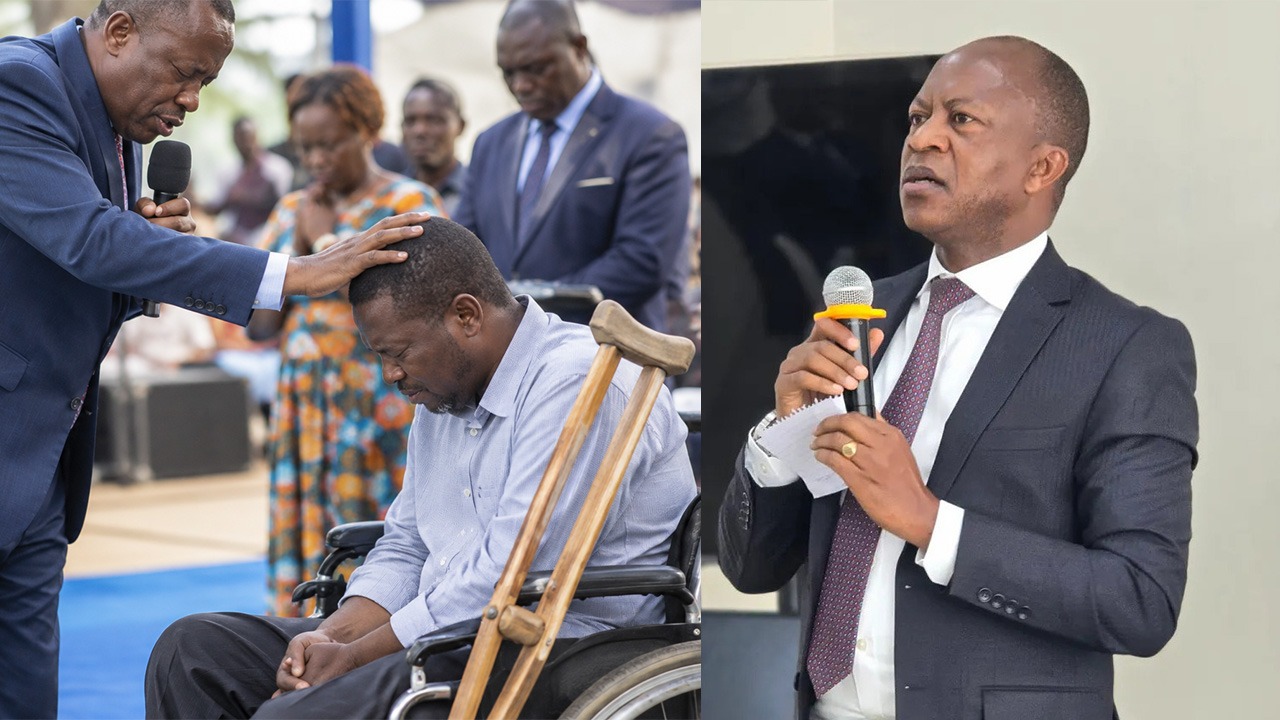
Frank Gashumba has launched a fresh attack on Ugandan pastors amid the ongoing controversy over his challenge to religious leaders…
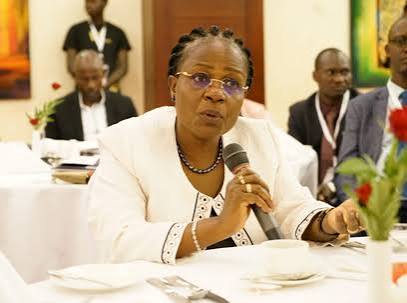
The Anti-Corruption Court has advised former Karamoja Affairs Minister Mary Goretti Kitutu and her co-accused to consider a plea bargain…
Media personality Frank Gashumba has challenged pastors who emphasise miracles, questioning whether Christians would continue attending church if Jesus stopped…
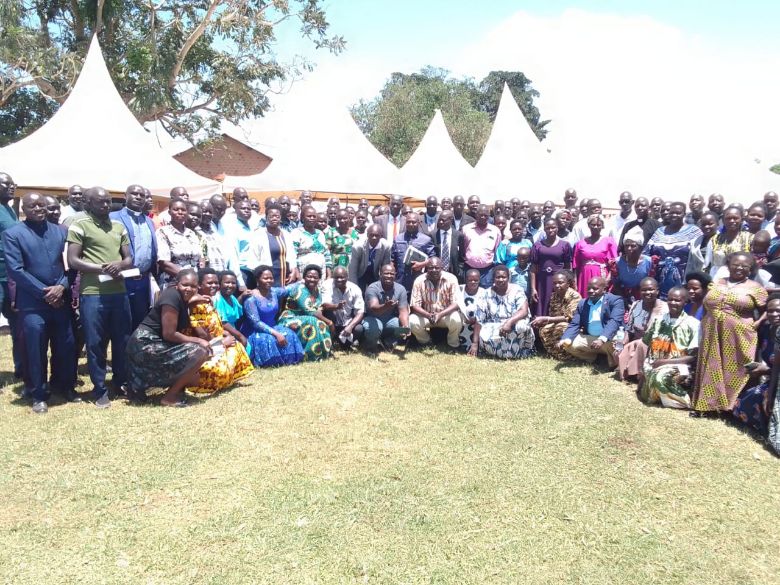
Hundreds of parents whose children learn at Dr Obote College in Lira City have condemned a policy by the Minister…
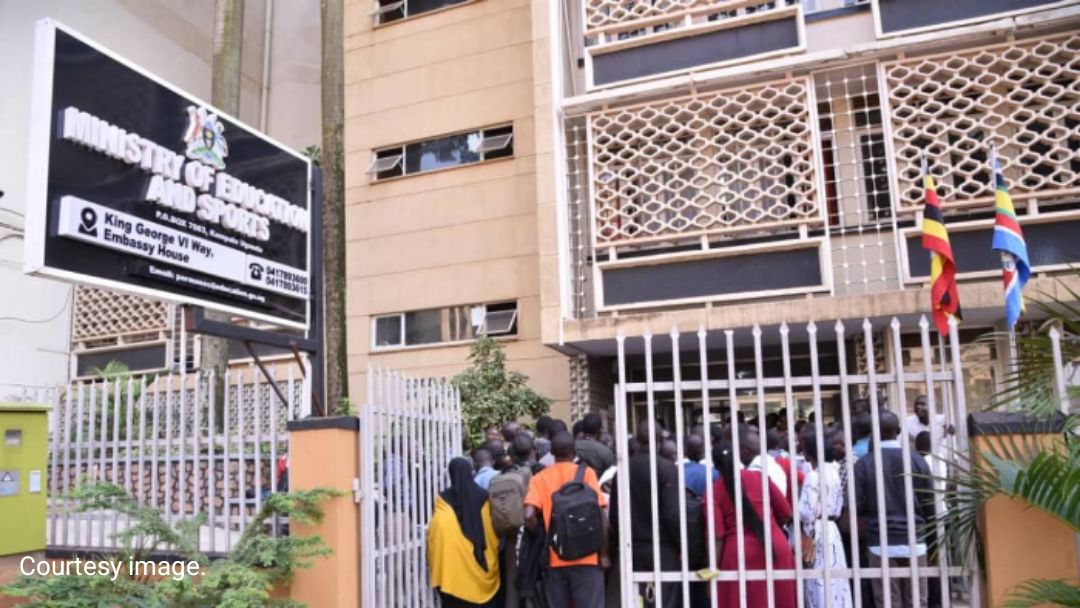
With the provision of capitation grants, Amolatar district local government has directed schools to improve financial accountability and stop sending…

The expiry of contracts for 91 teachers in Palabek Refugee Settlement has raised concerns about preparing candidates for national examinations,…
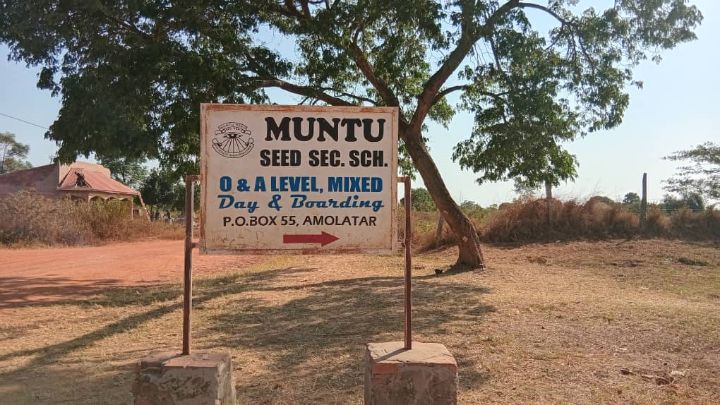
Amolatar District Secondary School Association (ADSSA) has issued a notice threatening to close all boarding sections effective Monday, October 5,…
Farmer Abal Sam, from Omot sub-county, said bad roads have become one of the biggest obstacles to agricultural development.
Ogwal James, LC3 chairperson of Agikdak sub-county, praised FAPAD for its holistic development efforts across multiple sectors in the sub-region.
Lamwo CAO Chuna Kapolon told tndNews, Uganda, that the district authorities continue to assess the situation while coordinating with government ministries and humanitarian agencies to mobilise support.
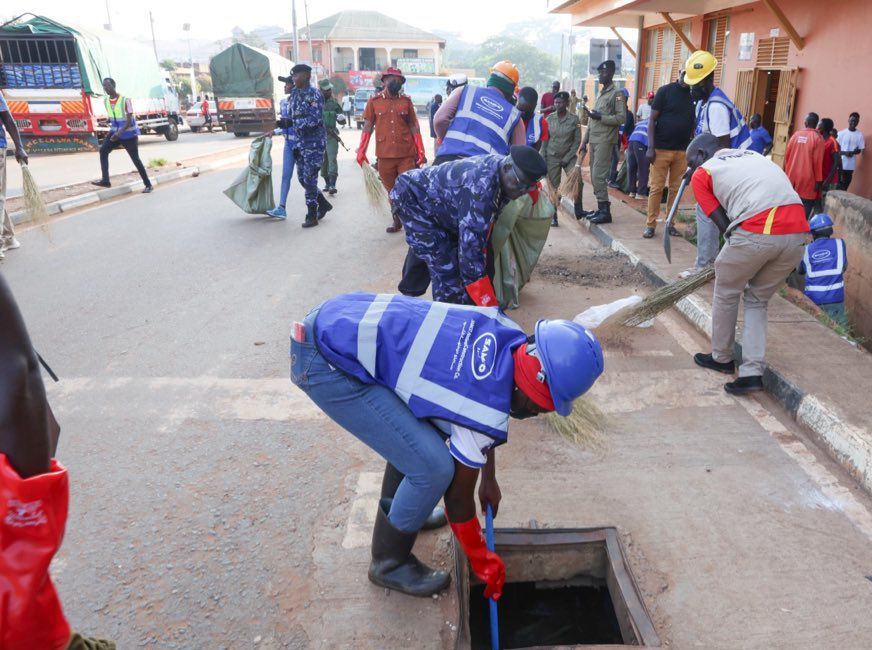
The government’s mandatory national cleaning day is part of broader efforts to improve public health and sanitation across Uganda.
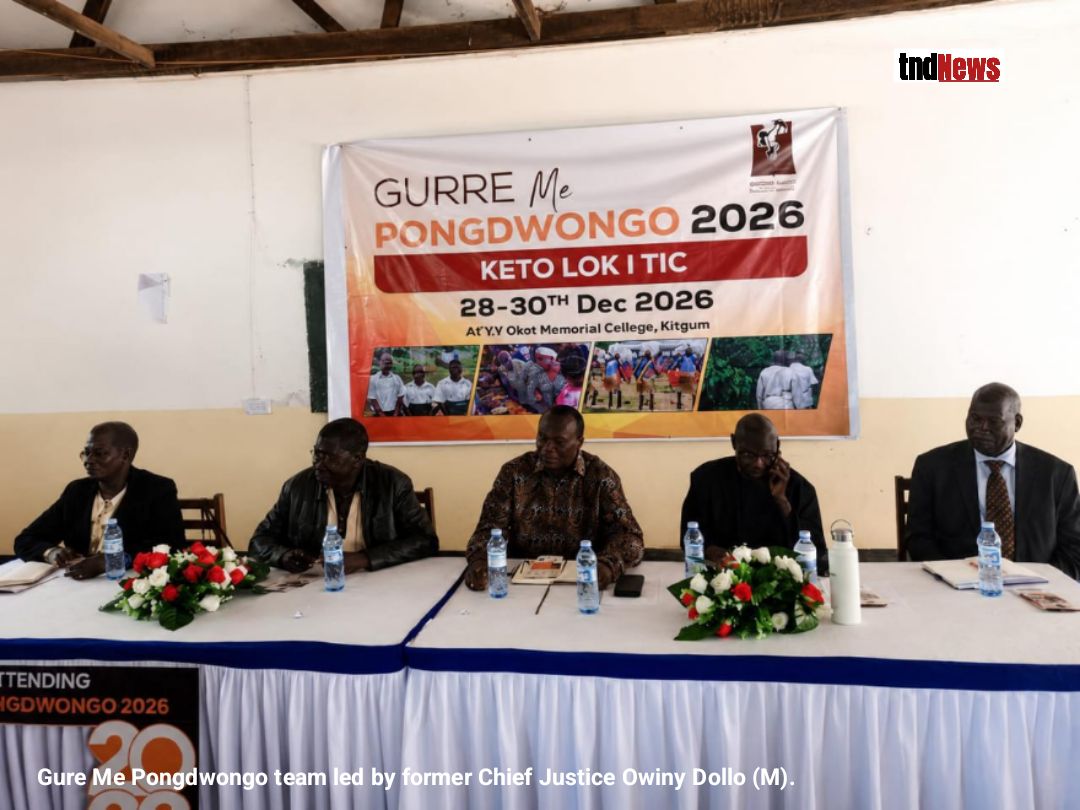
Chief Justice Emeritus Alfonse Chigamoy Owiny-Dollo, the Chairperson of Gurre Madit me Pongdwongo, challenged households across Acholi to embrace agriculture as a pathway to economic transformation.
According to the government, the initiative will beautify Uganda, protect the environment, and prevent diseases that affect Ugandans such as cholera.
For years, MP Dr Opio has been voicing his grievances both on the floor of Parliament and during the Physical Infrastructure Committee meeting.
inspection should not be viewed as a fault-finding exercise, but as an opportunity for continuous improvement.
At the center of the controversy is the NRM chairperson for Padibe West sub-county, Ochola Denis, who is being sought by police and district security officials.
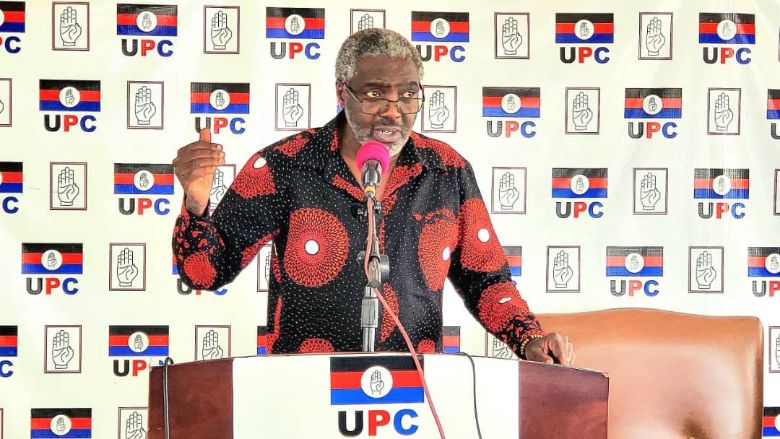
The UPC leader’s remarks come in direct response to recent comments by President Yoweri Museveni in Parliament about Uganda’s political history.
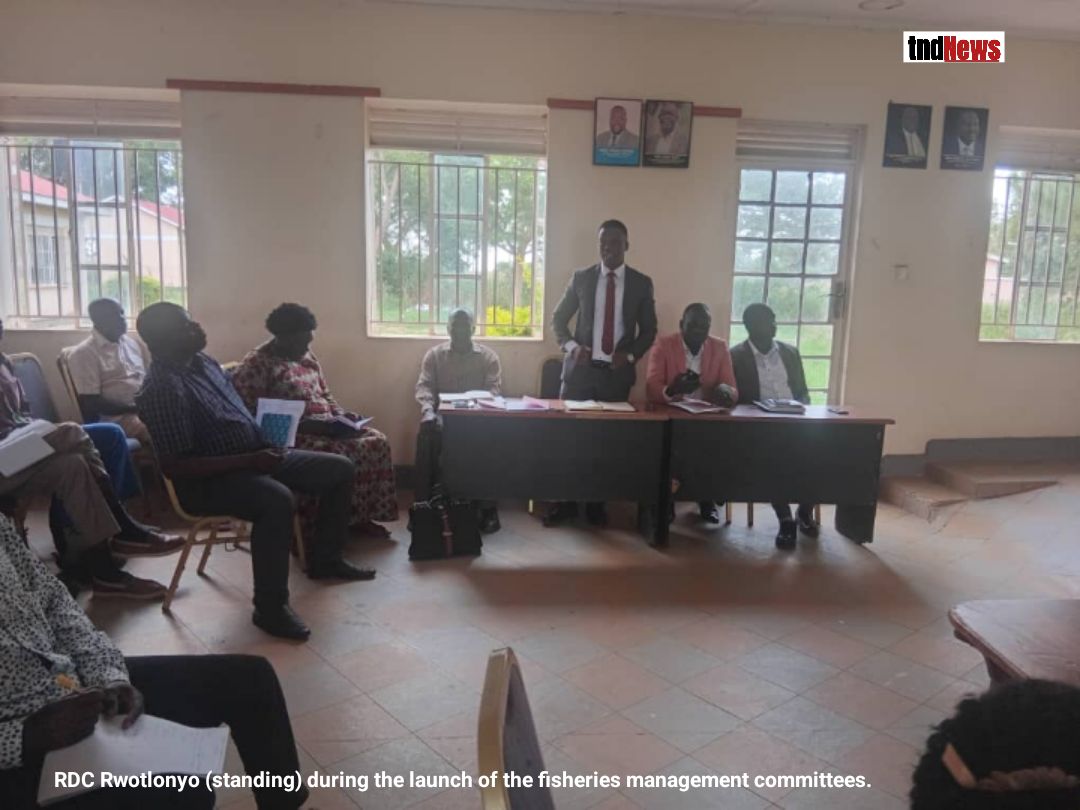
The newly launched committees are now expected to take full charge of monitoring the Lake and managing landing sites immediately.
Officials from both companies said the partnership reflects a shared commitment to innovation and customer-centred financial solutions.
Kindly write to us to copy and paste this article. Thank you!
North's First