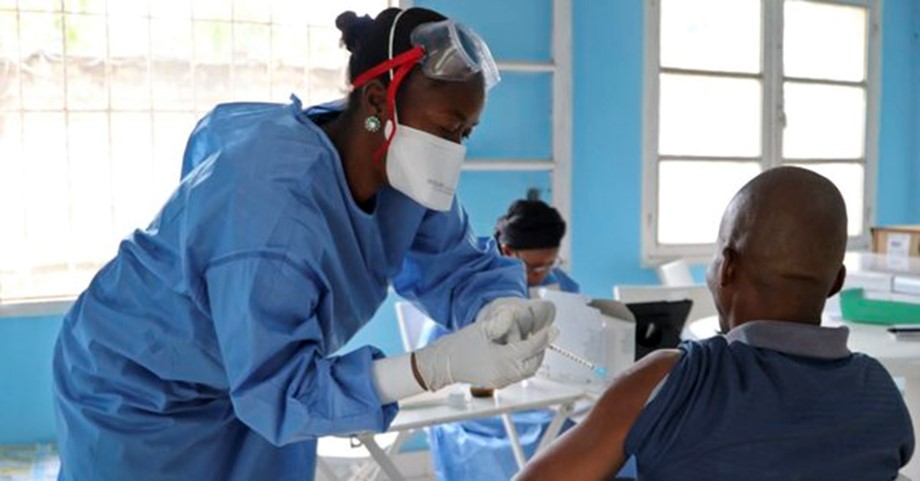
Global health experts have issued a sobering warning regarding the quiet, terrifying expansion of “superbugs”—microbes that have mutated to survive our strongest antibiotics.
The alarm highlights a growing frustration among frontline clinicians: while international agencies focus on grand statistics and broad policy directives, they frequently fail to provide the practical, immediate tools needed to stop these deadly pathogens where they strike hardest.
A comprehensive approach to infection prevention could drastically halt the rapid transmission of these resistant microbes.
Yet, a troubling anomaly has emerged in global health data: antimicrobial resistance (AMR) is aggressively rising even in regions with perfect compliance to clean water, sanitation, and hygiene (WASH) protocols.
In critical care units (ICUs), this policy failure has deadly consequences. Medical tracking shows that an alarming 38% of superbug-related deaths occur within just 14 days of admission highlighting the acute vulnerability of patients admitted to critical care.
Waiting for sluggish government approvals or sweeping global policy transformations is a luxury that terminal patients simply do not have.
While the world waits for massive, multi-year global projects like universal vaccination and agricultural livestock reforms to take effect, experts acknowledge that immediate local actions implemented at the hospital level is the only way to get the fastest results. Broad policies take time, but a sterile barrier can be created today.
“We can no longer afford to treat antimicrobial resistance as a distant policy issue. When a patient enters the ICU, the clock is ticking against highly adaptable pathogens. The data shows that waiting for national or global guidelines is a luxury these patients do not have. Our most powerful clinical tool isn’t a new drug—it’s preventing the transmission at the bedside tonight,” Dr. N. K. Venkataramana, Neurosurgeon and Founder Chairman of Brains Super Speciality Hospital in Bengaluru.
“Even with flawless municipal hygiene and water systems, the hospital environment operates under its own ecological pressures. Superbugs thrive in the spaces between policy decisions. Localized, aggressive ward-level intervention is the only immediate buffer we have to protect vulnerable patients from day one of admission,” Dr. Pavithra. V, Chief Consultant in Neuroanaesthesia and Neuro-critical Care at Brains Super Speciality Hospital.
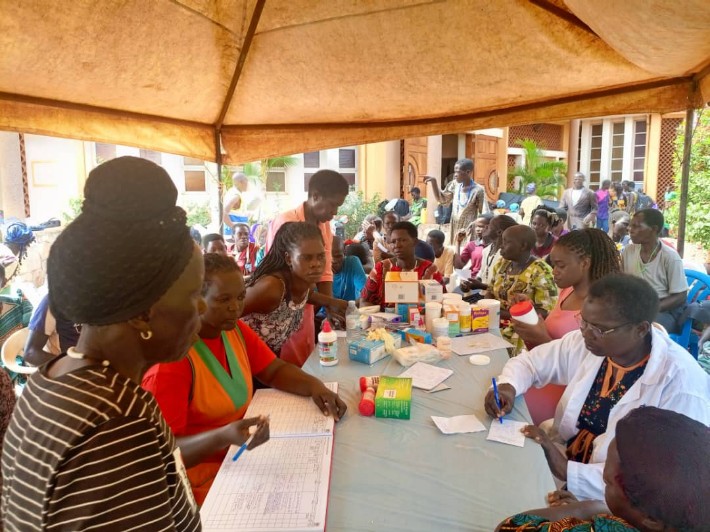
“Maintaining robust hygiene standards in rural districts is our absolute first line of defence against infectious outbreaks,” notes Dr. R. Nagaraja Naidu, Chairman of the Pragathi Rural Development Trust in Krishnapuram, Tirupati District, Andhra Pradesh.
“Preventing the spread of these resistant microbes relies entirely on standardizing hygiene education, providing practical technical tools, and ensuring effective biomedical waste-management protocols in community healthcare settings and providing appropriate tools to frontline workers.”
The math behind the crisis is simple yet absolute: If you stop the infection from ever entering a patient’s body, the superbug never gets the chance to develop resistance. No infection means no need for exhausting lab tests, and zero reliance on heavy, toxic antibiotics.
The Clinical Shift:
Traditional Path: Infection → Lab Testing → Toxic Antibiotics → Resistance Risk.
Localized Bedside Path: Bedside Prevention → Zero Infection → No Testing → Zero Antibiotic Reliance.
Moving beyond the Basics: Stopping the invisible ICU vectors
In high-risk environments like Intensive Care Units (ICUs), basic hygiene and standard device care checklists are no longer enough to protect vulnerable patients. To achieve the rapid containment required to save lives, pioneering hospitals are shifting to an aggressive, multi-layered containment strategy:
Active Surveillance Culturing (ASC): Instead of waiting for a patient to show signs of a severe fever, ICU clinicians proactively swab high-risk individuals upon admission. This spots asymptomatic “stealth carriers” of deadly strains like MRSA or CRE before they enter the general ward.
Geographic isolation and cohorting: Once identified, these carriers are immediately placed into dedicated, physically segregated isolation zones.
Dedicated staff shielding: Nurses, doctors, and therapists are assigned exclusively to either infected or uninfected zones. This strict barrier stops hospital staff from accidentally acting as human bridges carrying superbugs from bed to bed.
The new shield: Eco-Friendly Fogging in patient occupied critical care units:
To destroy the invisible film of superbugs that lingers on surfaces, medical tech is turning to an innovative solution: Citrobioshield fogging. Formulated from natural citrus fruit bioflavonoid extracts, this specialized, hospital-tested antimicrobial mist is deployed via automated micro-droplet fogging devices.
It delivers a massive 6-log reduction—meaning it wipes out 99.9999% of surface and airborne viruses, bacteria, and highly resistant hospital spores.
What makes this biological mist a game-changer for overcrowded hospitals is its distinct operational profile over toxic, traditional chemical fumigation:
No patient displacement: Traditional hospital fumigation relies on harsh, toxic chemicals that require closing wards and evacuating patients.
Because Citrobioshield is completely organic, non-toxic, and non-irritating, it can be fogged directly in active ICUs and operating rooms with patients and staff present, causing zero disruption to emergency healthcare workflows.
Total tech protection: Modern ICUs are packed with millions of dollars of delicate digital monitors, dialysis arrays, and complex ventilator tubings. Standard chemical vapors can corrode and destroy these sensitive systems.
The non-corrosive, non-flammable citrus-based shield sanitizes every square inch of high-tech gear safely, leaving zero harmful residues.
Long-lasting defense: While standard chemical or alcohol wipes dry in seconds—leaving surfaces vulnerable to immediate re-contamination—this bio-barrier establishes a resilient residual layer that continuously fights off incoming superbugs under extreme conditions.
Rapid ward turnaround: Because the mist is entirely odorless and safe, it eliminates the hours of downtime usually required to “air out” a room after disinfection. Wards and surgical suites can be turned over and re-used almost immediately between procedures, maximizing hospital capacity.
Ultimately, the global fight against antimicrobial resistance will not be won with sweeping macro-level rhetoric or statistics alone.
It will be won on the ground, bed by bed, by hospitals utilizing cutting-edge local tracking, strict physical staff containment, and safe, continuous environmental sterilization tech.
Discover more from tndNews, Uganda
Subscribe to get the latest posts sent to your email.