Ugandans have been warned to carefully inspect beans before buying and cooking them after the Ministry of Agriculture, Animal Industry and Fisheries (MAAIF) raised an alarm over poisonous rubber tree seeds allegedly being mixed with beans sold in local markets.
The warning, issued on October 25, 2026, highlighted concerns about food safety, particularly after reports of the problem emerged in Agago district.
According to the ministry, complaints and evidence had pointed to the presence of rubber tree seeds, scientifically known as Hevea brasiliensis, among beans intended for human consumption.
The ministry warned that the seeds are not food and should never be eaten, whether raw or cooked together with beans. However, it has not disclosed how many markets or traders may be affected or whether any poisoning cases have been confirmed.
MAAIF explained that rubber tree seeds contain cyanogenic glycosides, compounds that can release cyanide when ingested. Exposure may cause serious symptoms, including severe stomach pain, vomiting, dizziness, headaches, weakness and diarrhoea.
The ministry cautioned that the danger should not be taken lightly because unsuspecting consumers may fail to notice the seeds when sorting beans for cooking.
Children are considered particularly vulnerable to the potential effects of poisoning. The ministry also warned that chickens and pigs could die after consuming significant quantities of the seeds.
The situation has raised concerns because beans are a staple food in many Ugandan households, meaning contaminated produce could expose numerous people if it reaches consumers unnoticed.

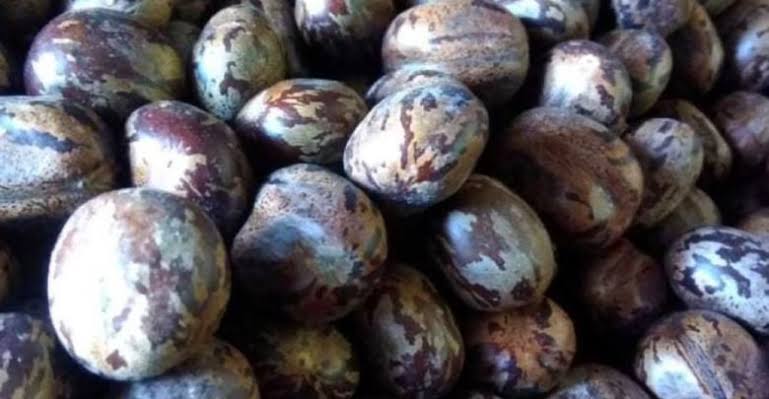
To help people identify the dangerous seeds, the ministry said rubber tree seeds are generally round, resembling marbles, with shiny grey-white surfaces marked by dark brown or black spots and stripes.
Ordinary beans typically have different shapes and appearances. Consumers have therefore been urged to spread their beans on a flat tray and examine them carefully before purchasing or preparing them.
The ministry further advised consumers to sort their beans thoroughly and wash them two or three times with clean water after removing suspicious seeds.
However, washing should not be considered a guarantee that contaminated beans are safe. Anyone who suspects that a batch contains rubber tree seeds should avoid cooking or eating it and seek guidance from an agricultural extension worker or health facility.
MAAIF has also urged traders to handle and store food responsibly, warning them against using sacks previously used to store rubber tree seeds or other non-food materials for keeping beans.
Local authorities, parish chiefs, Local Council leaders and Village Health Teams have been called upon to sensitise communities and support efforts to prevent contaminated produce from reaching consumers.
Anyone who suspects they have eaten the poisonous seeds should seek immediate medical attention rather than waiting for symptoms to worsen. The ministry has also called for greater vigilance among market authorities and food sellers.
Although the extent of the reported contamination remains unclear, the warning serves as an important reminder for consumers to inspect their food carefully and report suspicious produce to the relevant authorities.
Discover more from tndNews, Uganda
Subscribe to get the latest posts sent to your email.