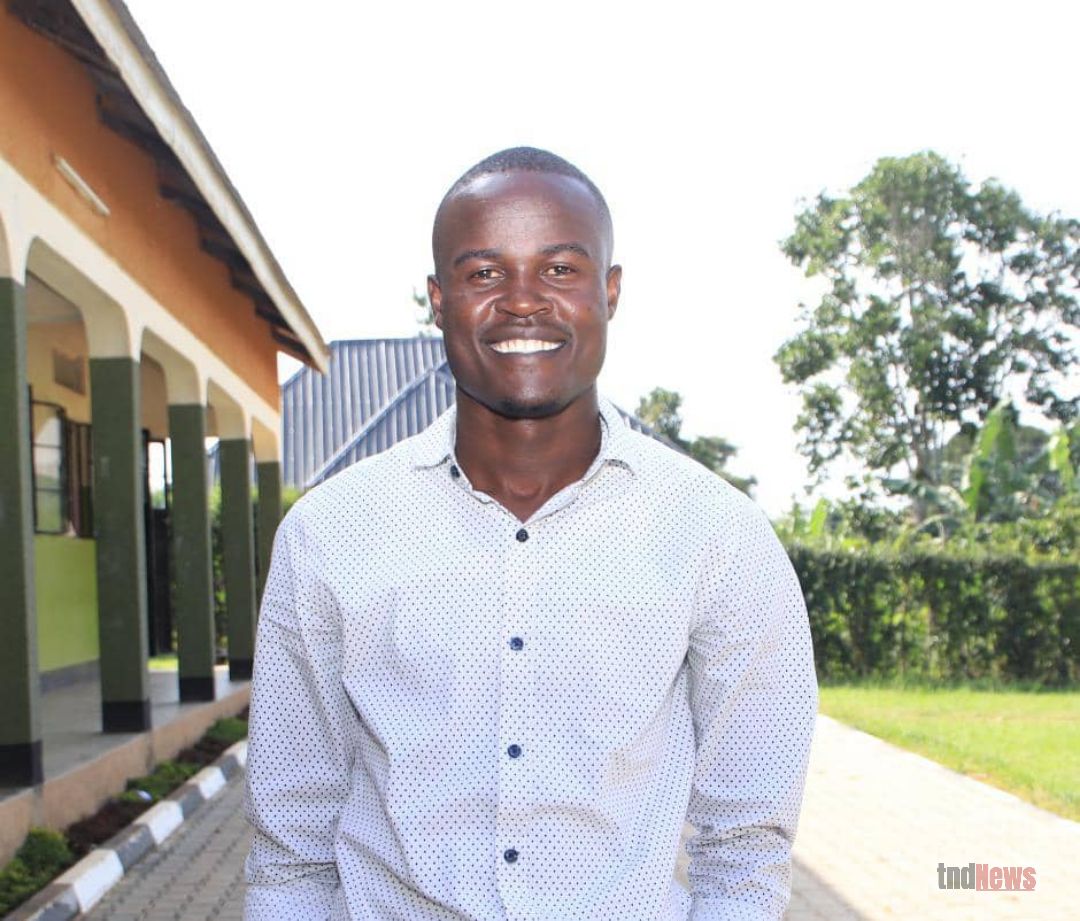
Sunday of two crashes: Who is next on Lira City roads?
Sunday, September 20, started like any other day, until my phone became a bearer of bad news.

North's First

Sunday, September 20, started like any other day, until my phone became a bearer of bad news.
The UN contributes funds, especially when the ICC investigates and prosecutes cases referred to it by the UN Security Council.
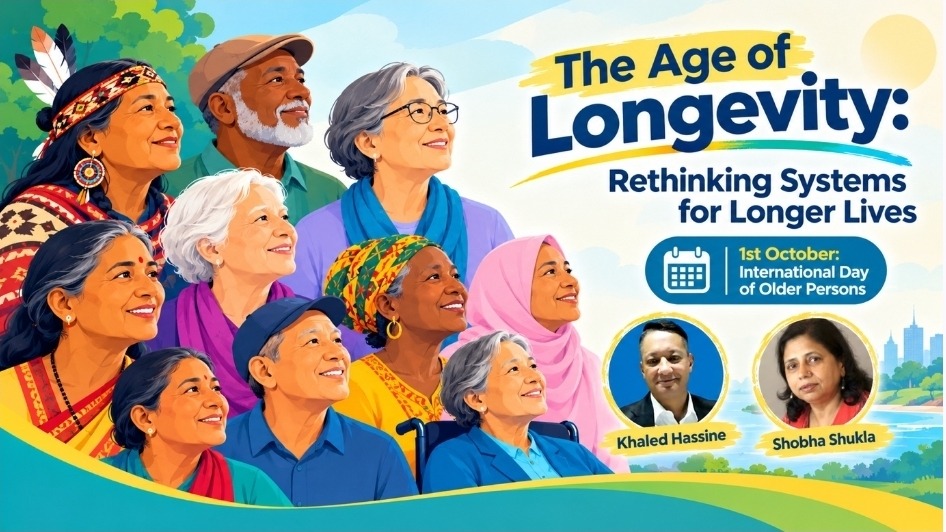
For too long, older persons have often been framed as people who need pensions, healthcare, family support and/or social protection.
Climate change cannot be managed by press conferences, Presidential addresses and workshops in Kampala by experts and politicians.
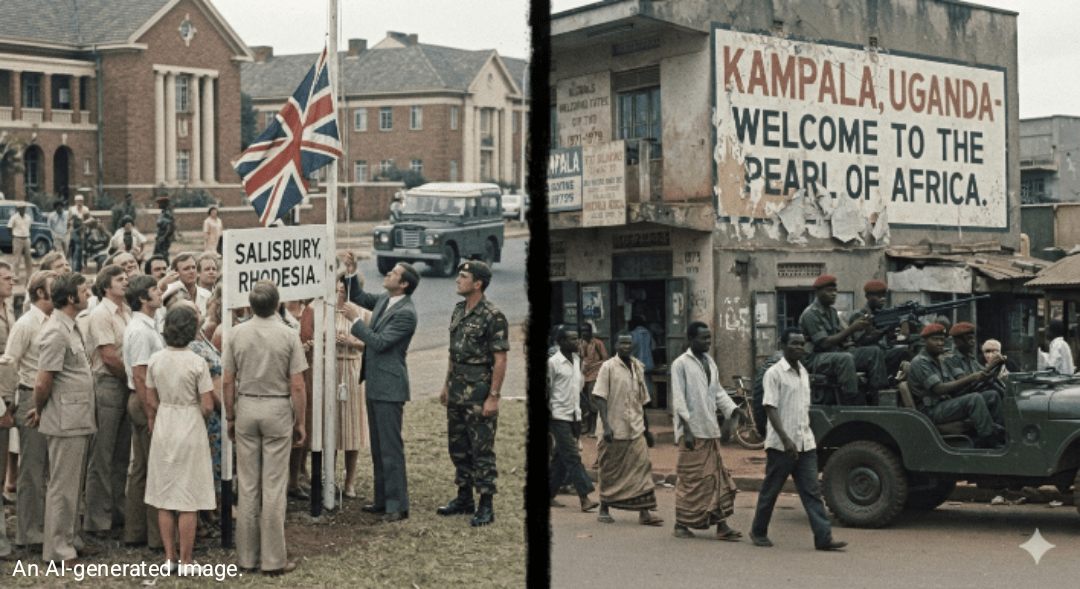
In colonial Southern Rhodesia, 200,000 white settlers ruled over 4 million Africans.
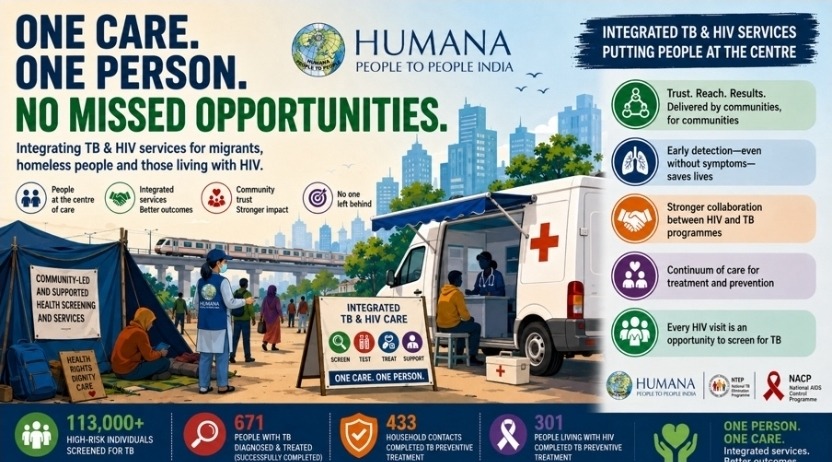
Every interaction with HIV services should be viewed as an opportunity for TB screening.
When drought destroys harvests, when water sources recede, when families lose access to productive land or when communities are displaced by mining, households become more economically vulnerable.
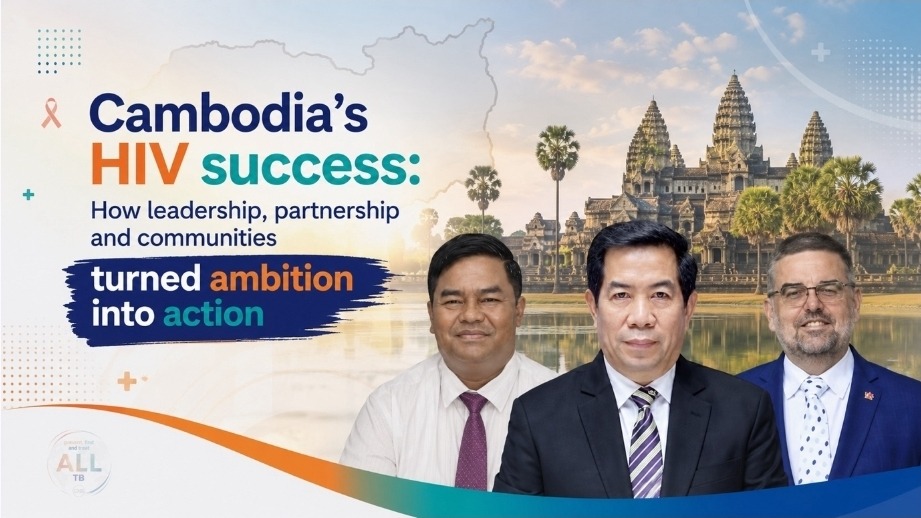
Cambodia’s HIV achievement therefore stands not simply as a numerical milestone, but as an example of what sustained collaboration can accomplish.
Positioning SRHR as a development, education, economic and gender equality issue – and not merely a health issue – is central to this effort.
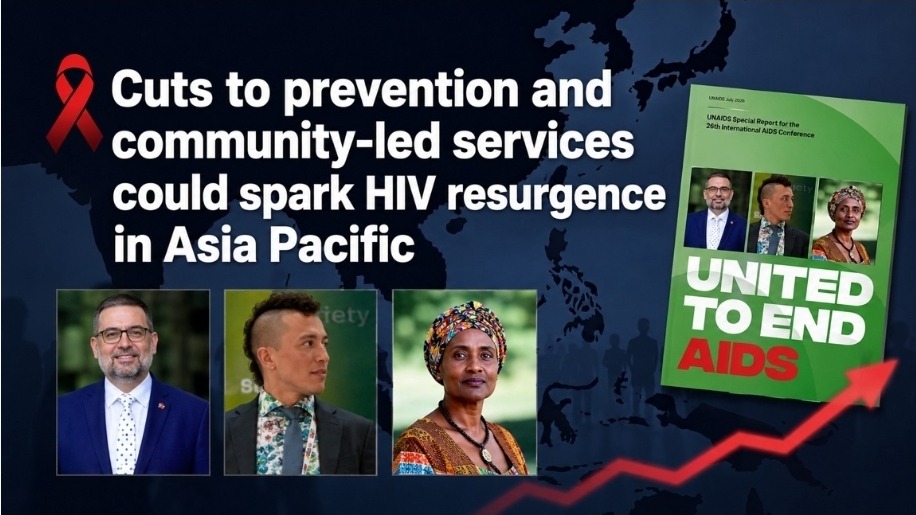
Globally, a 2026 study across 47 countries found steep reductions in community-led services, including cuts of 50% to community-led support for HIV prevention medicines and care.
The green economy must not become the latest justification for old injustices. Africa deserves an energy future that is not only renewable but also fair.
In contemporary Uganda, the truth has become an endangered species, writes Prof. Oweyegha-Afunaduula.
Kindly write to us to copy and paste this article. Thank you!