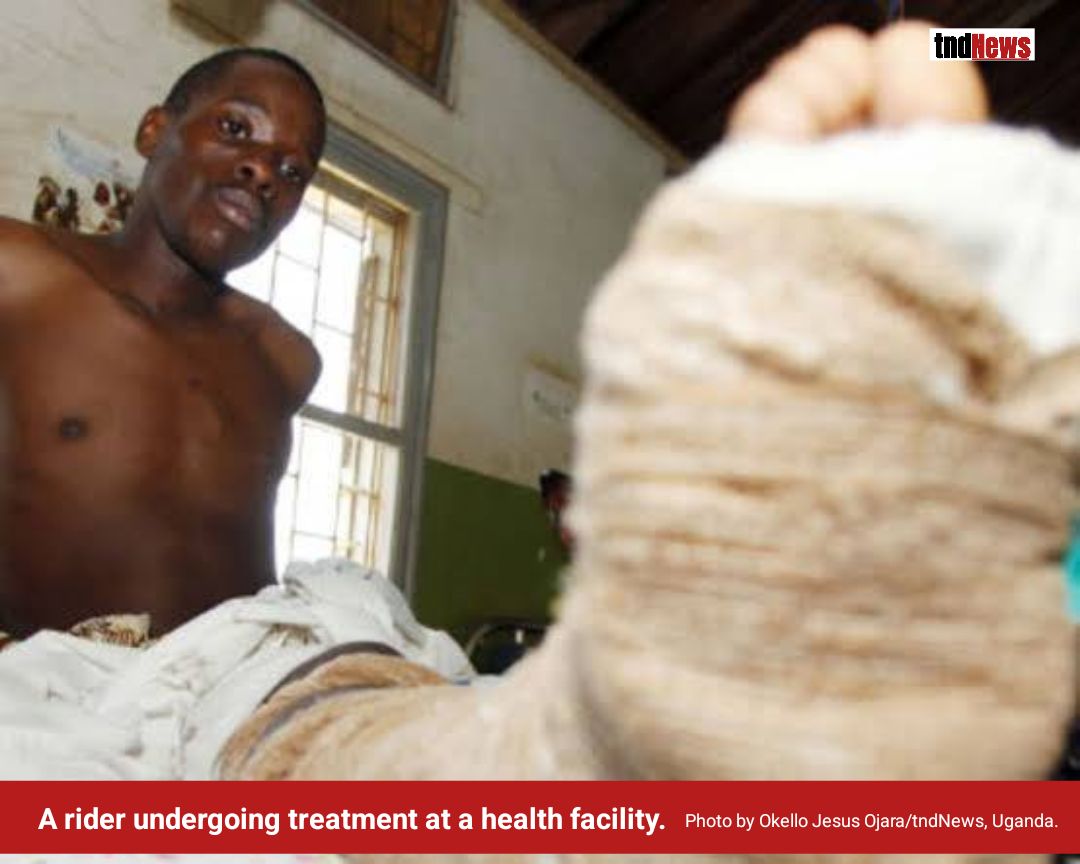
The day Bosco crashed, his fellow riders became his insurance
Financial experts say the growth of informal rider welfare funds exposes broader failures in Uganda’s social protection and insurance systems.

North's First

Financial experts say the growth of informal rider welfare funds exposes broader failures in Uganda’s social protection and insurance systems.
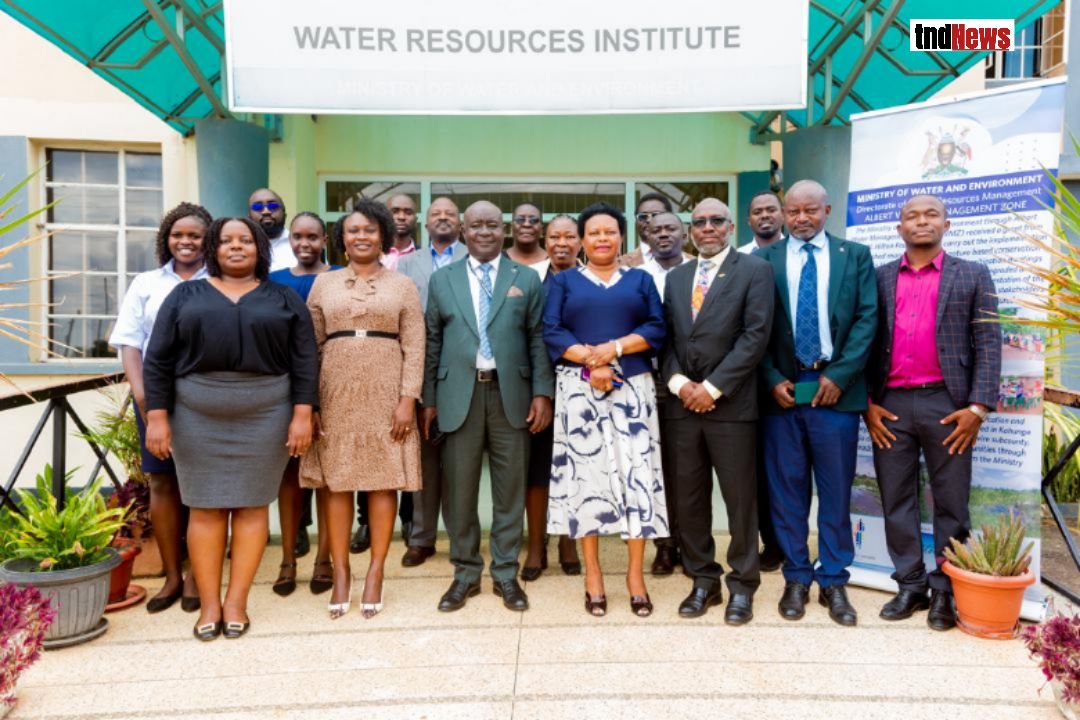
Efforts to restore and secure water resources in the Mpanga Catchment received a major boost on Tuesday as key stakeholders convened at the Water Resources Institute in Entebbe.
Ahead of World Contraception Day and International Safe Abortion Day 2026, health experts and rights…
NIRA recognises and registers several forms of marriage, including civil, Christian, Muslim, customary and Hindu marriages.
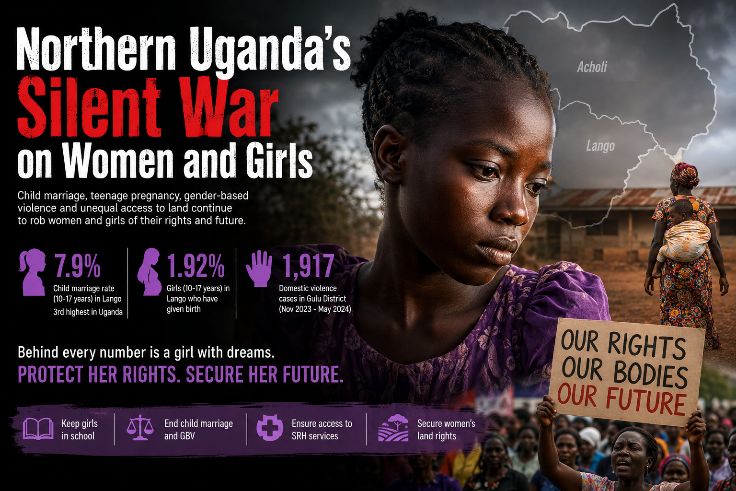
The growing pushback against gender equality and sexual and reproductive health rights could have particularly serious consequences for women and girls in Northern Uganda.
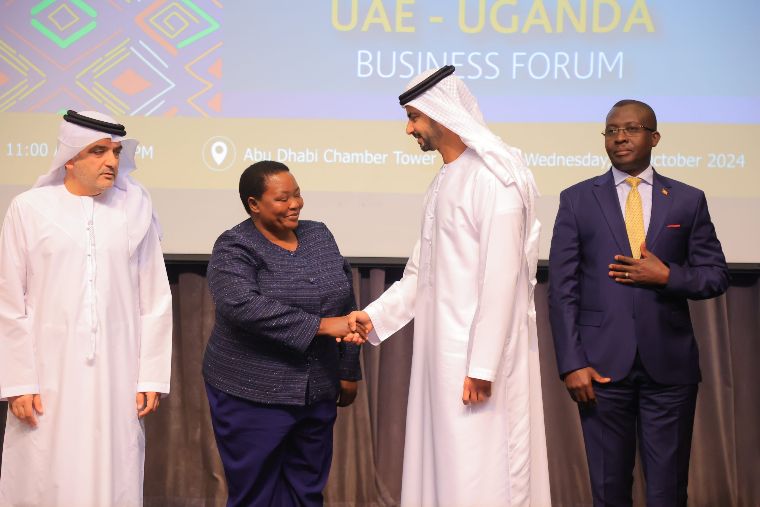
Uganda and the United Arab Emirates are set to deepen trade and investment ties at the 5th Edition of the UAE–Uganda Business Forum, scheduled for October 26–29, 2026.
UNBS investigations found that cases of underweight cement are emerging further along the supply chain, particularly at some hardware shops and warehouses.
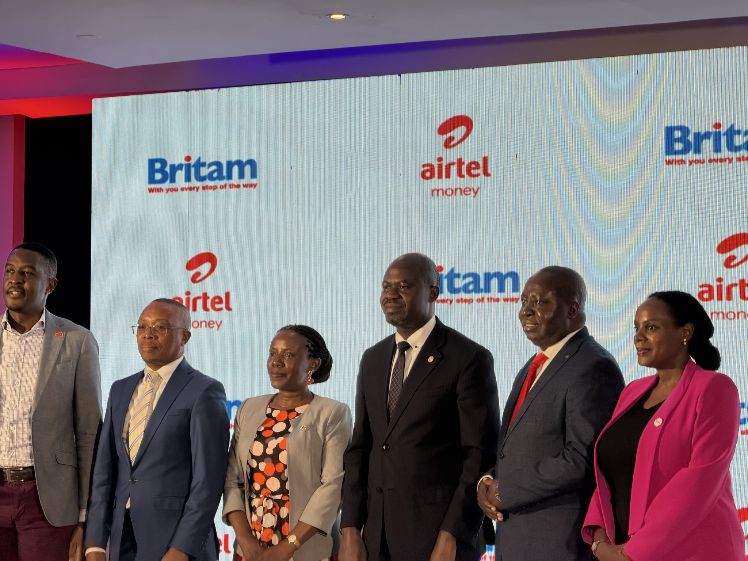
Officials from both companies said the partnership reflects a shared commitment to innovation and customer-centred financial solutions.
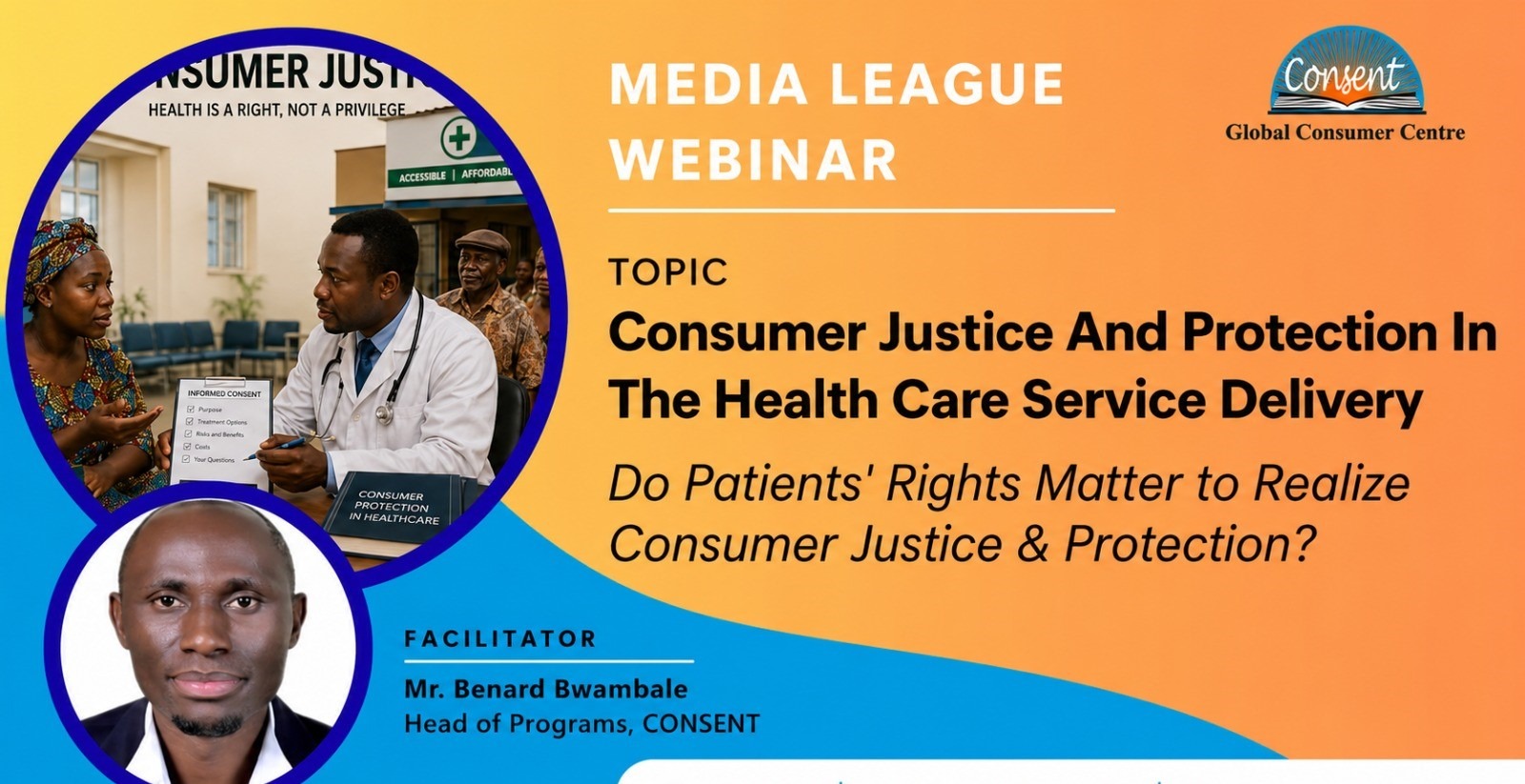
The WHO charter stresses that confidentiality and data security must remain central to patient care.
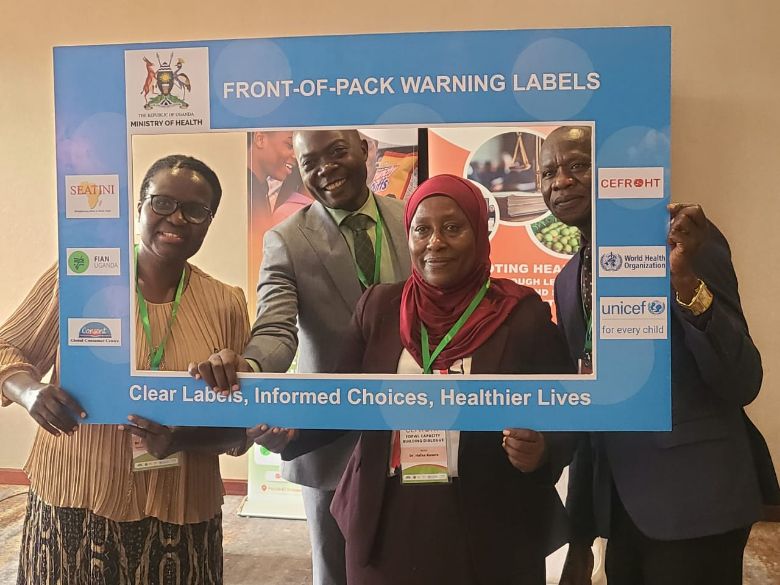
Health advocates emphasised that clear front-of-pack warning labels have been successfully implemented in several countries,
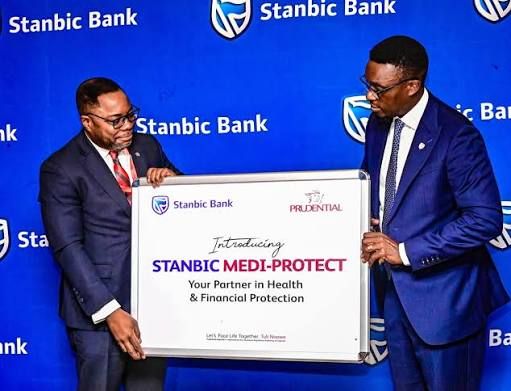
For the 99% of Ugandans currently navigating illness without a financial safety net, that promise backed by a shs350,000 entry point may be the most important insurance story never told.
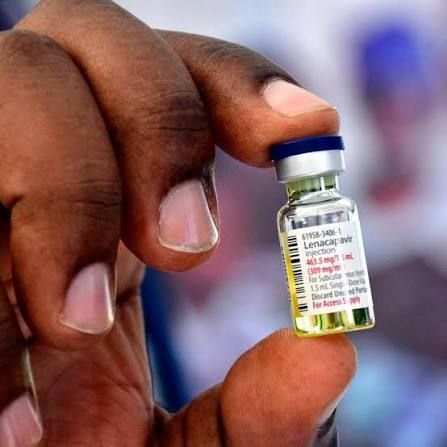
UNAIDS Executive Director Winnie Byanyima has called the pricing beyond comprehension, noting that research shows that the drug could be produced for just US$ 40 per person per year.
Kindly write to us to copy and paste this article. Thank you!