For a sub-region with as many as 17 FM radio stations and a significant number of journalists attached to major national media houses and online publications, Lango sub-region should be a shining example of a vibrant, united press.
Instead, it presents a troubling paradox. Strength in numbers but weakness in cohesion.
Over the years, journalists in Lango have struggled to build a unified front. Petty disagreements, personal rivalries, and mistrust have repeatedly overshadowed the collective responsibility they share as watchdogs of society.
What should be a profession grounded in collaboration, integrity, and public service has instead become fragmented, with individuals and groups pulling in different directions. Perhaps most concerning is the pattern of selective unity.
When opportunities arise, particularly those tied to financial gain, journalists suddenly appear organised and cooperative. Workshops, programs, or initiatives that come with allowances or facilitation funds often attract a temporary sense of solidarity.
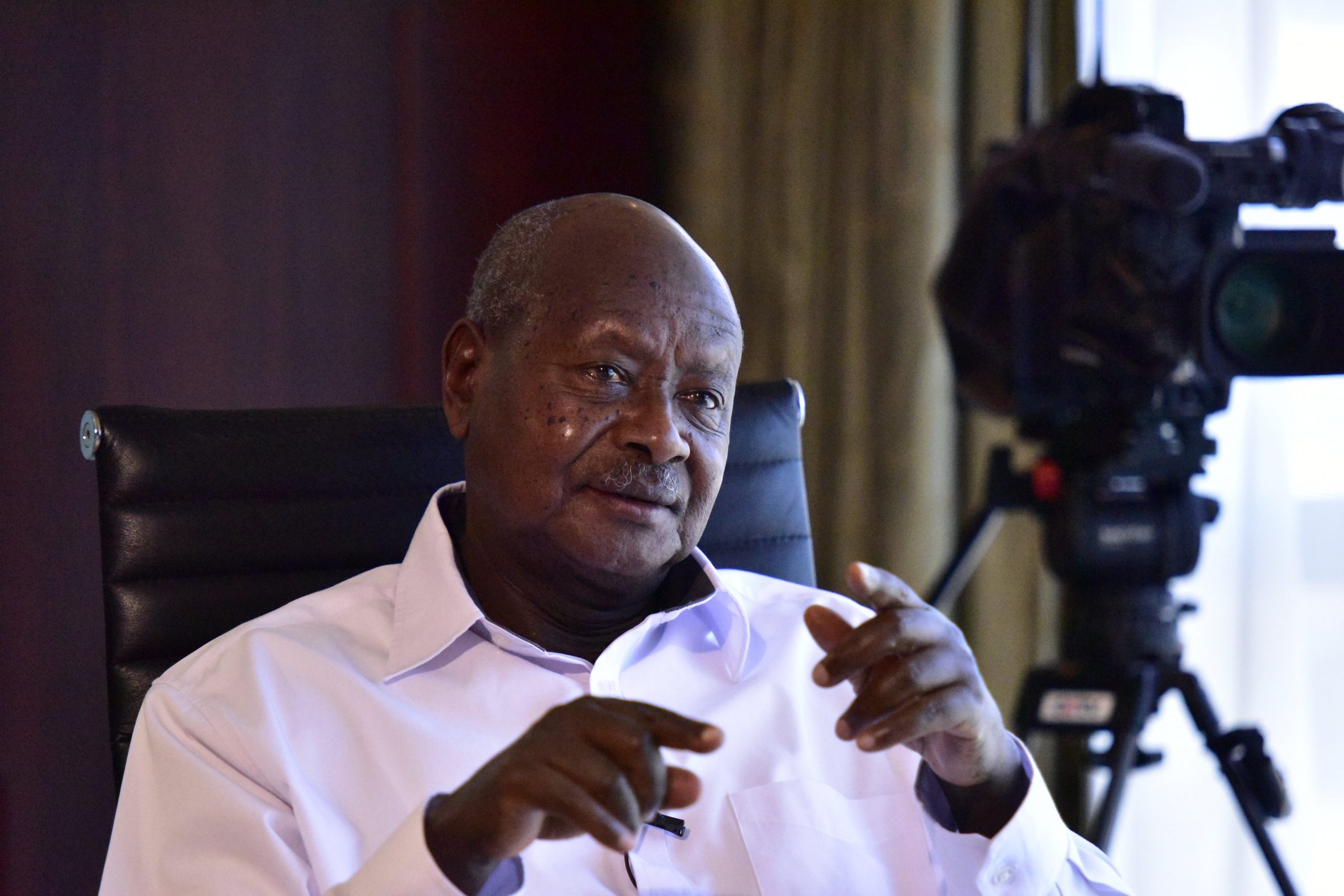
But once the benefits are exhausted, the divisions quickly resurface. This kind of opportunistic unity raises serious questions about priorities and professionalism. Talk about some bit of unity which appeared when some 40 journalists were selected to meet the president in Baralegi State Lodge in February 2025.
The president pledged a mini-bus and shs100 million to support Lango Journalists, but currently how many knows how that money and the mini bus will benefit them.
The emergence of smaller, splinter associations has only deepened the crisis. Rather than strengthening the media landscape, these groups often serve narrow interests.
In some cases, they are perceived as vehicles for soliciting financial support from local politicians, further blurring the line between journalism and personal gain.
This not only undermines credibility but also erodes public trust, arguably the most valuable asset any journalist can have. Journalism is not merely a job; it is a public trust. When journalists are divided, the communities they serve are the ultimate losers.
A fragmented press cannot effectively hold leaders accountable, amplify marginalised voices, or provide balanced and reliable information. Instead, it becomes vulnerable to manipulation, influence, and loss of independence.
The situation in Lango calls for urgent reflection and reform. Journalists must rise above personal differences and rediscover the shared mission that binds them.
Professional associations, if they are to exist, should be built on principles of ethics, accountability, and collective growth, not short-term financial interests.
Leaders within the media fraternity must take responsibility for fostering dialogue, resolving conflicts, and promoting a culture of mutual respect.
Unity does not mean the absence of disagreement. Healthy debate is essential in any profession but it must be guided by a commitment to the greater good, not individual egos or material gain.
Lango’s journalists have the numbers, the platforms, and the potential to shape public discourse in meaningful ways.
What they lack is a unified vision. Until that changes, their collective voice will remain diluted, loud, perhaps, but not strong.
The time has come for introspection. The question is whether the journalists of Lango are willing to answer it.
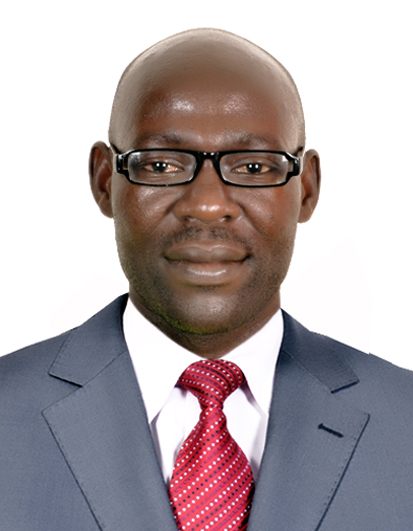
The writer Santo Ojok is a freelance journalist.
Discover more from tndNews, Uganda
Subscribe to get the latest posts sent to your email.