Lamwo district is steadily emerging as one of Northern Uganda’s growing coffee-producing areas, with district leaders and farmer groups intensifying efforts to promote coffee farming as a pathway to improved household incomes, food security, and economic transformation.
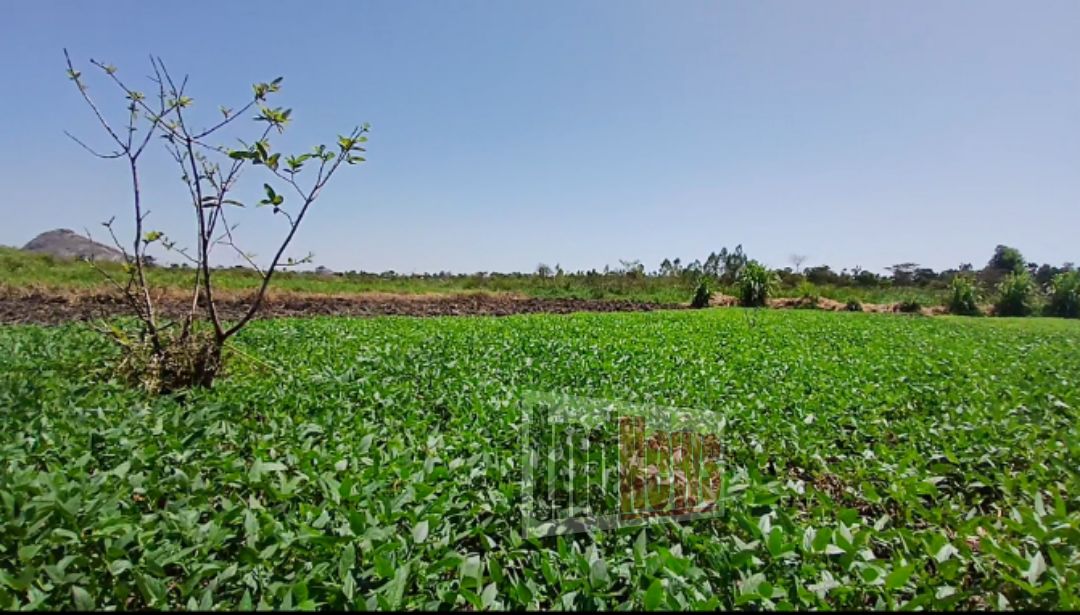
Across communities in Padibe sub-county and other parts of the district, coffee gardens are expanding as more farmers embrace the crop as an alternative source of livelihood amid persistent agricultural challenges.
District officials say the progress is part of broader interventions aimed at strengthening production and marketing while improving farmer support services.
According to Justine Peace Odur, the secretary production, marketing and national resources lamwo district local government, the district has registered significant achievements in promoting coffee and tea enterprises despite limited resources and staffing gaps within the agricultural extension sector.
“We are encouraging communities to embrace coffee growing because it has the potential to improve household incomes and reduce poverty among families,” Odur said. “As a district, we are committed to supporting farmers through mobilisation, extension services, and improved infrastructure.”
Odur noted that the district is also making progress in infrastructure development to support agricultural activities.
She revealed that procurement processes are in final stages for the planning and construction of a 15-kilometre community access road connecting parts of Acheba sub-county and Padibe town council, with compensation lists for affected residents already submitted.
However, despite the gains, Lamwo continues to face major setbacks affecting agricultural productivity.
Odur cited a 32 per cent staffing gap among extension workers, counterfeit agricultural inputs on the market, weather-related disasters, low production levels, and poor prices for agricultural products as some of the key challenges frustrating farmers.
She said the district has recommended increased wage allocation to recruit more agricultural extension workers and strengthen farmer support services across communities.
At the grassroots level, farmer groups are already witnessing positive results from coffee farming initiatives.
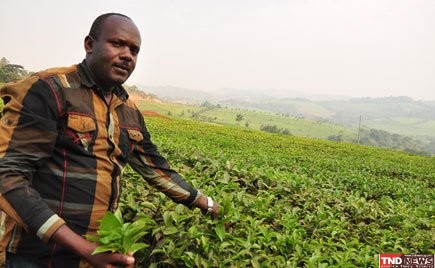
At Padibe Coffee Growers, farmers are showcasing thriving coffee gardens that are attracting attention from neighboring communities eager to learn about the enterprise.
According to Fedenal Majelan Oola, the publicity member of Padibe coffee growers’ association, the success recorded by farmers in Padibe is a result of proper training, adoption of good agronomic practices, and collective support among growers.
“Many people initially doubted whether coffee could perform well here, but today farmers are seeing the benefits,” Oola said. “We are encouraging more residents to visit our gardens, learn from experienced farmers, and start coffee farming as a long-term investment.”
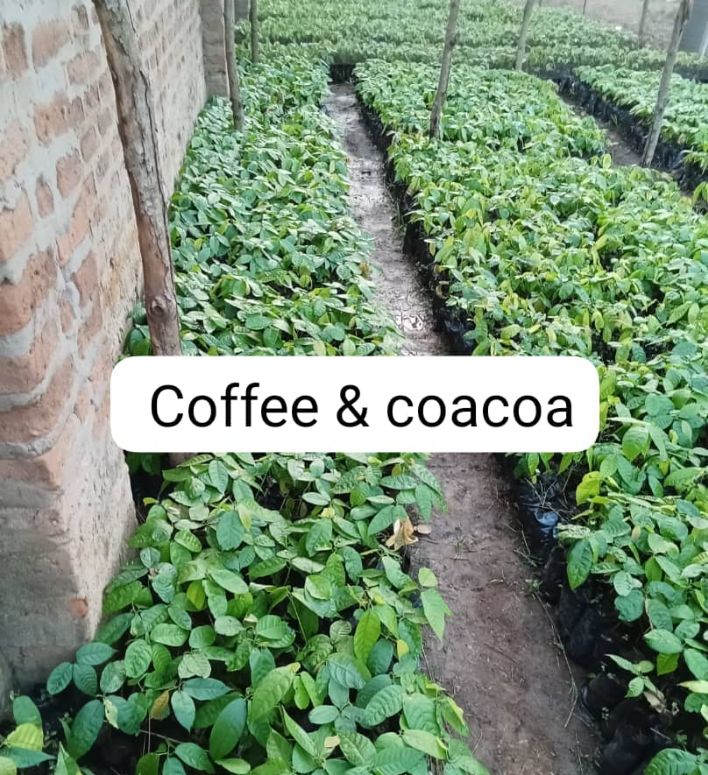
To strengthen farmers’ skills, Padibe Coffee Growers, with support from the Ministry of Agriculture, Animal Industry and Fisheries, have been conducting structured monthly training focusing on nursery establishment, planting, maintenance, family planning, and inclusive participation in farming activities.
The trainings, held at the beginning and end of each month, have helped farmers improve decision-making at household level and better organize labour within families.
“We realised that planning together as families was difficult before,” Oola explained. “But now farmers understand how to make better decisions, manage their gardens, and work together responsibly.”
The sessions also emphasise protection of children from exploitative labour while encouraging safe and light participation in family farming activities.
Meanwhile, Sisto Ocen Oyet, the Lamwo district chairperson described coffee farming as a transformative opportunity capable of changing livelihoods across the district if communities fully embrace it.
“Coffee farming can change the economic status of our people if it is taken seriously,” Ocen said. “We want households to move from subsistence farming to commercial agriculture because that is where sustainable income lies.”
He urged farmers to remain committed to proper farming practices and called on government and development partners to continue supporting agricultural extension services and rural infrastructure.
As coffee farming gains momentum in Lamwo, district leaders and farmer groups remain optimistic that continued investment in training, infrastructure, and farmer support services will strengthen production, improve incomes, and contribute to long-term economic growth in the district.
Discover more from tndNews, Uganda
Subscribe to get the latest posts sent to your email.