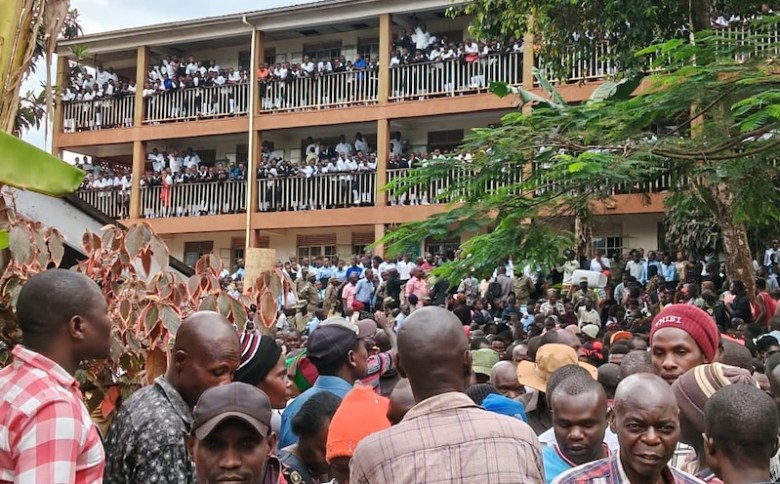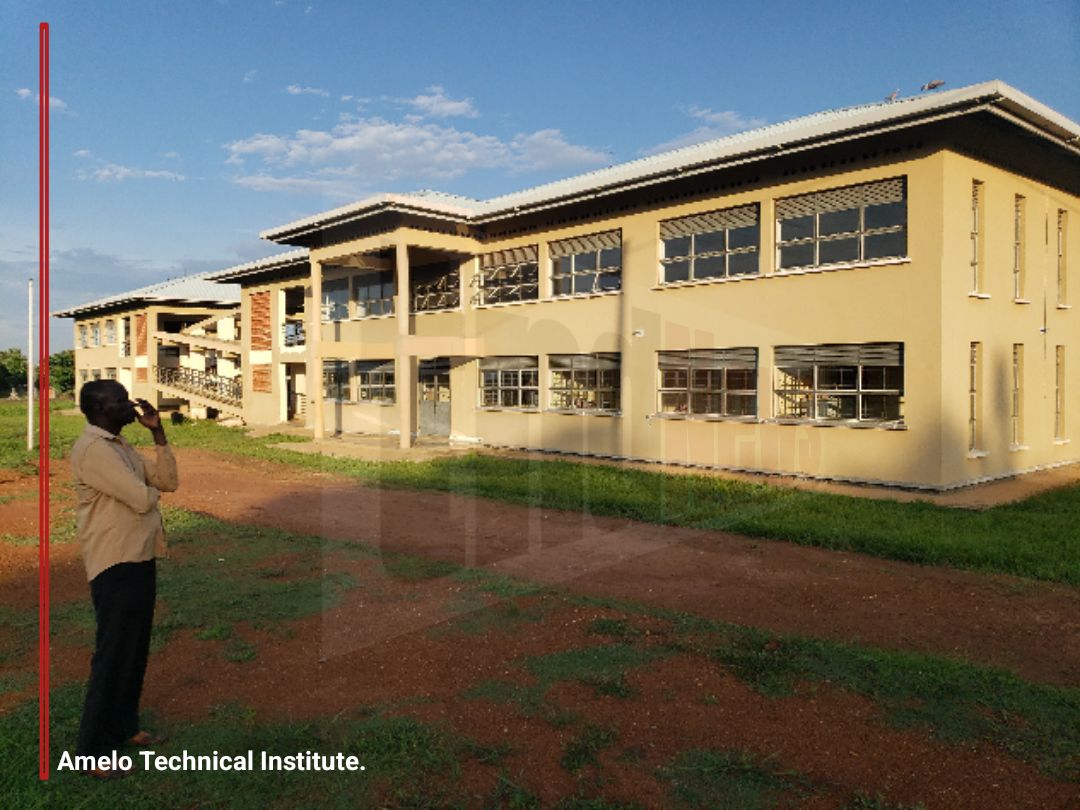
Adjumani | Amelo Technical Institute (ATI) is preparing for a major transformation over the next two years, with an ambitious plan to increase enrolment and improve skill training.
According to the institute’s principal, Akol Bernard, the institute hopes to increase student enrolment from 120 to 250, reaffirming its commitment to expanding educational opportunities.
Bernard recognised the importance of skilled instructors, pointing out that only half of the teaching staff is currently fully trained. The goal is to raise this figure to 90% within two years, ensuring that the institute provides high-quality vocational training.
To encourage community involvement, the principal announced plans to offer training opportunities to residents, with a focus on vulnerable groups such as street boys, bodaboda riders, civil servants, refugees, and unemployed youth.
“Without skills development, we cannot progress,” he emphasized, linking vocational training to economic empowerment and community stability.
As part of its expansion strategy, the institute intends to expand enrolment efforts to regions bordering the Democratic Republic of the Congo and South Sudan, broadening its reach beyond Adjumani. This initiative is consistent with Amelo Technical Institute’s overarching goal of developing a skilled workforce and promoting regional socioeconomic growth.
Community leaders welcome the Initiative
Richard Baru Iga, Chairperson of Adjumani’s Bodaboda Association, praised the skills training initiative, emphasising how it will assist Bodaboda riders and street boys in diversifying their income. He mentioned that 90% of bodaboda riders are school dropouts who were unable to continue their education due to financial constraints.
“During the COVID-19 pandemic, we had 1,740 registered bodaboda riders. That number has now grown to over 3,000, with many street boys joining the trade. Only 5% of bodaboda riders have completed Senior Six, 40% have reached Senior Four, while the majority—60%—never advanced beyond primary school. This program will be a game-changer for them,” Iga stated.
He added that training bodaboda riders and street boys will not only create jobs, but will also help to reduce motorcycle theft and improve security in Adjumani.
Similarly, Joseph Obote Vuonzema, Amelo village’s Local Council One Chairperson, welcomed the development, stating that it is a long-overdue response to community demands.
“Our village has many school dropouts and young mothers without any source of income. Skilling them will empower them to support their families, including paying school fees,” Obote said.
He also reminded the district that when the community donated land to Amelo Technical Institute, it was with the expectation that it would train locals.
“We had agreed that the children of landowners would be prioritized for education and employment opportunities at the institute. Now, with this initiative, we will benefit even more,” he added.
Commitment from the District leadership
Richard Kaijuka, Vice Chairperson of Adjumani District Local Government, confirmed that the institute has kept its promise to support landowners’ children.
“As part of our commitment, we sponsored two students from the community to study at St. Mary Assumpta Secondary School in Adjumani. Moving forward, any additional students from the landowners’ families can apply through the same process, and the board will consider them,” Kaijuka explained.
About Amelo Technical Institute
The Adjumani District Local Government established the Institute in 2014, and it is a vocational training centre accredited by the Uganda Business and Technical Examinations Board and the Directorate of Industrial Training.
It provides a variety of programs, including computer applications, hairdressing, beauty therapy, agriculture, welding, and electrical installation.
As part of Uganda’s overall strategy to close the skills gap, the institute has actively participated in initiatives such as the Development Initiative for Northern Uganda (DINU), which has provided scholarships to agricultural and agribusiness students.
Amelo Technical Institute remains committed to providing youth with practical skills for a sustainable future through continuous innovation and community-driven programs.
Discover more from tndNews, Uganda
Subscribe to get the latest posts sent to your email.