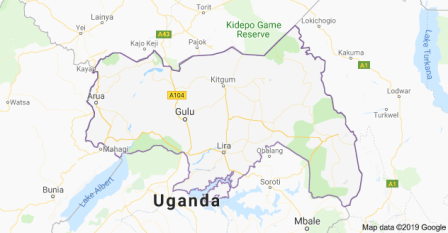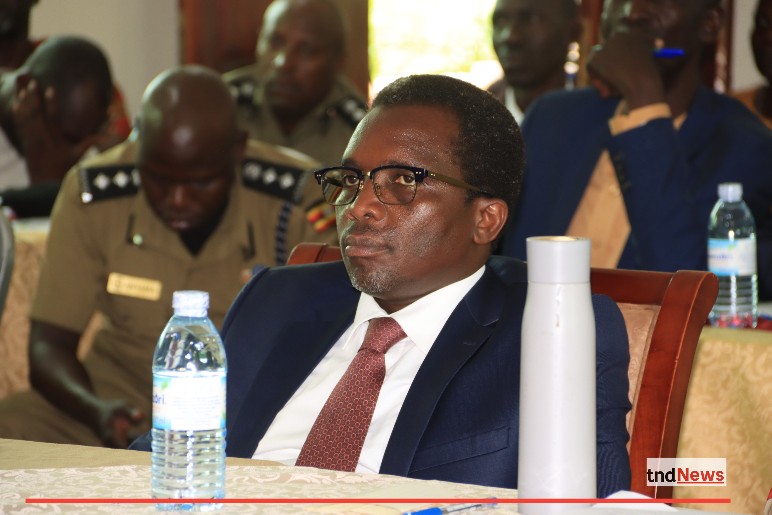
Gulu | Dr. Kenneth Omona, State Minister for northern Uganda, issued a call last week in Gulu City for collective, affirmative action to combat poverty in the north.
Minister Omona made the call while hosting senior government officials, including Prime Minister Robinah Nabbanja, Chief Justice Alfonse Owiny Dollo, Acholi Paramount Chief Rwot Onen Acana II, politicians, and other leaders.
Omona emphasised the importance of investing in education to lift northerners out of poverty, pledging to provide a quality education to every child in the area.
He informed the audience that he had devised a new proactive, affirmative action strategy called “Baraza,” in which each parish chief preaches to the locals about the “giri-giri project” as a means of combating poverty in the region.
“Together, we can overcome any adversity. “My role is to serve you and ensure that northern Uganda rises out of poverty,” the Minister stated.
On the issue of the president’s Executive Order No. 3 on balaalo eviction and commercial charcoal business in northern Uganda, Omona stated that he would work on it as progress is currently slow.
The Northern Uganda Social Action Fund (NUSAF) and the Development Initiative for Northern Uganda (DINU) have both played important roles in addressing socioeconomic disparities following nearly two decades of conflict.
“It appears that our people are not getting enough benefits. We should revise because we have the most desire.”
The Minister chastised and warned some people for using the State House name to threaten RDCs and RCCs while they work in the region. “This must stop because it creates fear to work and affects leaders’ performance.”
Also read:
- “Our Land, Our Future”: LEMU’s message for World Environment Day
- Gulu private health centres grapple with high waste disposal costs
- Lira district localises national women’s peace and security agenda
“They are acting as if they are the appointing authority, not respecting any one’s position in the office,” said Omona, who previously served as the President’s PPS before being appointed Minister.
Acholi Paramount Chief David Onen Acana II stated that Dr. Omona’s appointment coincides with a period of poor performance in the north, necessitating a significant shift in locals’ attitudes towards development and environmental degradation.
Acana advised the Minister to keep the door open for all Acholi people to submit development proposals as a means of combating poverty in Acholi.
He also pointed out that the government’s use of power to expand government land in Acholi, such as Apaa and Aswa ranche, raises a silent question.
“What has pained our locals is the Ministry’s research, which shows that we have only 21% of the oil in Acholi, despite the fact that Prof Ogenga’s study indicates that the Acholi sub-region contains the largest mineral, oil,” he said.
Aol Betty Ocan, the interim chairperson of the Acholi Parliamentary Group (APG) and a Gulu City woman Member of Parliament, has requested that a regional commissioner be assigned to the regional office in Gulu.
It will help to promote active work rather than sitting in Kampala.
Aol urged those in positions of responsibility to take affirmative action on Executive Order No. 3. The Order, she claims, is not working as directed by the President.
She advised the Prime Minister to reconsider the Parish Development Model (PDM) and instead use the Village Development Model to ensure that grassroots households benefit from the funds.
From the parish, it has failed to reach grass root (village) people, MP Aol noted.
On the closure of the Karuma Bridge, she urged the government to speed up its reconstruction, stating, “It is lowering our people’s economic income.”
She expressed her complete commitment to collaborating with the Prime Minister’s regional office to bring development to the north. “To combat poverty, however, Acholi leaders may need to band together.”
Alfone Owiny Dollo, the Chief Justice of Uganda, stated that people’s laziness in producing and relying on free resources while still in the IDP camps is the true cause of poverty in Acholi, rather than the decade-long conflict.
Dollo suggested that the Acholi start behaving differently than they had in the past. He called on parents to start influencing their kids’ perspectives on development at a younger age.
In order to sustain a 10% annual growth rate in production, technology, and entrepreneurship, Dollo said the area needed to utilise 10% of its potential.
In order to increase the volume of work at the regional office, Prime Minister Nabbanja gave commissioners instructions to open offices in the region starting in June.
According to the PM, her office is ready to offer the area all the assistance it will need for future growth. “We will focus and allocate funds for locals in order to boost social economic transformation at the grassroots (household) levels in the coming years.”
Nabbanja’s speech resonated with the audience, especially when she described affirmative action programmes designed specifically for Northern Uganda.
“NUSAF 4, which is about to launch, will continue to focus on critical areas such as infrastructure, health, and education in the north,” Nabbanja said.
These programmes seek to empower the people of northern Uganda by providing them with the resources they need to rebuild their lives.
“Today, we celebrate our Minister’s return, but we also encourage the community to unite around a common purpose and vision. “The journey ahead is long, but with unity and dedication, we will make significant progress,” Nabbanja said.
Discover more from tndNews, Uganda
Subscribe to get the latest posts sent to your email.