Gulu | A sprawling seven-acre plot of land in Agwee ward, Pece-Laroo Division, is testament to a staggering failure in public project management.
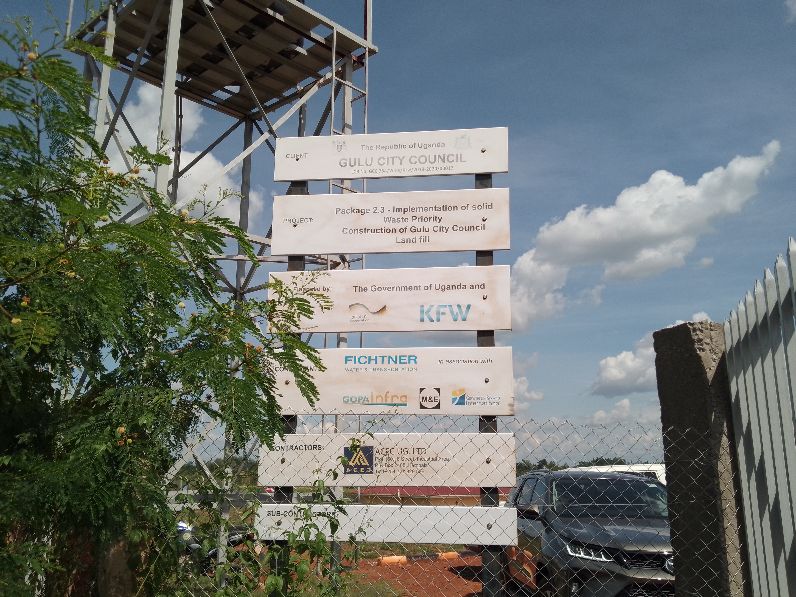
More than shs4.7 billion has been “buried” in the ground there, a multibillion-shilling investment from the German government channeled through GIZ and KFW that was supposed to be a modern waste management landfill.
Intended to process over 137 tons of waste daily, the project remains a barren, incomplete site six years after it began.
The project, awarded to Geomax Engineering Company Limited with supervision from FICHTNER Waste and Transportation, was scheduled for completion in just eight months.
Report indicates that the site was handed over to the contractors by Gulu City Council on May 26, 2021, with a December 2021 deadline, but the site now stands as a symbol of civic and bureaucratic failure.
However, contractors blame lack of funding and heavy rains for the delay, but for the citizens of Gulu, these excuses ring hollow against the millions of shillings already spent.
The core promise of the landfill was ambitious: to reduce groundwater pollution by 65%, revolutionize garbage management, and even boost the energy sector by recycling waste.
However, a recent high-level inspection by the National Environmental Management Authority (NEMA) has exposed a plan that is fundamentally flawed and shortsighted.
NEMA: A ‘short-term plan’ destined for disaster
NEMA’s regional environmental inspection team found that the Gulu city landfill plan was designed as a short-term fix, not a long-term, sustainable solution and this critical flaw has driven them to recommend the council repurpose the plan entirely.
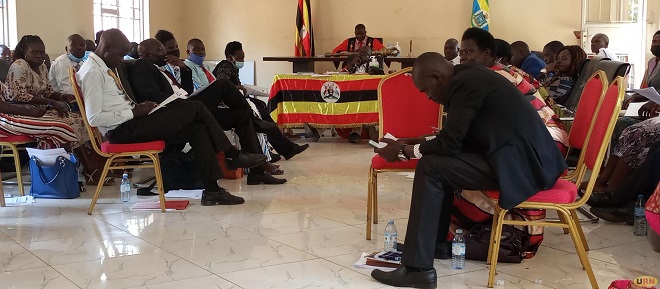
Barrage Akankwasah, NEMA’s Executive Director, strongly criticized the city council for ignoring the authority’s earlier guidance.
He highlighted the immediate risk of health complications for the 500 residents living a mere 500 meters from the site and warned that within five years, the landfill could become a source of severe pollution and community conflict.
“This is an accountability issue,” Akankwasah stated. “This is an accountability issue and the government is focused on balancing economic benefits with environmental protection and community health,” Akankwasah stated.
Adding that “our mandate is to evaluate the social impact. If the impact cannot be mitigated, we do not recommend the development and this project’s current design is not just an environmental hazard; it is a gross mismanagement of public funds.”
He advised the city council to enforce zoning regulations and provide better technical oversight, urging them to prioritize projects that deliver genuine economic value to locals rather than fueling environmental damage and public health risks.
Professor Okot James Okumu, Chairman of the NEMA Board, also slammed the project’s lack of foresight.
He pointed out the inherent danger of relying on manual labor to sort waste, calling it a risk to the health of workers.
“A project of this magnitude cannot function without machinery,” he said.
“You have to rethink this plan and if it remains a simple dumping site, Gulu will face the same complications as the Kigezi region, with zero economic value,” he added.
He directed city officials to redesign the site into a repurposing facility that can extract value from bio-products, or even a medical hazards access treatment center, which would reduce transportation costs for hazardous waste.
He further advised the council to learn from successful projects in other regions to avoid the risk of donor funding being withdrawn due to poor planning.
City officials on the defensive
Facing mounting scrutiny, Gulu city officials attempted to defend their position and outline a path forward.
Rubanga Michael, the city’s Health Inspector in charge of waste management, acknowledged NEMA’s recommendations.
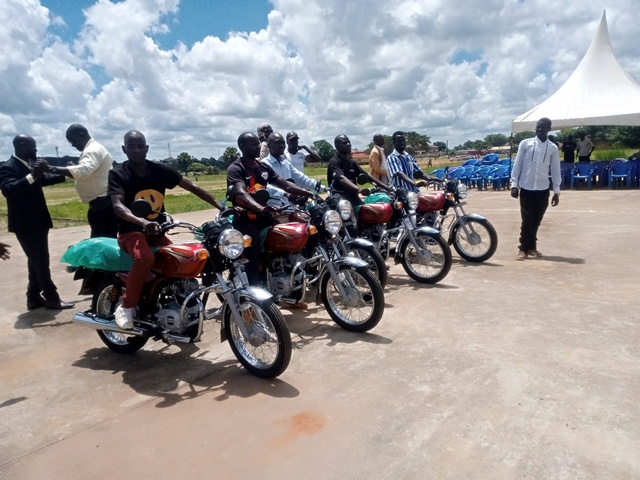
He highlighted plans for community sensitisation and a pilot program in the Bardege-Layibi division, where private contractors will collect waste from households at shs7,000 per household.
However, Rubanga’s response underscored the underlying problem noting that the city is still awaiting funds from USMID II to complete the very project that has already consumed shs4.7 billion.
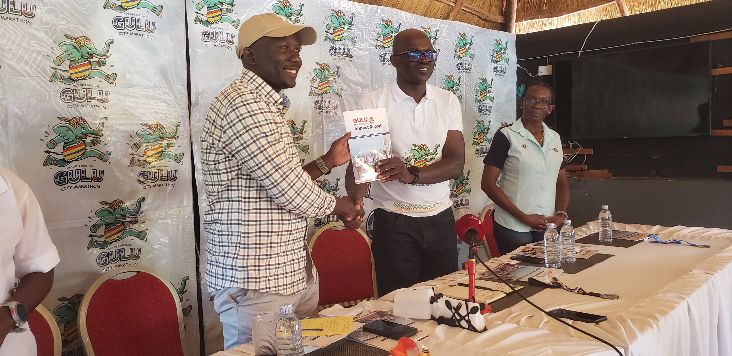
Christopher Michael Ocan, the Gulu City Environmental Officer, provided a more innovative vision, detailing a partnership with Gulu University funded by Denmark to build a “living laboratory.”
“This lab would convert waste into usable products and produce Black Soldier flies for poultry feed and he also mentioned the “STIR” initiative to reduce biodegradable waste,” he revealed.
However, these plans do little to address the immediate accountability questions while for now, the city relies on a 20-acre site at Layik village for crude, traditional dumping, while the “modern” landfill remains a hole in the ground.
In 2008, a World Bank-funded shs2.5 billion garbage recycling plant in Loro Division also stalled due to what NEMA called a “miscalculation” of the project.
A 2020 report from Gulu City Council’s Health Department paints a grim picture of the city’s capacity.
Only 40% of the 137 tons of solid waste produced daily is collected, with the city relying on just one functional garbage truck.
Further, the composition of the waste 76% biodegradable, 5% plastic, 3% metal, 7% polythene, and 9% demolition debris highlights the immense potential that is being squandered.
Six years and shs4.7 billion later, the people of Gulu have little to show for this investment but a half-finished site and a litany of excuses.
Therefore, the failure of the “Agwee ward” landfill project is not merely a logistical failure; it is a profound failure of public accountability.
Discover more from tndNews, Uganda
Subscribe to get the latest posts sent to your email.