A local government leader in Amolatar district has issued a stark warning to the new ministers of local government.
Ministers Balaam Barugahara and Justine Namere have been guided to look beyond superficial reports and confront the deep-seated corruption and systemic failures crippling service delivery in Uganda’s districts.
Okao Kizito, the LC5 councillor representing Agikdak sub-county offered this guidance, arguing that the government’s efforts are being systematically undermined by a network of local officials who collude to cover up the non-performance of critical projects.
While commending Balaam and Namere for their hands-on approach, Okao cautioned that their current tours are creating “panic and intimidations” among minor officials, while the masterminds of fraud remain untouched.
He argues that the root cause of the problem lies in the failure of key oversight offices to do their jobs.
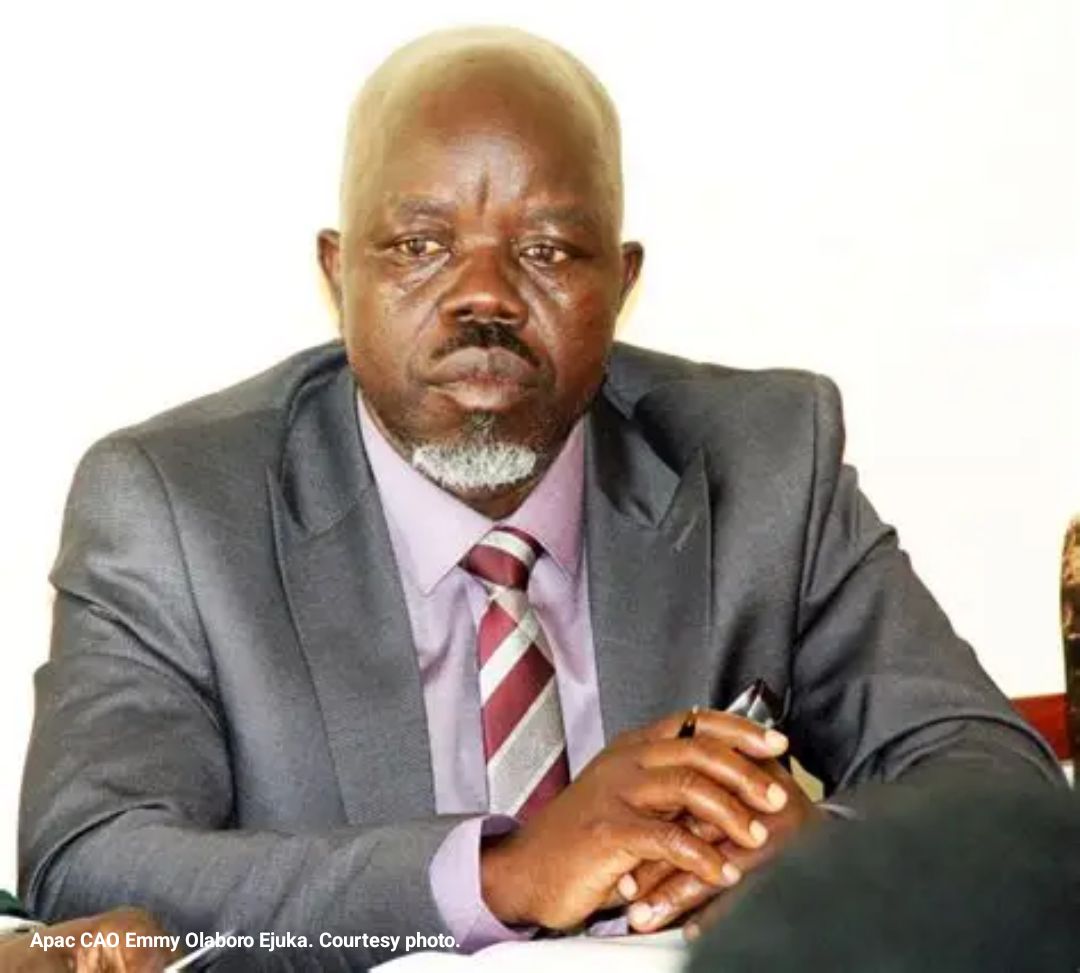
In his petition, Okao directly implicates high-ranking district officers—including the Resident District Commissioner (RDC), the District Internal Security Officer (DISO), and the Chief Administrative Officer (CAO)—in the mismanagement of government funds.
“How would you leave the RDC and DISO when they’re supposed to do monitoring and make reports?” Okao challenged the ministers.
He insists that these officers are constitutionally mandated to verify and commission all government capital projects.
However, he alleges that they instead “connive and make good reports to your offices in Kampala when in the actual sense there’s nothing done on ground.”
This assertion aligns with concerns raised by the Permanent Secretary in the Office of the President Yunus Kakande, who cautioned RDCs against relying solely on reports from CAOs, emphasising their critical role as a link between the central government and local authorities, a duty many are reportedly neglecting.
Beyond project monitoring, Okao has raised the alarm over the integrity of the recruitment system within local governments. He cites a troubling trend where senior officers are sidelined in favor of junior staffers who are more “loyal to give kick back to the appointing authority.”
“You find that the chief administrative officer is employing a junior officer to head the department when the senior is also there, which kills service delivery,” Okao stated.
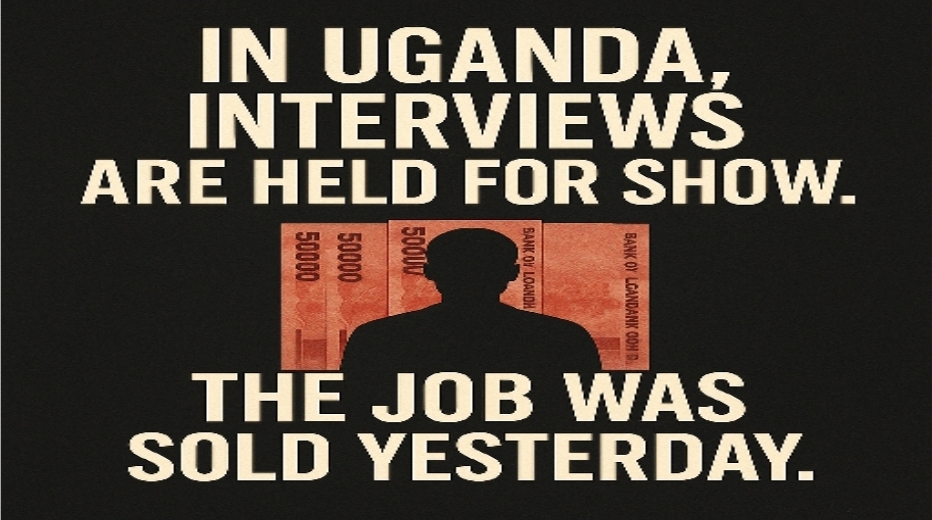
This practice, which he says compromises the quality of personnel in various districts, is a symptom of a national sickness in public service recruitment—a problem that has been repeatedly exposed by the Inspectorate of Government, which recently revealed that over 130,000 civil servants may have bribed their way into office.
Okao’s message to the new ministers is clear: hold the “appointing officers” accountable.
“Hon Minister, it’s my prayer that you move and tour all districts, gather all its information, and handle the appointing officers who make reports that works are done when nothing is done, so that tomorrow they will be the ones to show examples,” he pleaded.
His concerns come at a time when President Museveni has publicly praised the new local government ministers for their “cantankerous” reputation, expecting them to “quarrel” with corrupt officials and shake up the system.
However, Okao cautions that if the ministers only focus on junior staff like teachers, the systemic rot will persist and “the same errors shall come back.”
By Ronald Alele
Discover more from tndNews, Uganda
Subscribe to get the latest posts sent to your email.