Ms. Achio Irene Okwir, an Administrative Officer at Hashtag Gulu says handling a child who has been exposed to all sorts of violence and drug abuse especially during the Covid times was difficult…
By Ruth Atim
Gulu – July 13, 2022: Oloya Godfrey, 24, is a former street teen. His mother was kidnapped by the Lord’s Resistance Army [LRA] rebels in Northern Uganda, and sexually assaulted, and he was born as a consequence. When she returned from captivity with him, her family was unable to accept him, and he was forced to live on the streets.
Oloya was saved during Covid and brought off the streets by Peter Okwoko and Michael Ojok, two social entrepreneurs who give hope to street-connected youngsters. Through their Hashtag Gulu project, these two young men have effectively removed 20 teens and children off the streets of Gulu City, reintegrated some with their families, and trained others in technical skills.
Oloya is one of the few who is receiving hand-skill instruction. He wants to be a hairdresser, so that’s what he’s studying.
When asked how life was on the streets, Oloya exhaled deeply and replied, “Terrible.” “The street is very dangerous; it’s survival of the fittest; I would collect empty water bottles and sell them; I would sleep on verandas covered with sacks or boxes; it’s even worse when it rains; some of us get sick with no one to look up to; you have to steal to survive,” Oloya painfully narrates.
On a Thursday, he learned that some gentlemen were searching for young people who want to acquire hand skills, and that’s how he met Peter and Michael, and he was picked up by hashtag. Oloya adores his newfound talent and has mastered a variety of hairstyles such as locking dreads, plaiting pencil, and bantu knots. His other eight pals left hairdressing to work in the carpentry and concrete practice department.

Atim Oliver, a 19-year-old woman, was also rescued from the streets by Peter and Michael. She opted to come live with her two friends who were already on the street after her mother died and her father married another lady. They all joined Hashtag through a referral from one of their friends who was already a beneficiary.
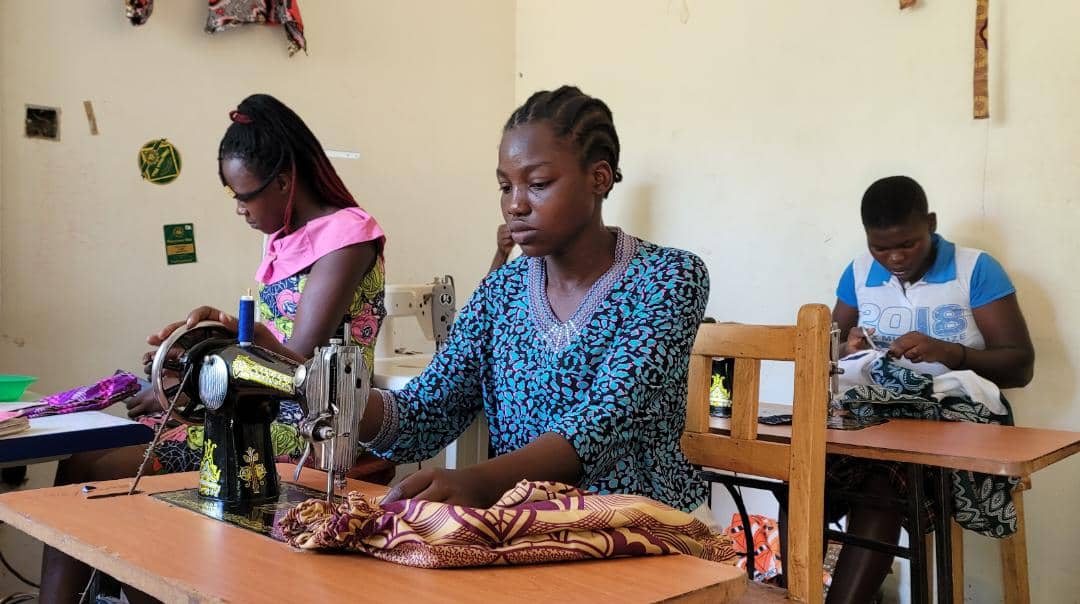
“My pals do tailoring while I study how to do hair. My life had been a living nightmare because of the ongoing challenges and sexual assault, but I am now seeing light at the end of the tunnel since we are being taught how to live and skill for the future.” Atim says.
Once on the streets, children and teens usually live-in areas of great poverty, unable to obtain basic services.
According to a study conducted by the Consortium for Street Children, forced eviction accounts for 20% of children becoming street linked. However, some typical reasons include cruelty at home (26.4%), poverty (25.7%), and the death of parents or guardians (17%).
Furthermore, at 19 percent, increased urbanization, which comes with an inflated cost of living that is out of reach for impoverished families, drives children to the streets.
Hashtag’s crew visits the field more frequently to organize more prospective beneficiaries, but some come because they have run out of alternatives and decide to join the hashtag. Some beneficiaries also assist in the introduction of additional street kids, in addition to recommendations from stakeholders such as the police and community members.
Ms. Achio Irene Okwir, an Administrative Officer at Hashtag Gulu says handling a child who has been exposed to all sorts of violence and drug abuse especially during the Covid times was difficult, so for the hashtag to win the trust of these children, she had this to say: “We had to be honest with the youth/children from the start, make them part of the initiatives at the skilling center and make them own it. We ask them questions like, what do you want, and how best can we make it better for you.”
She attributes their success to the transparency that they have with the children. But there is always a legal concern especially when working with children.
But Irene says Hashtag is part of a GBV and child protection working group at the city level, comprising of legal partners, judiciary, and police with specific to the family and child protection unit, and all this has eased the legal pressure on their end.
Genesis of HashTag
Hashtag Gulu began in 2018 in reaction to the hardship of Gulu City’s street-connected youngsters. The idea came from a Facebook post by co-founder Ayella Collins (RIP) describing the difficult conditions that street-connected adolescents face at night.
His post focused on the bad condition of the youngsters’ overnight accommodations. “Most of them sleep beneath verandahs with barely any covers to keep them warm,” says Peter, one of Hashtag Gulu’s co-founders.
According to Peter, the pandemic began just as they were completing planning to establish a temporary facility for street-connected adolescents. “The fact that the street-linked adolescents were at high risk of contracting Covid-19 as a result of their disorganized movements throughout the city provided us even more grounds to establish a facility that could house more than 100 street-connected youth. With a shelter in place, we now have another chance to provide skills training and counseling to these linked youngsters,” he says.
With the help of like-minded persons, Peter and Michael were able to purchase land in Paicho sub-county, approximately 25 kilometers from Gulu city, and establish a house that is presently housing numerous children who were taken off the streets.

According to Peter, many of the children who have been rescued from the streets are now involved in income-generating activities. While some are farming, many are employing the skills they learned at # Gulu in a variety of settings. Carpentry, tailoring, bricklaying, and concrete practice are examples of such talents. They are now able to sustain themselves and their families as a result of such commitments. “Many of these youngsters have restored the community’s confidence,” Peter observes.
Peter attributed the children’s aggressiveness to a variety of factors, including drug addiction and poor communication skills displayed by community members while dealing with them.
“Over time, our staff has developed expertise in many techniques of working with children. Furthermore, we collaborate with counseling service providers to assist individuals in recovering from trauma and becoming better members of the community,” he added.
The therapy sessions are personalized and they have collaborated with health-based NGOs to provide psychological support, trauma counseling, and sexual health information that has helped them to broaden their work scope and reach numerous street-connected children and youth.
This publication was produced with the financial support of the European Union. Its contents are the sole responsibility of Ruth Atim and do not necessarily reflect the views of the European Union.
Discover more from tndNews, Uganda
Subscribe to get the latest posts sent to your email.