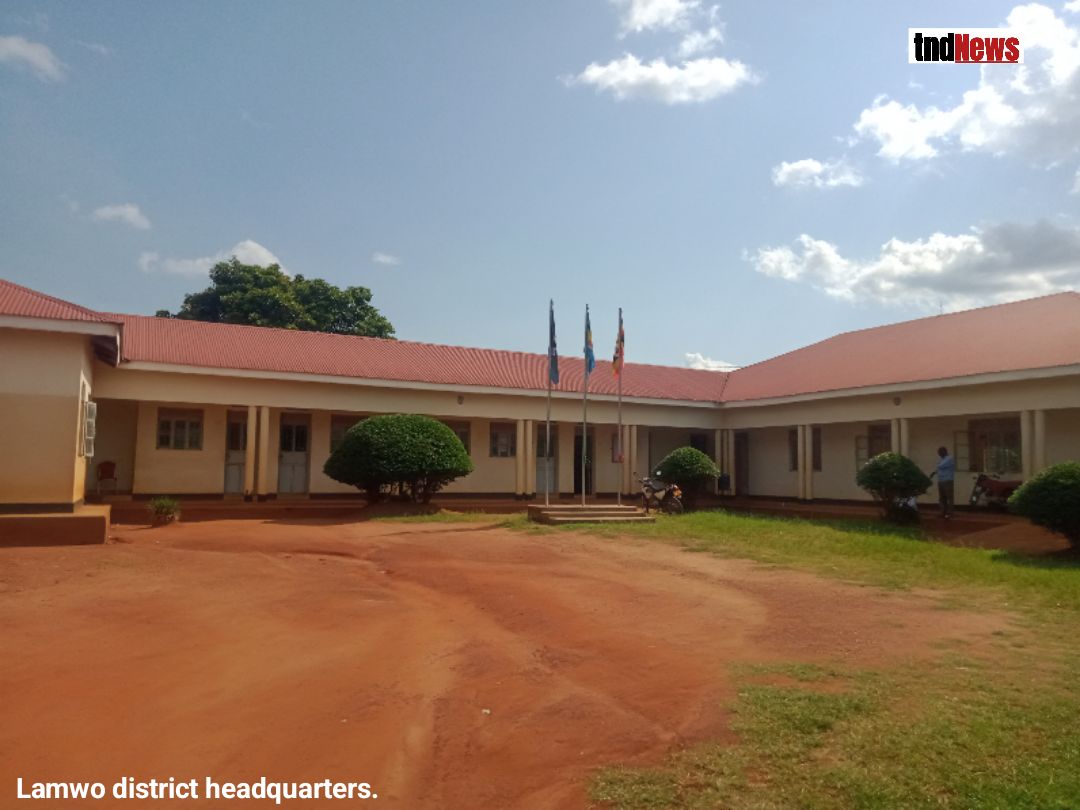
Lamwo | A worsening drought has claimed eight lives and left 126 people hospitalised with hunger-related illnesses in Lamwo district, prompting local leaders to appeal for urgent government intervention to avert a deepening humanitarian crisis.
The alarming figures were revealed by Lamwo district LC5 chairperson Oyet Sisto Ocen during a press conference convened by the Acholi Local Government Leaders Forum in Gulu City, where district leaders outlined the growing impact of prolonged dry conditions across the Acholi sub-region.
Ocen described the situation as a humanitarian emergency, saying months of failed rainfall had destroyed crops before maturity, leaving thousands of households without food and exposing vulnerable families to severe hunger.
“As I talk right now, we have so far registered eight people who have lost their lives due to hunger, and in the various health centres, we have 126 patients who are sick just because of hunger,” Ocen said.
He warned that the district could record more deaths unless immediate humanitarian assistance is provided. “This means we are in a very serious state of emergency. People have just started dying, and more will die because these crops will not mature,” he added.
According to Ocen, several children suffering from severe acute malnutrition have been referred to a nutrition treatment centre in Labworomor, where humanitarian organisations are managing the most critical cases.
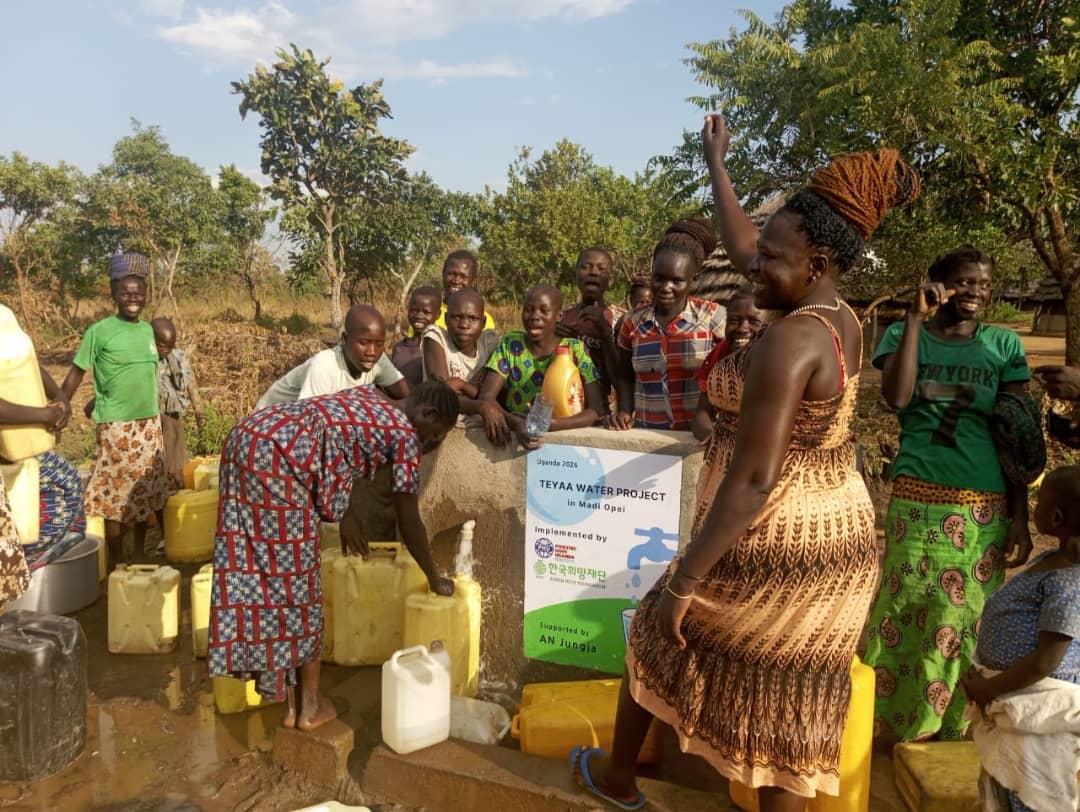
He said the drought has forced some residents from severely affected areas, including Madi Opei sub-county, to leave their homes in search of places that received better rainfall, although much of the Acholi sub-region has experienced similar weather conditions.
Beyond emergency food aid, Ocen appealed to the Government to provide planting seeds to enable affected communities to recover when the rains return.
“Our voice to the government is that we need food relief for all the districts of Acholi. We also need seeds so that when the rains come, our people can plant again,” he said.
He explained that because most farmers harvested little or nothing during the first planting season, many households have no seed reserves for the next crop.
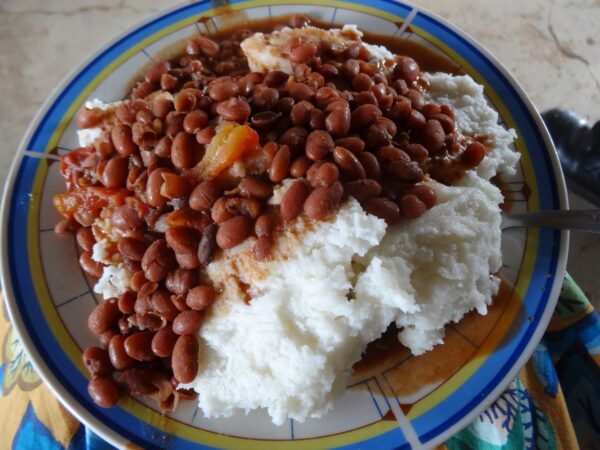
The district chairperson also raised concern over soaring food prices, noting that maize, the region’s staple food, has become unaffordable for many families.
“Maize used to cost about shs400 per kilogram, but now it is selling at around shs1,400 per kilogram, which many people cannot afford,” Ocen said.
He further warned that while rains appear to be approaching, forecasts associated with the El Niño weather pattern suggest they could arrive as heavy downpours capable of causing floods, creating yet another challenge for already vulnerable communities.
Across Lamwo district, many households have exhausted their food stocks following widespread crop failure. Grace Acayo, a mother of five from Katum sub-county, said her family’s maize and bean gardens dried up before harvest.
“We planted with hope, but everything dried before harvest. Now we survive on one meal a day, and sometimes the children sleep hungry because there is no food,” she said.
Ongaya Peter, a farmer from Padibe East sub-county, said the drought had not only destroyed food crops but also wiped-out seed reserves needed for the next planting season.
“Normally we keep part of our harvest as seed, but this year there is nothing left. Even if the rains come tomorrow, many farmers have nothing to plant unless they receive assistance,” he said.
Health workers say the impact is becoming increasingly visible in local health facilities. Akello Florence, a Village Health Team member, said cases of malnutrition among children and elderly people have increased significantly in recent weeks.
“We are seeing more children with signs of severe malnutrition and older people becoming weak because they are not getting enough food. The situation requires urgent intervention,” she said.
Agriculture is the primary source of livelihood for most households in Lamwo, with communities relying almost entirely on seasonal rainfall to cultivate maize, beans, simsim, sorghum and groundnuts.
Experts say increasingly erratic weather linked to climate change is making farming less predictable, exposing rural communities to repeated cycles of drought, crop failure and hunger.
While emergency food relief remains an immediate priority, development practitioners argue that long-term investment in irrigation, water harvesting, drought-tolerant seed varieties, agricultural extension services and climate-smart farming will be essential to strengthen resilience against future climate shocks.
Also read: Acholi leaders’ push against food insecurity and environmental degradation
As the hunger crisis unfolds, leaders across the Acholi sub-region are urging the government to respond swiftly with both humanitarian assistance and agricultural recovery support.
For thousands of families in Lamwo, the coming weeks will determine whether emergency intervention can prevent further loss of life and help communities rebuild after one of the district’s most devastating droughts in recent years.
Discover more from tndNews, Uganda
Subscribe to get the latest posts sent to your email.