A comprehensive inspection by the Directorate of Education Standards (DES) has revealed that while government-aided secondary schools in Lamwo district are making significant progress, major gaps remain.
The major gaps are financial accountability, school leadership and learner discipline, inclusive education, teacher preparedness, sanitation, classroom utilisation and infrastructure.
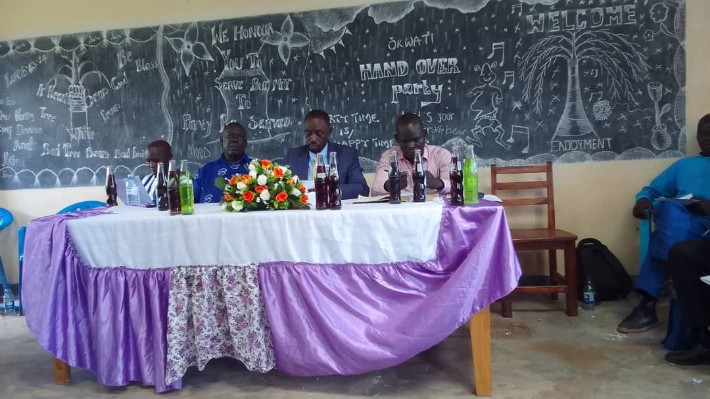
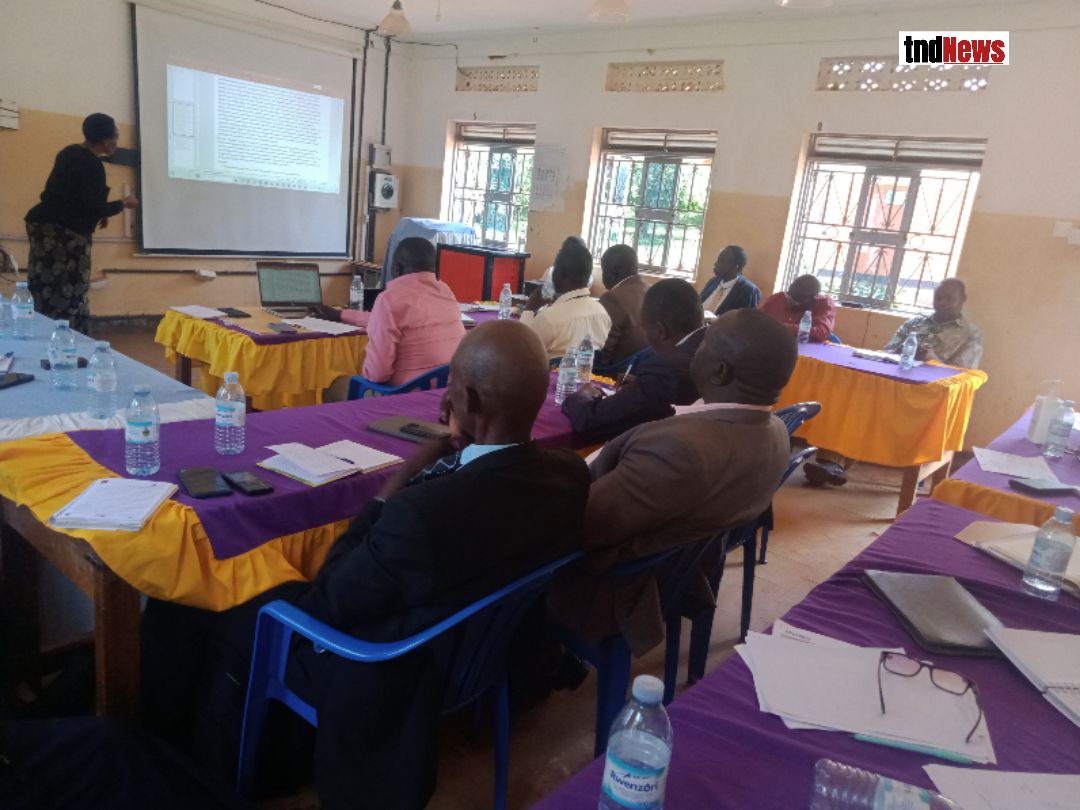
The findings were presented during a district dissemination workshop held at Padibe Girls Comprehensive Secondary School, bringing together district leaders, officials from the Ministry of Education and Sports, school administrators, Boards of Governors, inspectors of schools and development partners.
The inspection was conducted in April 2026 by the Directorate of Education Standards with support from Enabel, the Belgian Development Agency, under the European Union-funded WeLearn WeTeach (WLWT) Project, which is being implemented in partnership with the Ministry of Education and Sports to improve the quality of secondary education in districts in Northern Uganda including Lamwo.
The assessment covered government-aided secondary schools supported under the project, including Padibe Girls Comprehensive Secondary School, Padibe Secondary School, St. Mary’s Madi Opei Secondary School, Lokung Secondary School, Paloga Seed Secondary School and Palabek Secondary School.
Inspectors assessed school leadership and governance, teaching and learning, teacher performance, learner attendance, financial management, infrastructure, Water, Sanitation and Hygiene (WASH), inclusive education and compliance with national education quality standards.
Presenting the inspection report, Lamwo District Education Officer Banabas Langoya said the exercise was aimed at helping schools identify their strengths and address weaknesses that continue to affect the quality of education.
“The inspection findings are being shared with district leaders, school management committees and head teachers so that together we can improve the quality of education offered in our schools,” Langoya said.
Schools commended for food management
According to the report, inspectors found encouraging progress in several areas, particularly financial accountability, learner discipline and school administration.
Many schools were commended for maintaining proper financial records, demonstrating accountability in the use of public resources and ensuring effective school management despite operating under limited resources.
Inspectors also observed improved discipline among learners and effective leadership from school administrators, factors they said have contributed to stable learning environments in most of the schools visited.
Inclusive education still a major gap
Despite the positive achievements, the report identified inclusive education as one of the weakest areas requiring urgent intervention.
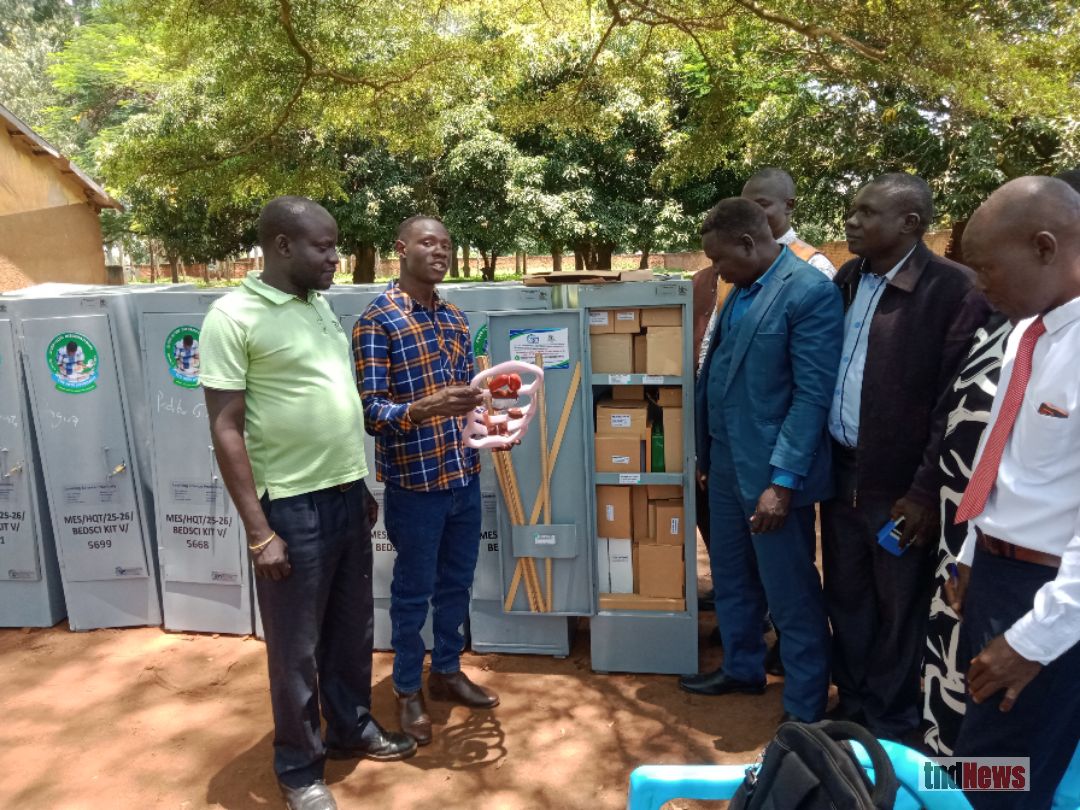
According to Langoya, several schools lack adequate facilities and support systems for learners with disabilities and those with special educational needs.
The inspection recommends that schools improve accessibility, provide appropriate learning materials and strengthen inclusive education policies to ensure every learner has equal opportunities to access quality education.
Education officials noted that improving inclusive education will require investment in teacher training, specialised learning materials and infrastructure that accommodates learners with disabilities.
Poor sanitation facilities affect learning
The inspection also identified serious gaps in Water, Sanitation and Hygiene (WASH) facilities. Inspectors reported that some schools have inadequate latrines and sanitation facilities, creating unhealthy conditions for learners and teachers.
The report warns that poor sanitation negatively affects learner attendance, health and academic performance, particularly among adolescent girls. DES recommended construction of additional latrines, improved access to safe water and strengthened hygiene practices in schools.
Lesson planning and teacher attendance need improvement
Representing the Chief Administrative Officer during the dissemination meeting, Godfrey Oroma said the inspection further revealed weaknesses in lesson planning.
Inspectors found that some teachers conducted lessons without adequately prepared lesson plans, affecting effective lesson delivery and learner engagement.
Oroma urged school administrators to ensure every teacher prepares lesson plans before entering the classroom, saying proper planning improves teaching quality and learner outcomes. The inspection also identified teacher absenteeism as a concern in some schools.
Inspectors recommended strengthening internal supervision systems to ensure teachers regularly report for duty and remain actively engaged in classroom instruction.
According to the report, consistent teacher attendance is essential for improving learner performance and achieving curriculum objectives.
Classroom space reduced by illegal boarding sections
The inspection further established that some schools had converted classrooms into dormitories due to inadequate boarding facilities. Inspectors also found that some schools were operating boarding sections without formal approval from the Ministry of Education and Sports.
The practice has reduced available classroom space and contributed to congestion. DES recommended that schools comply with Ministry regulations governing boarding facilities while district authorities work with development partners to improve school infrastructure.
Schools urged to embrace digital monitoring
Inspectors also highlighted limited use of the TELA digital monitoring system, a platform introduced to strengthen school supervision and accountability.
Langoya urged head teachers to lead implementation of the digital monitoring system, saying effective use of the platform would improve school management, accountability and evidence-based decision-making.
Accountability key to sustaining development support
Speaking during the dissemination workshop, Ronald Ddungu, Principal Education Officer at the Ministry of Education and Sports, warned school leaders that accountability remains critical for sustaining government and donor support.
He said schools receiving financial or infrastructural support must demonstrate measurable results, implement projects effectively and provide timely reports to development partners.
“When you receive support, you must demonstrate results. Have you implemented the project? Have you submitted reports on the challenges? Are you showing what has been achieved and what you plan to do next?
“If we fail to account for the resources entrusted to us, funders may withdraw their support and direct future projects to other districts or regions,” Ddungu said.
He noted that many development interventions have been directed to Northern Uganda because of the region’s unique circumstances, including hosting refugee communities, warning that failure to account for resources could discourage future investment.
Ddungu also encouraged schools to maximise the use of ICT equipment donated by UNICEF, including laptops, projectors and digital screens.
He said schools in Northern Uganda and West Nile are already participating in daily online learning sessions where teachers and learners interact with colleagues from across the country to improve teaching methods and examination performance.
District leadership welcomes findings
Lamwo district chairperson Oyet Sisto Ocen welcomed the inspection findings, describing them as an important roadmap for improving education standards in the district.
He commended Enabel and other education partners for their continued investment in education, noting that their support has helped strengthen school management and improve learning conditions.
Ocen said district leaders had previously undertaken a learning visit to schools in Gulu district to benchmark good education management practices.
He also cited the district’s recent support to a student admitted to university under the government district quota scheme as an example of Lamwo’s commitment to expanding access to education.
Enabel commands schools’ commitment
Akullu Caroline, Institutional Development Officer with Enabel for West Nile and the Acholi sub-regions, said schools have demonstrated commitment to implementing recommendations made by DES inspectors.
She explained that the dissemination exercise forms part of a wider programme covering districts where Enabel operates, including Lamwo, Kitgum, Adjumani, Yumbe and Madi-Okollo.
According to Akullu, presenting inspection findings directly to school leaders enables schools to understand the identified gaps, develop action plans and improve education service delivery.
She also commended Lamwo district leadership for its commitment to following up on the implementation of recommendations arising from the inspection.
The Directorate of Education Standards recommended that schools strengthen inclusive education for learners with special needs, improve Water, Sanitation and Hygiene facilities, ensure teachers prepare lesson plans before every lesson, strengthen monitoring of teacher attendance, regularise boarding facilities, increase use of the TELA digital monitoring system and improve financial accountability and reporting.
Inspectors also called for stronger collaboration between district authorities, school management committees, Boards of Governors and development partners to ensure that recommendations are fully implemented.
Education stakeholders agreed that the inspection should not be viewed as a fault-finding exercise but as an opportunity for continuous improvement.
They expressed optimism that if the recommendations are implemented, Lamwo’s government-aided secondary schools will strengthen governance, improve teaching and learning, promote inclusive education and provide a better learning environment for all students while enhancing overall education outcomes in the district.
Discover more from tndNews, Uganda
Subscribe to get the latest posts sent to your email.