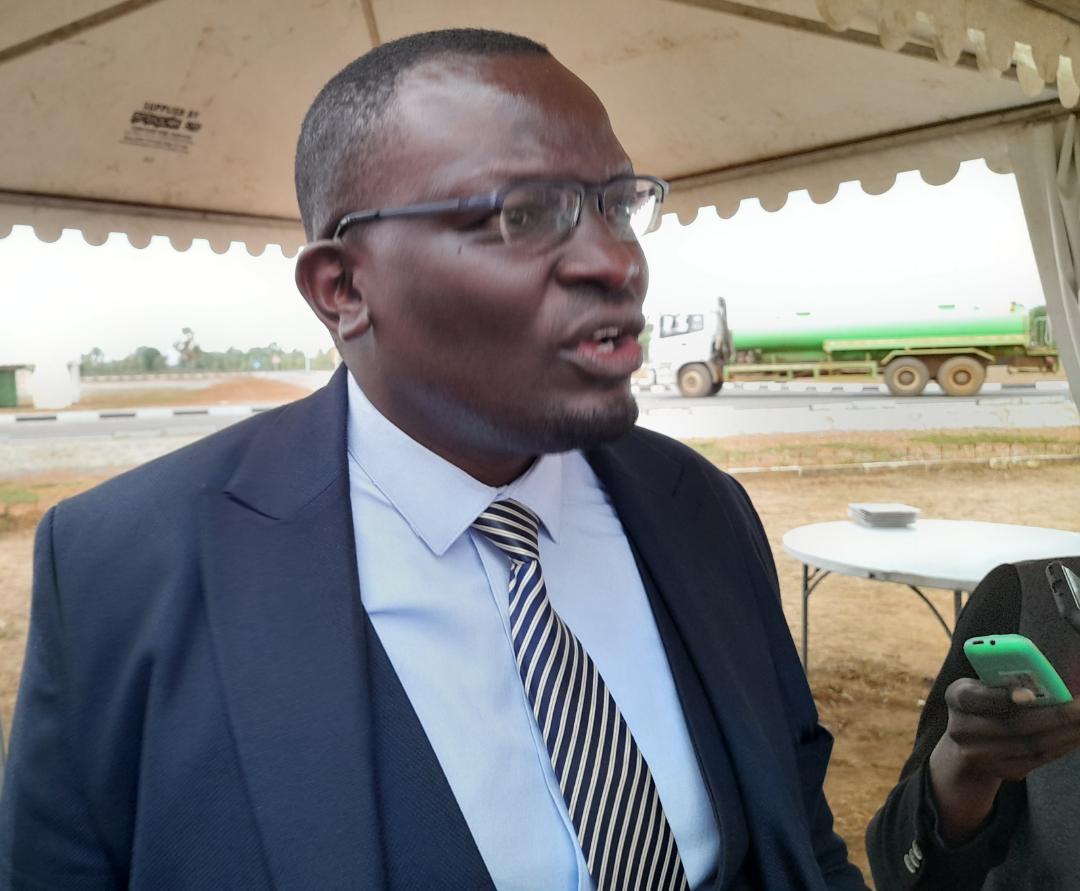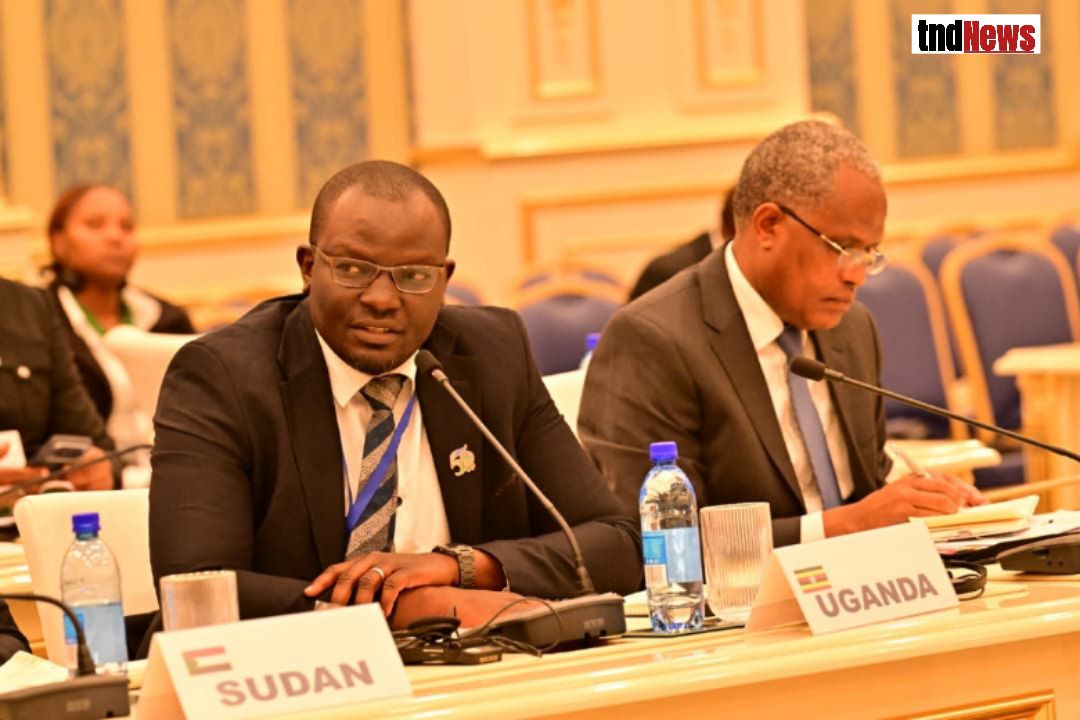
The newly appointed chairperson of the Parliamentary Committee on Science, Technology, and Innovation (STI), Dr. Samuel Opio Acuti, has called for intensified efforts to scale up the impact of STI on national development.
After his approval by Parliament on Tuesday, July 6, 2026, Dr. Acuti outlined several priority sectors within the National Development Plan IV that demand a major focus on research, development, and commercialisation.
Topping the list is agriculture, which contributes approximately 25.6% of Uganda’s Gross Domestic Product (GDP) and employs over 70% of the population.
The Kole North lawmaker emphasised that productivity and quality must be enhanced through innovative technologies, including high-yielding, early-maturing, drought-resistant, and hail-resistant seed varieties, alongside aflatoxin elimination approaches and micro-irrigation technologies.
MP Opio noted that these interventions are critical in addressing climate change challenges, which have shortened rainy seasons and prolonged dry spells. He added that under the Parish Development Model, such technologies must reach every parish and be made accessible to every household.
He stressed the need for Uganda to scale up agro-value addition by transforming raw agricultural produce into higher-value products. These include packaged fortified foods, novel beverages, long-life meat and dairy products developed through preservation technologies, as well as cosmeceuticals and pharmaceuticals.
In the health sector, the MP called for a bio-focused approach to the pathogen economy. Uganda ranks among the top ten most biodiverse countries globally, with approximately 19,000 species, including over 4,500 plants.
This rich biodiversity serves as a vast reservoir of bioactive compounds from which medicinal products can be derived to address the growing burden of both communicable and non-communicable diseases.
He noted that a significant percentage of cancer and malaria drugs, among others, are derived from plants or their derivatives. Uganda possesses the requisite scientists who, if adequately supported within a robust Research and Development (R&D) ecosystem, could revolutionise healthcare.
Dr. Acuti further urged that herbal products developed through such initiatives be recognised and incorporated into the national essential medicines list and government procurement systems for health facilities.
Turning to industry, Dr. Acuti highlighted Uganda’s petrochemical and mineral wealth as a foundation for material science. He observed that while people once planted flowers and Christmas trees, today many such items are manufactured in factories, thanks to advances in material science derived from petrochemicals and minerals.
He called for the development of new technologies and materials for housing and road construction to facilitate an affordable shift from grass-thatched houses and murram roads.
Given the increasing frequency of extreme weather events, he insisted that weather-resistant, long-lasting road designs are no longer optional but an obligation—both to reduce high maintenance costs and to conserve construction materials.
He also noted that gravel sources are depleting, and grass for thatching is becoming scarce.
On mobility, Dr. Acuti pointed out that Uganda’s unique terrain calls for innovative solutions beyond energy-saving electric vehicles. He cited the need for traffic jam mitigation and cost-reduction innovations, noting that the country loses trillions of shillings annually to traffic congestion.
The cost of transport to health facilities in rural Uganda, he says, can sometimes exceed the cost of treatment itself. Persons with Disabilities (PWDs), he added, require better mobility solutions suited to rugged terrains where conventional wheelchairs are inadequate.
He urged that the “Katwe technology” and similar grassroots innovations should not be overlooked but instead be sufficiently supported through tailored innovation programmes for Jua Kali and vocational artisans.
In the ICT sector, Dr. Acuti noted that digital solutions can address many persistent challenges, including corruption in livelihood programmes such as the Parish Development Model (PDM), Emyooga, and livestock restocking.
He also highlighted their potential to curb drug theft in government health facilities, ghost payments, counterfeit products, and human resource absenteeism. He argued that Artificial Intelligence should not be viewed solely as a tool for the private sector but as a powerful weapon against maladministration in public institutions.
To actualise these ambitions, Dr. Acuti emphasized the need to double efforts starting from educational institutions that produce scientists.
Research, he said, must not end with knowledge generation; it should progress to prototype development and ultimately to commercial products. Innovators must also be protected through solid intellectual property rights to safeguard their inventions.
The committee chairperson Dr. Acuti declared that it is time to harness Science, Technology, and Innovation to solve Uganda’s problems.
He underscored that this moment is especially timely, aligning with President Yoweri Museveni’s term of “Kisanja” — a period marked by a no-sleep work ethic.
During the 11th Parliament, Dr. Samuel Opio Acuti served as Vice Chairperson of the Health Committee.
Discover more from tndNews, Uganda
Subscribe to get the latest posts sent to your email.