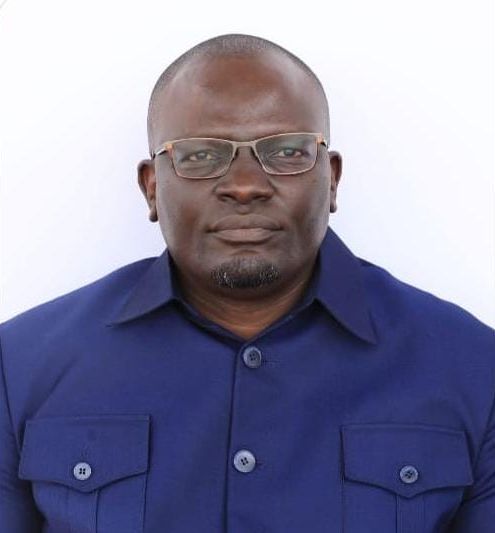
Kole North Member of Parliament, Dr. Samuel Opio Acuti, has raised concerns over the escalating cost of road construction in Uganda.
For years, MP Dr Opio has been voicing his grievances both on the floor of Parliament and during the Physical Infrastructure Committee meeting.
The recent session was chaired by the Minister of Works, Fred Byamukama, and the committee’s chairperson, Mwine Mpaka.
During the meeting held on July 21, 2026, MP Acuti questioned why road projects in Uganda continue to cost significantly more per kilometre than similar projects in neighbouring countries such as Tanzania and Kenya.
He called for a clear explanation regarding the wide cost disparities, specifically citing the Rwenkunye–Apac–Lira–Puranga road.
He noted that while the Rwenkunye–Apac section is being constructed at shs3.7 billion per kilometre, the Apac–Lira section costs shs4.1 billion per kilometre.
For a road length of approximately 100 kilometres, this discrepancy translates into more than shs400 billion in additional costs.
Acuti further informed the committee that some of the projects under review were costing close to shs5 billion per kilometre, compared to about shs1.7 billion per kilometre in Kenya and shs2.1 billion per kilometre in Tanzania.
He argued that the issue is not only the overall cost of roads but also the unexplained pricing differences between projects of a similar nature.
Opio contended that bringing Uganda’s road construction costs closer to regional averages would enable the country to build significantly more roads using the same budget, thereby expanding access to transport infrastructure nationwide.
Additionally, MP Opio highlighted the Rwenkunye–Apac–Lira–Puranga road, emphasising that the cost per kilometre varied considerably across different sections, despite the road traversing similar terrain.
He also cited the Kapchorwa–Suam–Kitale road, noting that the cost disparity was even more difficult to justify because the project shares the same contractor, terrain, and financier on both sides of the Uganda–Kenya border.
MP Dr Opio reiterated that when applied over a road section of about 100 kilometres, this difference translates to more than shs400 billion in additional construction costs.
Acuti further noted that the National Planning Authority (NPA) has proposed a benchmark of about shs3.1 billion per kilometre for road construction. However, he observed that none of the projects presented before the committee appeared to meet that target.
He immediately challenged the ministry to explain how road construction costs are determined and why they remain above both the national benchmark and regional averages.
In response, Minister of Works Fred Byamukama explained that many of the road projects before the committee had been procured through direct procurement, where contractors source financing before presenting projects to the government.
He elaborated that in many cases, contractors identify financiers, negotiate financing arrangements, develop project proposals, and determine project costs before submitting them to the government.
The minister lamented that by the time these proposals reach Cabinet and later Parliament, there is very little room to change the pricing, even when technical teams provide advice—which is sometimes resisted or not considered.
Committee Chairperson Mwine Mpaka rejected the suggestion that contractor-arranged financing could justify bypassing procurement laws. He asserted that even if a contractor brings a funder, it does not grant a legal mandate to breach the law.
He therefore directed the legal ministry to explain the legal circumstances under which direct procurement is applied under the PPDA Act, stating that the committee wanted to establish whether the law had been properly followed.
As concerns over road construction costs persisted, the committee agreed to sample three road projects for further scrutiny. Mpaka announced that the committee would undertake its own investigation into selected road projects.
The inquiry will seek to establish why road construction costs vary significantly between projects, examine the impact of direct procurement on pricing, and determine whether the government is receiving value for money from its road infrastructure investments.
Discover more from tndNews, Uganda
Subscribe to get the latest posts sent to your email.