As global leaders gather for the First International Conference on the Just Transition Away from Fossil Fuels, Indigenous Peoples and feminist movements are issuing a powerful, unified call for a transformative shift in how the world approaches climate action, energy systems, and economic justice.
In a joint position emerging from global consultations and frontline experiences, Indigenous leaders reaffirm that they are rights-holders, self-governing Peoples, and custodians of lands, waters, and biodiversity.
They stress that there can be no meaningful climate, environmental, or economic justice without full respect for their right to self-determination, Free, Prior and Informed Consent (FPIC), and the legal protection of their territories.
They caution that any transition that ignores these principles risks reproducing the very injustices it claims to resolve.
This position is strongly echoed by feminist organizations, including Shine Collab, which are advancing an eco-feminist vision of the just transition—one that challenges the intersecting systems of patriarchy, colonialism, and extractivism that have long marginalized women, Indigenous Peoples, and rural communities.
Together, these voices emphasize that transitioning away from fossil fuels must go beyond technological substitution and instead confront the structural inequalities embedded in current economic models.
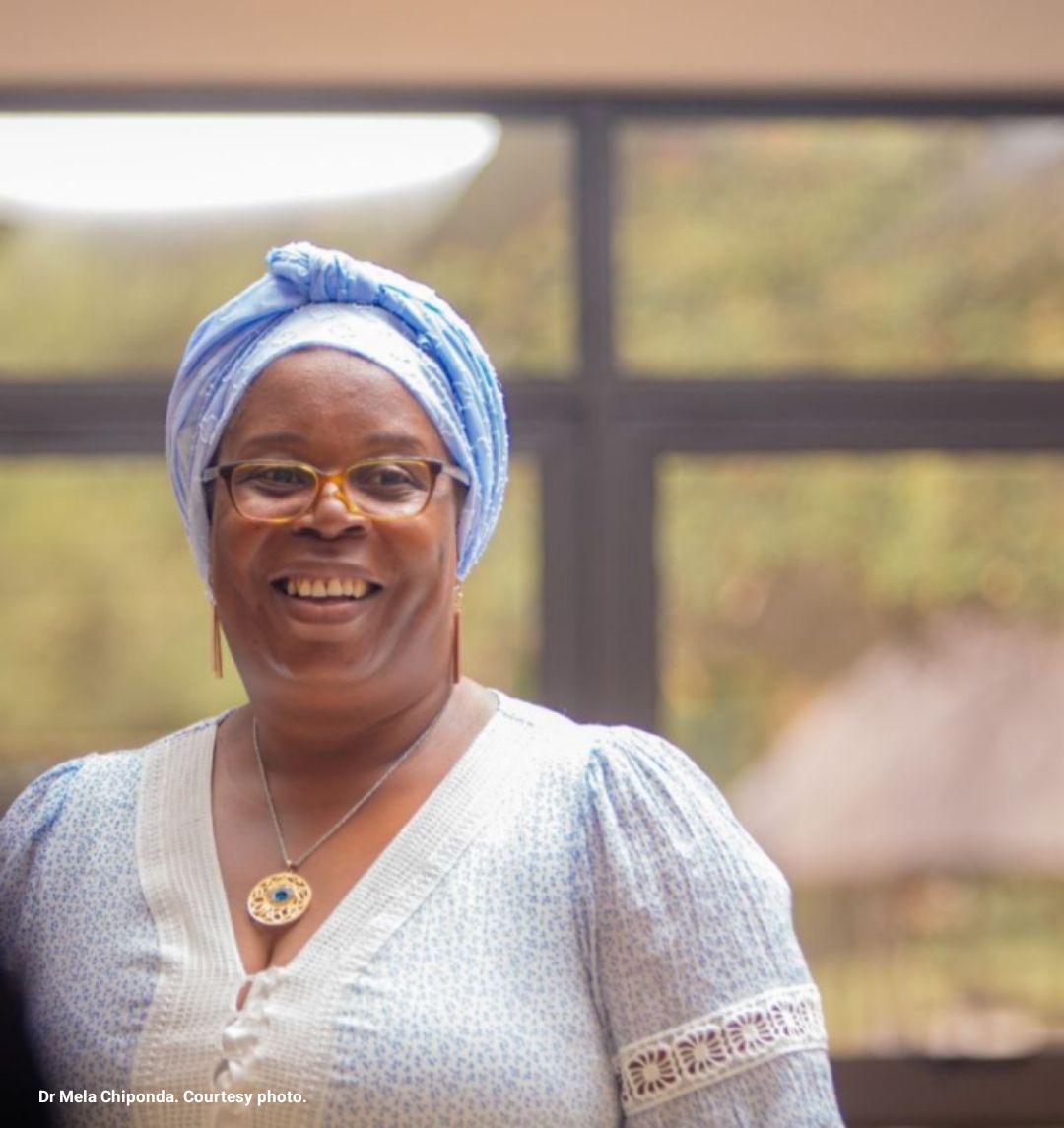
“There is no justice in a transition that replicates dispossession under a green label,” said Dr. Mela Chiponda of Shine Collab. “We must fundamentally transform systems of power, ensuring that those most affected are not only heard, but are leading the way forward.”
Across the Global South, the risks of so-called “green extractivism” are already emerging. Indigenous representatives warn that the expansion of mining for critical minerals—often undertaken without community consent—threatens to repeat patterns of land dispossession, environmental degradation, and cultural disruption historically associated with fossil fuel industries.
Feminist advocates reinforce this concern, noting that these impacts are often gendered, placing disproportionate burdens on women through loss of livelihoods, increased care responsibilities, and exposure to violence.
In Zimbabwe’s Bikita district, these global tensions are playing out at the local level. The surge in lithium mining has intensified pressure on community land rights and decision-making processes.
In response, Shine Collab and its partners have introduced the Hanyanya Solar Project, a community-driven renewable energy initiative that places women at the centre of climate solutions.
Through this project, women are gaining access to clean energy technologies while also strengthening their knowledge of land rights, governance, and advocacy. The initiative is not only improving livelihoods but also redefining power by enabling communities to assert agency over their resources and development pathways.
“The experience in Bikita shows that alternatives already exist,” Dr. Chiponda added. “When communities—especially women—lead, the transition becomes not only sustainable, but just.”
At the heart of this joint call is a shared insistence that a just transition must respect Indigenous governance systems, guarantee inclusive and gender-responsive participation in decision-making, and protect the integrity of lands, territories, and waters.
Indigenous knowledge systems and eco-feminist approaches are being highlighted as essential foundations for building regenerative economies that prioritize care, balance, and sustainability.
The statement also underscores the urgent need to move away from extractive economic models in all their forms. This includes rejecting false climate solutions such as geoengineering and market-based mechanisms that commodify nature, as well as ensuring that renewable energy expansion does not come at the expense of community rights.
Instead, there is a growing call for decentralized, community-owned energy systems that advance energy sovereignty and equitable access.
Central to this vision is the recognition of care as a cornerstone of sustainable societies. Feminist advocates emphasize that care work, which remains largely invisible and disproportionately carried by women, must be valued and supported through public investment and policy reform.
A transition grounded in care, they argue, offers a pathway that is both low-carbon and socially just.
Both Indigenous and feminist leaders are also calling for direct and accessible climate finance that reaches communities without restrictive intermediaries, enabling them to design and implement their own solutions.
They stress that reparative justice must be a core component of the transition, addressing the historical and ongoing harms caused by fossil fuel extraction and related industries.
The Santa Marta co-hosts have also stressed that the conference is not meant to be an alternative or replacement for multilateral negotiations. Instead, it’s envisioned as complementary.
The Brazilian COP30 presidency, which is running a parallel process to create a road map for fossil fuel phaseouts that will be delivered at COP31 in November 2026, has indicated that it will consider the outcomes from Santa Marta.
As negotiations unfold in Santa Marta, the message from Indigenous Peoples and feminist movements is clear and uncompromising: a just transition cannot be imposed from above or driven by profit.
It must be built from the ground up, rooted in rights, equity, and the leadership of those who have long defended their lands and communities.
From Colombia to Zimbabwe and beyond, this growing alliance is redefining what a just transition looks like—one that is not only about energy, but about transforming systems, restoring dignity, and safeguarding the future of people and planet alike.
Discover more from tndNews, Uganda
Subscribe to get the latest posts sent to your email.