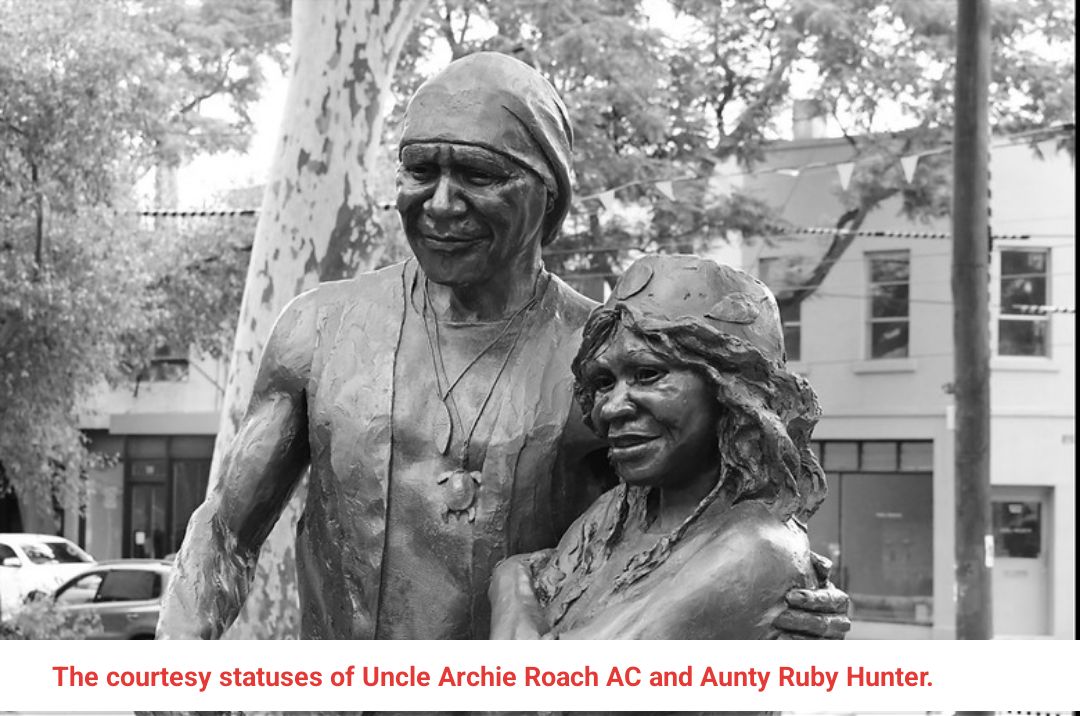
By Dr Mela Chiponda in Melbourne, Australia | As global leaders, eco-feminists, policymakers, and activists descend in Melbourne, Australia for the upcoming Women Deliver 2026 Conference to device ways of advancing gender equality, yet beneath the modern skyline and polished conference halls lies a deeper, older truth—this gathering is taking place on lands that have been cared for, governed, and sustained for tens of thousands of years by the Wurundjeri Woi Wurrung people of the Kulin Nation.
This is not a symbolic footnote—it is a political and moral starting point. Any gathering that seeks to advance gender equality and justice must reckon with the layered histories of dispossession, resistance, and survival embedded in the very ground on which it stands.
An ecofeminist lens demands more than acknowledgment; it calls for accountability. Colonisation in Australia was not only an occupation of land but a systematic dismantling of Indigenous governance systems, knowledge structures, and reciprocal relationships with Country. It imposed extractive economies that severed the spiritual, cultural, and ecological ties that sustained both people and land.
For First Nations communities, and especially for Indigenous women, this disruption was deeply gendered—eroding roles as custodians of land, knowledge keepers, and leaders within their societies.

At the pre-conference engagements, Indigenous women have made this truth unmistakably clear. They assert their sovereignty and remind participants that the rivers, forests, and oceans are not mere resources but living entities intertwined with their identities and histories.
Their voices disrupt the comfort of global convenings that often speak of justice in universal terms while overlooking the specific, ongoing injustices faced by Indigenous peoples.
They call attention to the fact that gender justice cannot be meaningfully pursued without confronting the colonial and extractive systems that continue to shape their daily lives.
This moment in Melbourne echoes far beyond Australia. It resonates deeply with the struggles of grassroots women and Indigenous communities across Africa.
From the pastoralist women of the Horn of Africa facing displacement due to climate-induced droughts, to forest-dependent communities in the Congo Basin resisting logging and land grabs, the patterns are strikingly similar.
Colonial legacies and contemporary extractive industries have dispossessed communities of land, undermined traditional governance systems, and intensified gendered burdens.
African grassroots women, like their First Nations counterparts, are often at the frontline of environmental stewardship. They are farmers, water collectors, seed keepers, and caregivers—roles that position them as both custodians of ecosystems and those most affected by environmental degradation.
When land is taken, when forests are cleared, when water sources are polluted, it is women who must walk further, work harder, and bear the compounded impacts on health, livelihoods, and dignity.
In both contexts, the struggle is not only about environmental protection but about sovereignty, identity, and justice. It is about the right to define development on one’s own terms, to maintain relationships with land that are not commodified, and to pass on knowledge systems to future generations.
Ecofeminism, in this sense, becomes a bridge—linking the experiences of Indigenous women in Australia with those of grassroots women in Africa, and offering a shared language of resistance and renewal.
Within the Women Deliver conference, climate justice rightly emerges as a central theme. There is growing recognition that the climate crisis is not gender-neutral and that women, particularly in marginalised communities, are disproportionately affected.
However, this recognition must go further. It must confront the structural roots of the crisis—colonialism, capitalism, and patriarchy—that continue to drive environmental destruction and inequality.
One critical gap in the discourse is the marginalisation of energy justice. While climate solutions are widely discussed, the question of who controls energy, who benefits from it, and how it is produced remains insufficiently addressed. This is not a technical oversight; it is a political omission with profound implications.
Energy justice is fundamental to gender equality and community autonomy. For many women in both Indigenous Australian and African contexts, lack of access to clean, affordable, and locally controlled energy systems perpetuates cycles of poverty and inequality. It increases unpaid care work, limits economic opportunities, and exposes women to health risks from traditional fuels.
At the same time, large-scale energy projects—whether fossil fuel extraction or even some renewable energy initiatives—often replicate patterns of dispossession, displacing communities and excluding them from decision-making processes.
For Indigenous peoples, energy justice is inseparable from land rights and sovereignty. It is about more than access; it is about control, participation, and the ability to shape energy systems in ways that align with cultural values and ecological principles.
Community-led, decentralised energy solutions offer pathways to empowerment, but only if they are genuinely inclusive and grounded in local contexts.
The risk, if energy justice remains sidelined, is that the global transition to a low-carbon future will reproduce the very inequalities it seeks to address. Technocratic, market-driven solutions may reduce emissions but fail to transform the underlying systems of power. They may prioritise efficiency over equity, scale over sustainability, and profit over people.
Indigenous women have long practiced alternative models—ones that prioritise care, reciprocity, and long-term stewardship. These models challenge dominant narratives of development and offer vital lessons for a just transition.
Similarly, African grassroots women are innovating with community-based approaches to agriculture, water management, and renewable energy, demonstrating that sustainable solutions are most effective when they are locally rooted and collectively owned.
The Women Deliver 2026 Conference has an opportunity—and a responsibility—to centre these voices and perspectives. This means moving beyond tokenistic inclusion to genuine partnership. It means ensuring that Indigenous and grassroots women are not only participants but decision-makers, shaping the agenda and outcomes of the conference.
It also means reimagining what success looks like. Rather than focusing solely on policy commitments or technological advancements, success must be measured by the extent to which communities are empowered, ecosystems are restored, and historical injustices are addressed.
It must honour the knowledge systems that have sustained life for generations and recognise them as essential to building a just and sustainable future.
As the conference unfolds on Wurundjeri Woi Wurrung land, it must carry forward a commitment to justice that is grounded in place and history. It must honour the women and men who have cared for this land long before it became a venue for global dialogue.
And it must draw strength from the shared struggles and solidarities that connect Indigenous communities in Australia with those across Africa and the world.
Ecofeminist justice is not a distant ideal; it is a lived reality for those who continue to resist dispossession and defend their lands. It calls for a transformation of systems, relationships, and values. It insists that gender justice, environmental protection, and Indigenous sovereignty are not separate goals but interconnected dimensions of a single struggle.
In standing with the dispossessed Indigenous communities of Melbourne, and in recognising the parallels with African grassroots women, the Women Deliver 2026 Conference can move closer to fulfilling its promise. But this will require courage—the courage to confront uncomfortable truths, to challenge dominant paradigms, and to centre those who have long been marginalised.
Only then can the outcomes of the conference truly honour the past, respond to the present, and shape a future rooted in justice, dignity, and care for all.
The writer is a scholar and executive director of the Shine Collab, an eco-feminist energy justice network that empowers African women-led, community-rooted renewable energy initiatives to promote decentralized clean energy, gender justice, and climate resilience.
Discover more from tndNews, Uganda
Subscribe to get the latest posts sent to your email.