Across Eastern Uganda’s markets, roadside clinics, and radio advertisements, herbal medicines’ promising cures for diabetes, kidney disease, and other chronic illnesses are widely promoted and yet only a small fraction of these products have been verified by regulators.
The growing gap between demand for herbal remedies and regulatory oversight has prompted officials from the National Drug Authority (NDA) to intensify engagements with herbal medicine practitioners in the Teso sub-region.
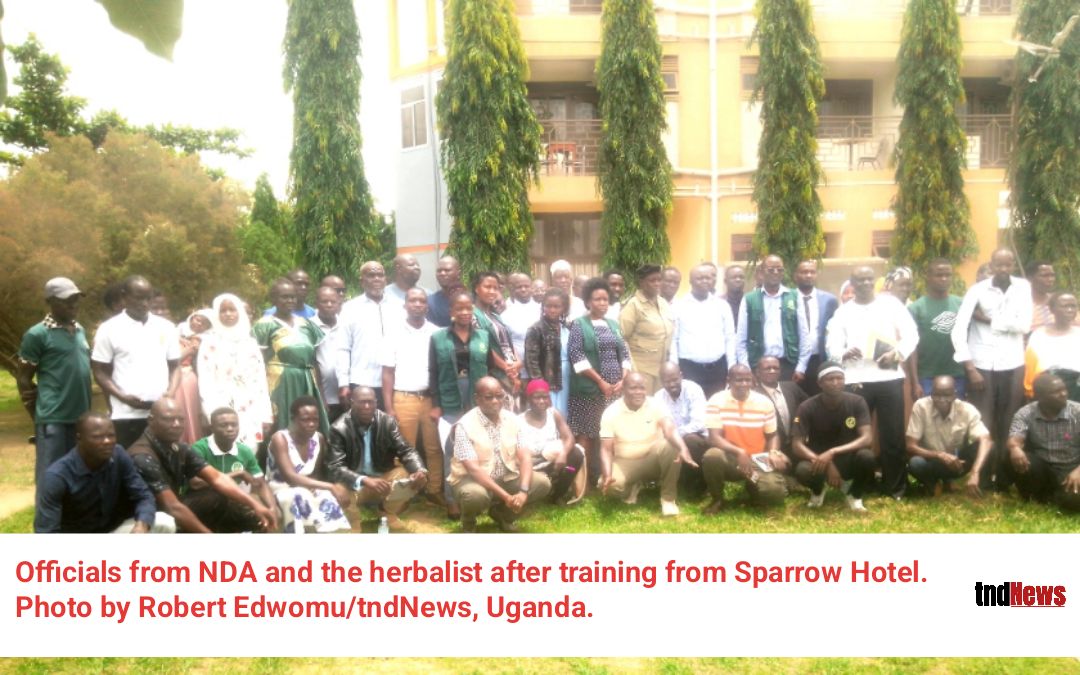
During a recent training held at Sparrow Hotel in Soroti, herbalists were guided on how to improve the safety and quality of their products and comply with national regulatory standards.
The training focused on the procedures required to notify or register herbal medicines before they are manufactured, advertised, or sold to the public.
Under the National Drug Policy and Authority Act, herbal medicinal products must first be notified with the National Drug Authority, and only those appearing on the regulator’s official register are legally permitted on the market.
Participants were taken through the steps required to formalise their products, including submitting documentation on ingredients, providing product samples, conducting laboratory tests such as phytochemical and microbial analysis, and allowing inspections of production facilities.
But despite these regulatory pathways, many herbal remedies continue to circulate outside the formal system.
According to Frederick Ssekyana, misconceptions about the regulatory process remain one of the biggest barriers preventing herbal practitioners from registering their products.
He says many herbalists fear losing intellectual property or traditional knowledge if they disclose details of their formulations to regulators.
Others lack awareness about the notification process or struggle to meet the costs of laboratory testing and establishing proper manufacturing facilities.
Under the authority’s fee regulations, the notification of locally produced herbal medicines costs about shs50,000, while foreign manufacturers pay about US$500 to register imported products.
Regulators say the lower fee for local producers is intended to encourage herbal innovators to bring their products into the formal regulatory system.
However, official figures indicate that just over 400 herbal products have been notified nationwide, and about 300 herbalists are known to be registered or working within the NDA framework.
This suggests that a much larger number of herbal medicines continue to be sold without regulatory clearance and the situation is even more evident in the Teso sub-region.
Only three herbal practitioners in the region have notified their products with the NDA, including Patrick Engeu Ogwang of Jena Herbals Limited, whose herbal innovations gained national attention during the COVID-19 pandemic.
Dr. Waiswa Saidi Ambali, chairperson of the Uganda Herbalists and Cultural Association Eastern Region says the association has about 1,500 herbalists in the Teso sub-region, yet only a small number have formalised their products with the regulator.
He says fear of intellectual property theft remains a major concern among practitioners as many herbalists believe that once they reveal their formulations, competitors may copy them.
Others view traditional medicine as part of indigenous African knowledge that must be protected, making them reluctant to disclose information about their remedies as some practitioners say herbal medicine is rooted in personal experience.
Godfrey Etelu, a teacher-turned-herbalist, says he entered the practice after recovering from poisoning in 2008 using remedies introduced by his father.
He now specialises in treating poisoning cases using his developed remedy and claims to have treated more than 900 patients.
Another practitioner, Margaret Amunot, says her herbal medicines treat conditions including sickle cell disease, diabetes, heart complications, and liver and kidney diseases.
However, health experts caution that such claims require scientific verification and regulatory approval to ensure medicines are safe, effective, and administered in proper dosages.
Local authorities say regulation is necessary not only to protect consumers but also to develop herbal medicine into a credible industry.
Victor Mutai Soroti District Deputy Resident District Commissioner acknowledges the role of traditional medicine in community healthcare but urged practitioners to comply with national regulations.
Emmanuel Ekodeu the Soroti District Drug Inspector says authorities are working with Village Health Teams to identify herbal practitioners operating in communities and guide them through the registration process.
He reveals that only about two herbal practitioners are currently registered in Soroti district.
The World Health Organisation estimates that around 80 per cent of people in many developing countries rely on traditional medicine for primary healthcare, while in Uganda about 60 per cent of the population uses traditional remedies.
Some countries like China have gone further by integrating traditional medicine into formal healthcare systems.
In Ghana, herbal medicine units operate in several public hospitals, while China has long incorporated traditional medicine into its national health system.
Health experts say Uganda could benefit from similar models if herbal medicines are properly tested and standardised.
For now, regulators face a difficult balancing act protecting indigenous knowledge while ensuring the safety of millions of Ugandans relying on herbal remedies.
But as herbal medicines continue to dominate markets and airwaves, a critical question remains: How many of the herbal remedies sold daily across Uganda have actually been tested and proven safe?
Discover more from tndNews, Uganda
Subscribe to get the latest posts sent to your email.