According to Regina Akello, Deputy Town Clerk for Gulu City Council, they are currently operating at below 35 percent staffing levels.
“If the recruitment succeeds, staffing would rise to about 55 percent,” she told tndNews, Uganda.
Akello warned that returning the shs1.3 billion meant for recruiting 93 key employees to the treasury would severely affect service delivery in the city.
“The city needed staffing yesterday, not today. The delays are already affecting the quality of services to the people of Gulu,” Akello added.
She further urged the Public Service Commission to fast-track the renewal of the City Commission’s term.
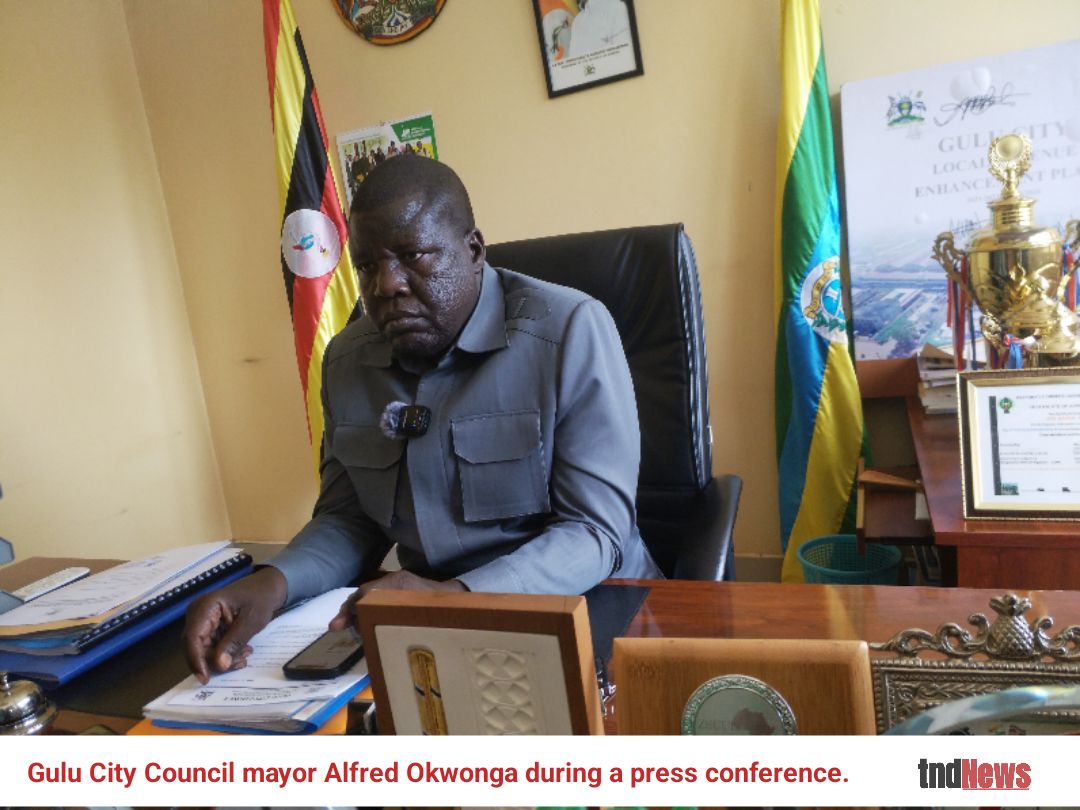
Gulu City Mayor Alfred Okwonga praised the outgoing commission for strengthening transparency and merit-based recruitment.
“Your hard work has been felt in hospitals, schools, and other institutions,” Okwonga said during the handover ceremony.
He emphasised that the city is working to ensure the allocated recruitment funds are utilised before the financial year ends and called on the Public Service Commission to urgently approve the renewal of the commission’s term.
“We do not want money meant for recruitment returned to the treasury when our people need services,” Okwonga said.
The Resident City Commissioner (RCC), Onoria Ambrose, also commended the commission’s transparency and urged the Town Clerk’s office to ensure logistical readiness ahead of any new appointments.
“People should be employed on merit. That is what guarantees better service delivery,” he noted.
Despite their efforts, the outgoing commission cited financial constraints, including unpaid arrears totaling shs41.5 million owed to members and technical staff who supported recruitment exercises.
They also reported detecting multiple cases of applicants submitting forged academic documents during shortlisting and interviews, raising concerns about integrity within parts of the public service.
What happens next?
If the Public Service Commission does not renew the commission’s term in time, the shs1.3 billion allocated for recruitment could automatically revert to the Consolidated Fund at the end of the financial year.
For a city operating at barely a third of its staffing needs, the financial reversal would mean prolonged staff shortages, delayed public services, and mounting pressure on existing workers.
Discover more from tndNews, Uganda
Subscribe to get the latest posts sent to your email.