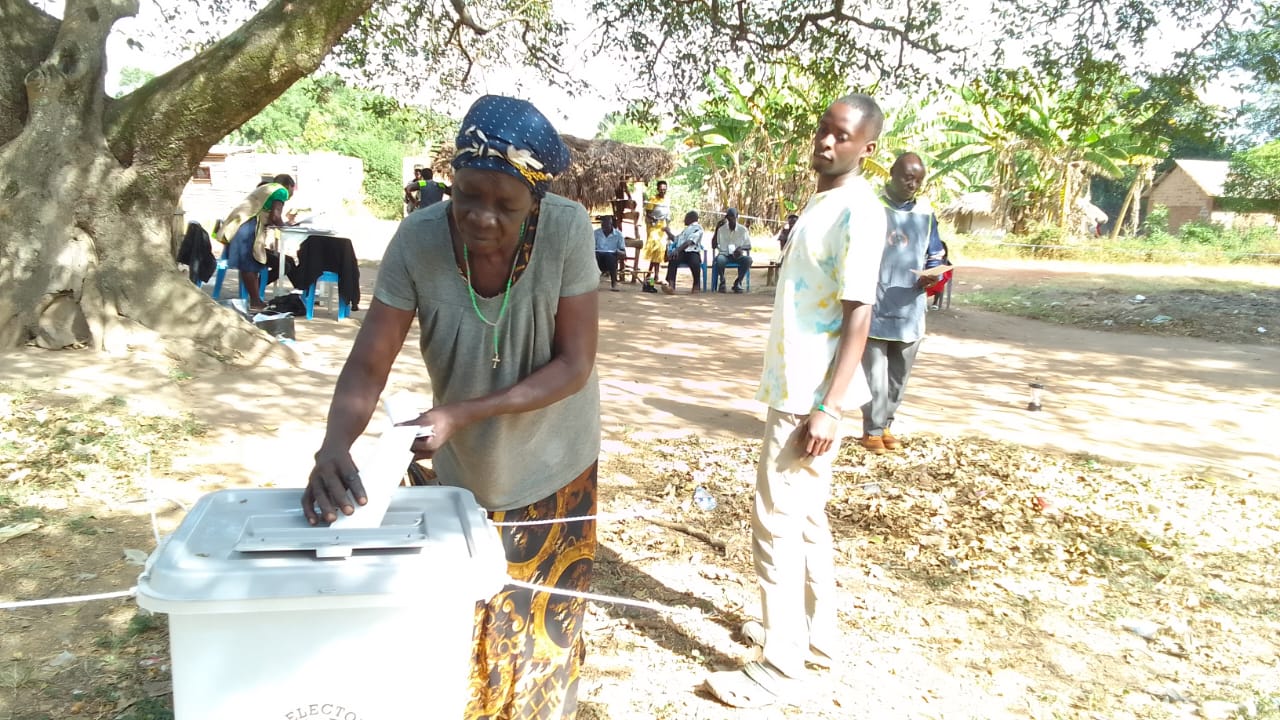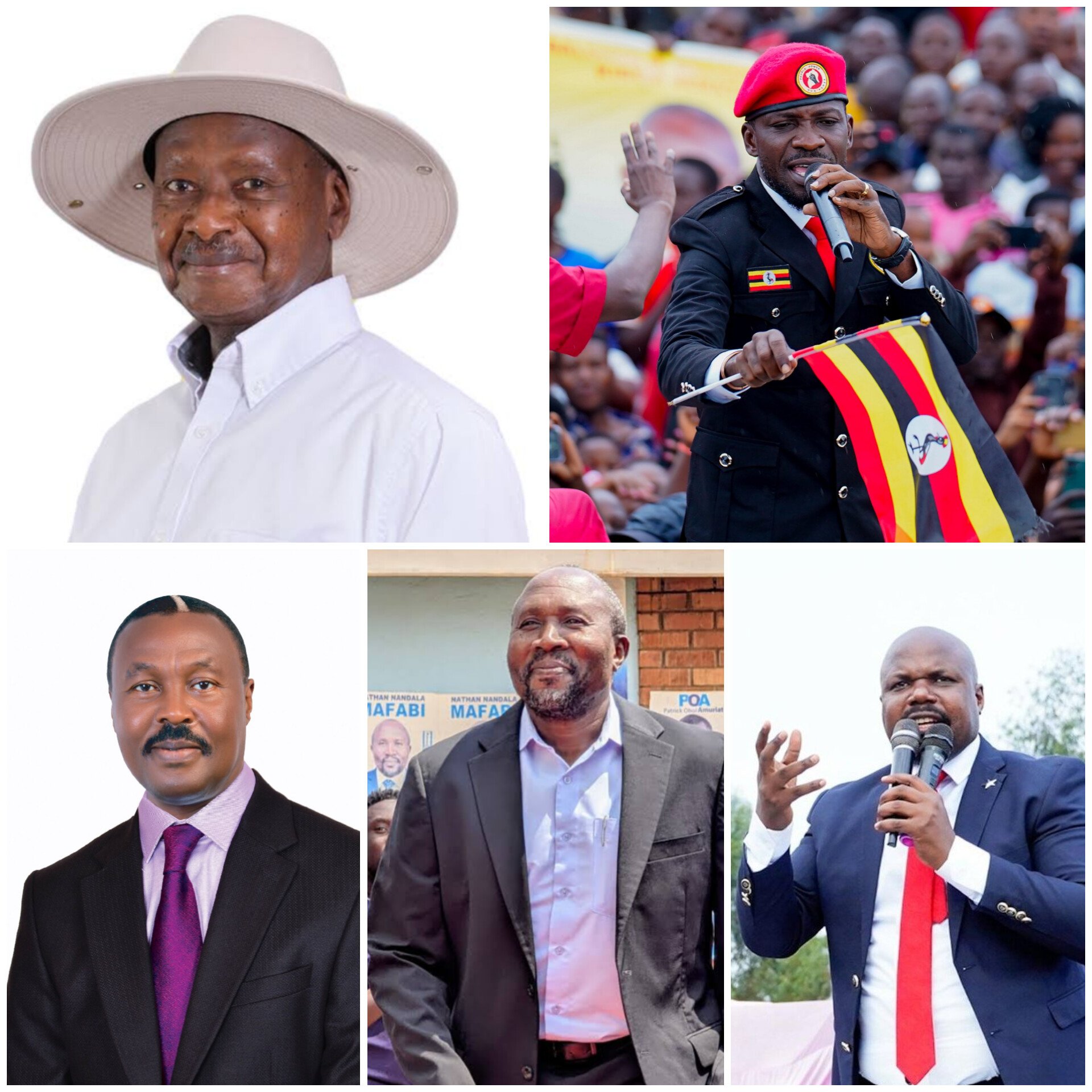
The 2026 general elections marked a turning point in the political relationship between the Lango sub-region; including Lira City and the National Resistance Movement (NRM).
Beyond determining leaders, the election reflected a region that is increasingly voting with its eyes on development, stability, and economic opportunity.
For years, Lango was often portrayed as politically distant from the ruling party. That narrative no longer holds. The 2026 results demonstrate a more pragmatic electorate; one that values peace, continuity, and tangible progress while still demanding accountable leadership at local level.
“Lango is no longer voting out of grievance; it is voting for opportunity.”
Reading the presidential trend correctly
Nationally, President Museveni’s electoral performance has evolved over time. His vote share dipped from 68.38 per cent in 2011 to 58.64 per cent in 2021 as political competition intensified.
The 2026 outcome of 7,946,772 votes (71.65 per cent); represents a strong recovery, signaling renewed confidence in stability, national cohesion, and long-term planning and development of the nation.
Lango’s voting pattern mirrors this national trajectory. Several districts in the region shifted decisively toward the NRM presidential ticket compared to 2021, in some cases by more than 20 percentage points. This reflects growing appreciation for government-led infrastructure investment, security, and social services.
However, this support should not be taken for granted.
Lira City: strong support, high expectations
Lira City backed the NRM presidential candidate and woman MP of Lira City convincingly, yet its local election results sent an important message. Lira City also voted for the MP for City East on NRM party ticket but voted for UPC in City West division while voted for NRM as Mayor although the two division mayors went to UPC with majority UPC councilors at both levels. municipal level.
This was not a rejection of the government but an assertion of local accountability.
City voters effectively said: we support national leadership, but local leaders must deliver. “Loyalty follows performance not party labels.”
What Lango’s vote tells the nation
When Lango’s voting pattern is viewed alongside national results, three lessons stand out.
First, rural and peri-urban Lango largely aligned with the national shift toward the incumbent, strengthening the President’s overall mandate.
Second, Lira City reflected a broader urban trend seen in other growing cities ; voters are politically informed, service-oriented, and willing to separate national and local choices.
Third, Lango has moved from historical contestation to constructive engagement. The politics of the region is increasingly shaped by development outcomes rather than identity or history.
Why Lira and Lango must be prioritized (2026–2031): A mandate for delivery
The strong presidential support from Lango represents a partnership for progress. It is an opportunity for the government to deepen development, create jobs, and strengthen public services in a region that has shown faith in national leadership.
Lira International Airport: opening the North
Lira is already a commercial and industrial hub for Northern Uganda. Establishing an international airport would integrate the region into regional and global markets, lower transport costs, boost agro-exports, and attract investment and tourism. We are glad there is much progress to make this a reality.
This is not regional preference; it is strategic national development.
“Investing in Lira is investing in Northern Uganda’s economic future.”
Industrial parks and agro-processing
Lango has immense agricultural potential but remains largely a raw-material economy. Developing industrial parks and agro-processing zones would create employment, increase farmer incomes, and add value to local production. This would also reduce youth unemployment and diversify Uganda’s industrial base beyond central Uganda.
Support for SMEs and local business
As Director of the Chamber of Commerce and Industries in Lira and Lango, I see how limited access to affordable credit constrains entrepreneurs.
Government-backed financing, credit guarantees, and business incubation programs would unlock local enterprise and expand economic participation.
A thriving private sector in Lango strengthens the national economy.
Better roads for better markets
Lira City still needs major improvements in urban roads, drainage, and connectivity.
Comprehensive tarmacking of key city roads together with improved links to Apac, Dokolo, Oyam, Kole, Alebtong, Otuke etc; would enhance trade, mobility, and investment across the region.
Good roads are not luxury; they are engines of growth.
Inclusive representation in national service
Development is also about inclusion. The increased presence of qualified and development focused Lango sons and daughters in national institutions and foreign service has been a positive step. This should continue and expand.
When every region is represented in government, national unity becomes stronger.
From votes to visible progress
The next five years will define whether Lango’s political realignment becomes permanent.
If the NRM government delivers visible progress; an international airport, industrial parks, better roads, appointment of the regions sons and daughters in strategic government roles, and stronger support for local businesses it will deepen trust and partnership for now and the future.
If not, Lango’s electorate has already shown that it will judge leaders by results. “Lango has voted. Now development must follow.”
By Dr. Morris Chris Ongom, General Secretary, NRM Party, Lira City Chapter; & Director, Chamber of Commerce & Industries, Lira and Lango Chapter.
Discover more from tndNews, Uganda
Subscribe to get the latest posts sent to your email.