Summary: Africa Day is not a calendar moment. It is a mirror.
Every year on 25 May, the continent asks one pointed question: are we moving closer to the Africa we envisioned: self-determined, sovereign in its own story? With the African Union’s Agenda 2063 approaching its midpoint, that question lands with particular weight for those of us in communications.
Because Africa’s story is still being narrated over. And much of the industry, global agencies included, is complicit.
Relevance before reach
Many global brands arrive on the continent carrying their legacy like a passport, but African audiences aren’t waiting to be impressed by what a brand achieved elsewhere. They’re asking one question: did you come here to listen, or just to sell?
The moment an audience detects a message wasn’t made for them, trust erodes. Credibility in African markets must be earned, and the currency it demands is relevance – before reach.
One Continent. 54 markets.
When APO Group partnered with the Jack Ma Foundation on Africa’s Business Heroes, the stated objective was to reach all 54 African markets. The actual requirement was harder: a single coherent programme identity running alongside 54 distinct audience conversations at the same time.
That’s not a logistics challenge. It’s a strategic discipline.
The Foundation understood something most organisations miss: the programme’s credibility depended on each market seeing itself genuinely represented, instead of merely accommodated. That distinction is where continental strategies fail. Treat Africa as a single unit, and you are reaching none of its markets properly.
Cultural intelligence is a hiring decision
The Canon World Unseen campaign showed what happens when you invert the creative model. It started with an African perspective and built outward – rather than a global brief made to feel “African”. That inversion is everything. Only a Kenyan team, deeply rooted in the community, could tell the story of East Africa’s coral conservation efforts with conviction.
At APO Group, this cultural intelligence comes with our team. We hire people who bring lived context to a brief, not just language skills. People with the conviction to challenge a client when the instinct is to impose a global narrative on a local audience.
It’s harder to scale than a media list. It also produces results a media list never will.
In a crisis, consistency is the wrong instinct
When an organisation faces a crisis in an African market, headquarters’ instinct is uniform: be consistent, issue a unified statement, protect the global brand.
That instinct is wrong. In one case I witnessed first-hand, it would have been catastrophic. The decision to localise the response, speaking directly to the values and communication norms of the affected community, was the difference between containment and escalation.
The global playbook demanded consistency. Cultural intelligence demanded appropriateness. Those are not the same thing. The gap between them is where reputations are permanently lost.
The shift Africa Day 2026 demands
Agenda 2063 is a vision of African self-determination: economically, culturally, narratively. But much of the continent’s PR infrastructure still operates on a model where strategy is set in London or Paris and adapted downward. This doesn’t come down to talent. African communications professionals are exceptional. The gap is structural.
The one shift I challenge every senior communicator to make: stop briefing Africa and start listening to it first. Go into a market to understand before you communicate. That’s the most practical investment protection available.
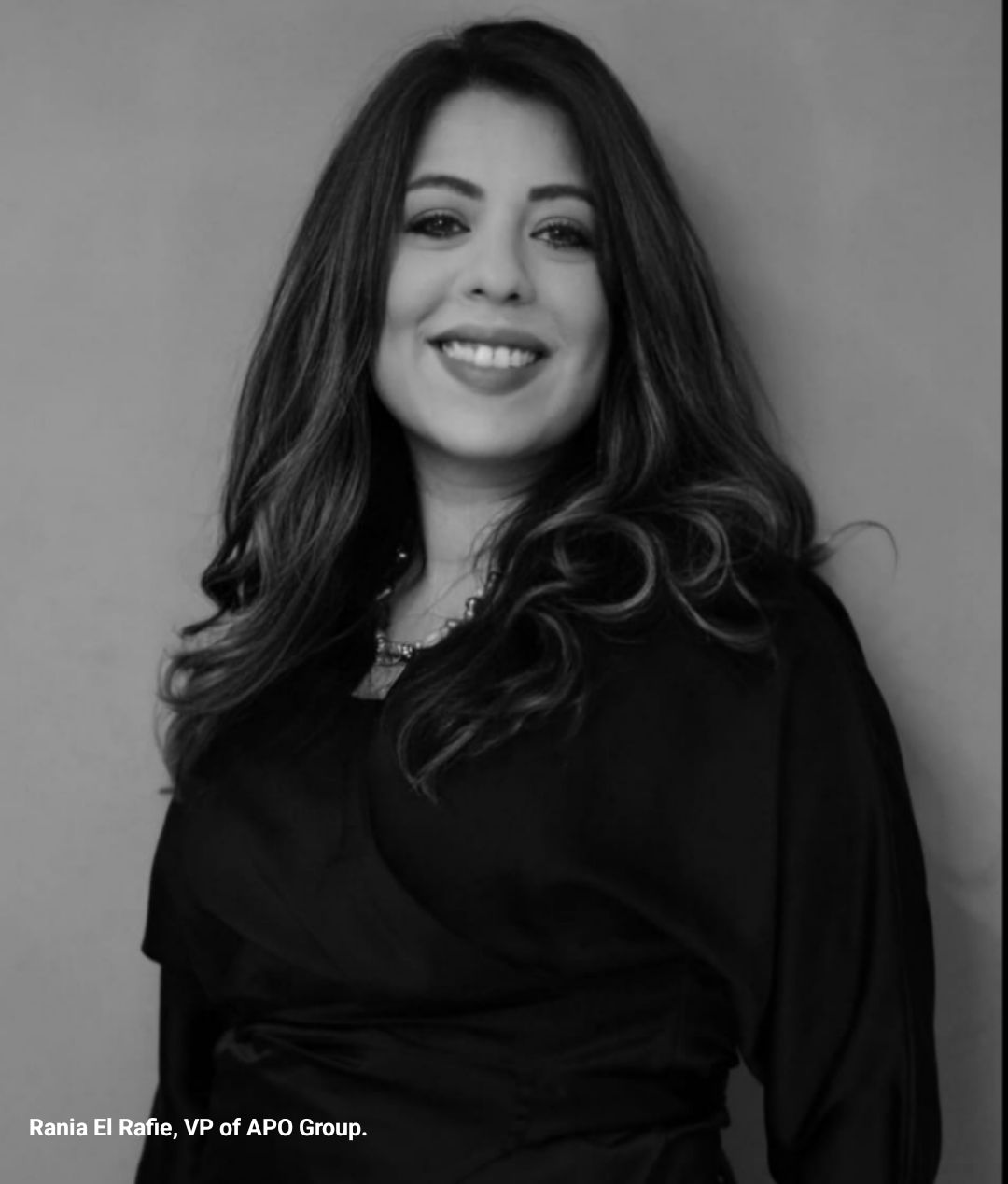
Rania El Rafie is Vice President, Public Relations & Strategic Communications at APO Group, a pan-African communications consultancy. The views expressed draw on APO Group’s work across African markets and reflect the author’s professional experience.
Discover more from tndNews, Uganda
Subscribe to get the latest posts sent to your email.