The political landscape in Obongi district became fraught with accusations and tensions as parliamentary candidates Hassan Fungaro of the Forum for Democratic Change (FDC) and independent candidate Joyo Harriet publicly criticized the actions of the Resident District Commissioner (RDC), Samuel Mpibaza Hashaka.
They allege that the RDC was attempting to disenfranchise thousands of voters under dubious claims of refugee status.
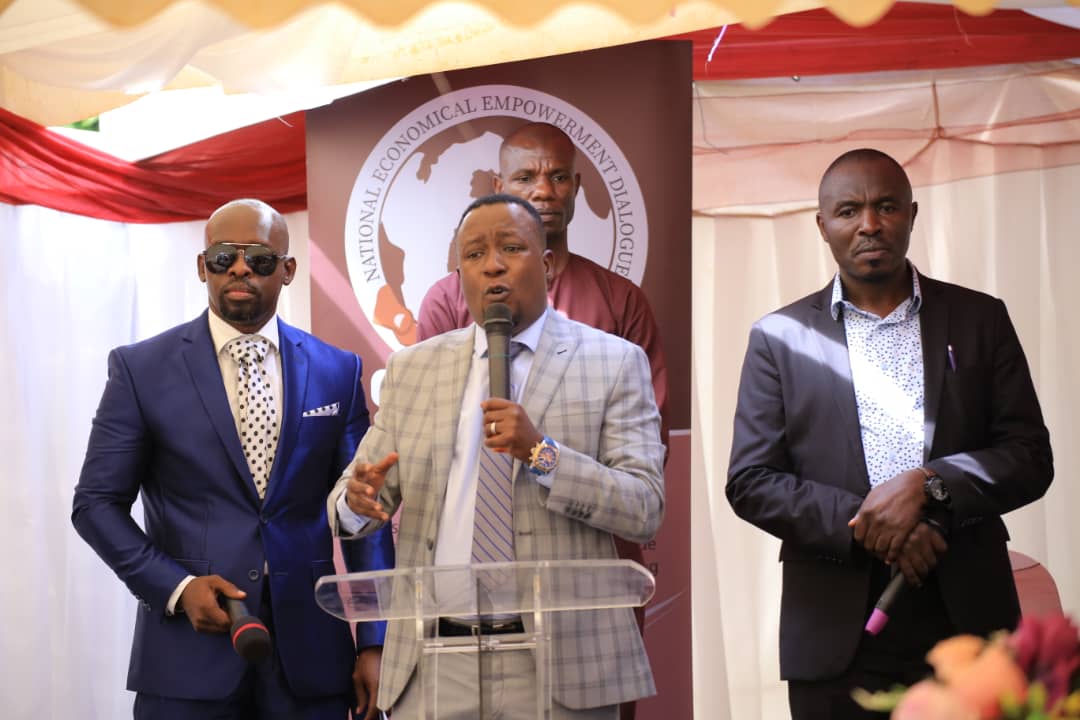
During a press conference in Obongi early this week, Fungaro voiced strong concerns over the RDC’s conduct, particularly citing an incident where the RDC interrupted a campaign rally for Harriet and allegedly ordered the arrest of her supporters.
Fungaro suggested that the RDC’s actions were deliberate provocations aimed at instigating unrest among his supporters, potentially to justify a military response from the Uganda People’s Defence Force (UPDF).
Fungaro went on to allege that the RDC is threatening voters whose names bear similarities to those of South Sudanese refugees, claiming that this intimidation tactic is part of a broader strategy to undermine the electoral process in favor of incumbents.
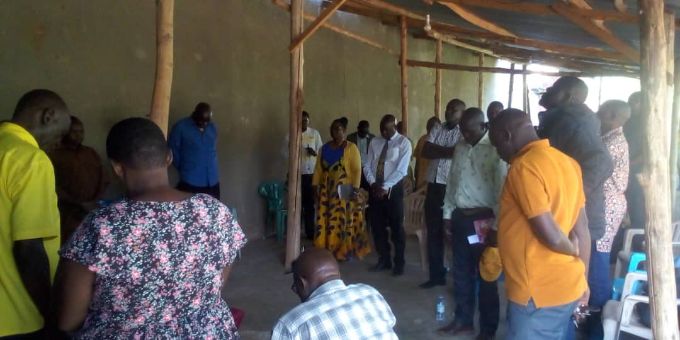
Joyo Harriet echoed Fungaro’s concerns, recounting her own experiences of disruption. She claimed that during her campaign activities in Andra, Palorinya sub-county, the RDC ordered the arrest of her supporters without cause.
“Even during the primary election, the RDC interrupted my supporters, leading to a failure in the voting process,” Harriet stated, emphasizing that her struggle is not just personal but a fight for the rights of the people of Obongi against what she perceives as the RDC’s overreach.
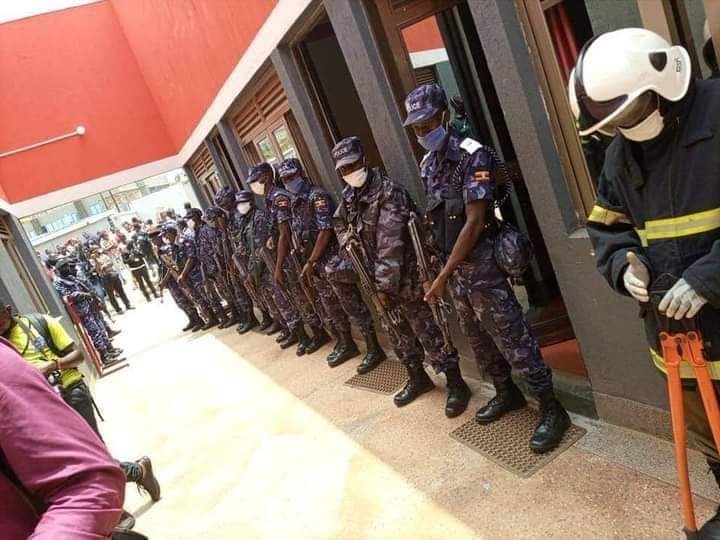
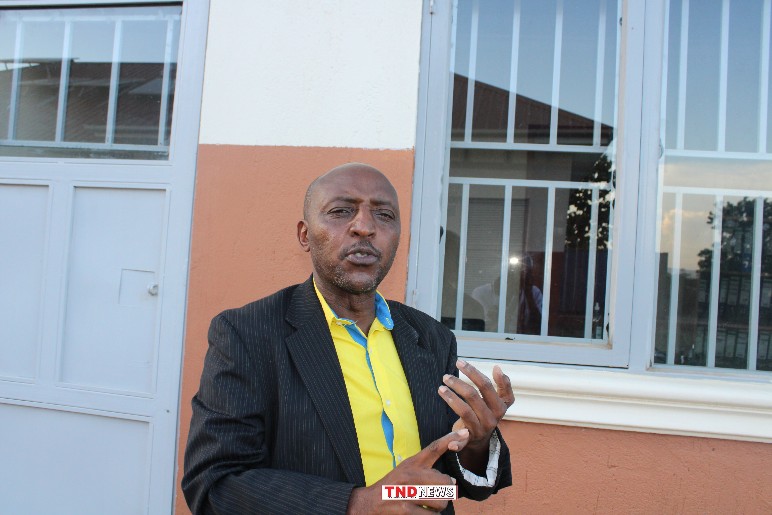
In response to these allegations, RDC Samuel Mpibaza Hashaka defended his actions, stating that he did not personally arrest anyone; rather, it was the police who apprehended individuals accused of disrupting a rally for the incumbent Woman MP, Maneno Zumura.
He confirmed that nine arrests were made and mentioned ongoing efforts to identify additional perpetrators.
Mpibaza also addressed the claims regarding voter disenfranchisement, asserting that there are approximately 8,000 refugees listed on the voters’ register in Obongi.
He firmly denied any intentions to disenfranchise voters based on their refugee status, countering the narrative presented by Fungaro and Harriet.
Recently, the Obongi District Returning Officer, Innocent Akena dismissed reports suggesting that refugees had been registered as voters in the district ahead of the forthcoming general elections.
Akena said he was unaware of any such cases, noting that he has not received a single complaint indicating that refugees were illegally included on the voter register in Obongi.
He added that he had not read the media reports making the claims and therefore could not respond directly to them.
“The voter registration process is always conducted transparently by the Electoral Commission. It involves registration, updates, and verification, all of which are carried out openly with the participation of local authorities,” Akena explained.
He further stated that although he assumed office in Obongi in June last year, he believes his predecessor ensured that all electoral processes were conducted in a free and fair manner. Akena emphasized that refugees are not eligible to vote.
He warned that if any were found on the voter register, it would be illegal and constitute a serious security issue requiring investigation.
As the election date approached, the situation in Obongi remained tense, with accusations flying and an intense sense of uncertainty among voters.
The unfolding events highlight the complexities of the electoral process in regions grappling with refugee issues and the broader implications for democratic governance.
The residents of Obongi County are left to navigate this turbulent political landscape, as candidates prepare for a mmore contentious electoral battle ahead after presidential and parliamentary elections on January 15
Obongi district, which was carved out of Moyo district in 2019 by the power of parliament, has a population of 72,166 people and is hosting 142,527 as of January 7, 2026, according to the UNHCR.
Discover more from tndNews, Uganda
Subscribe to get the latest posts sent to your email.