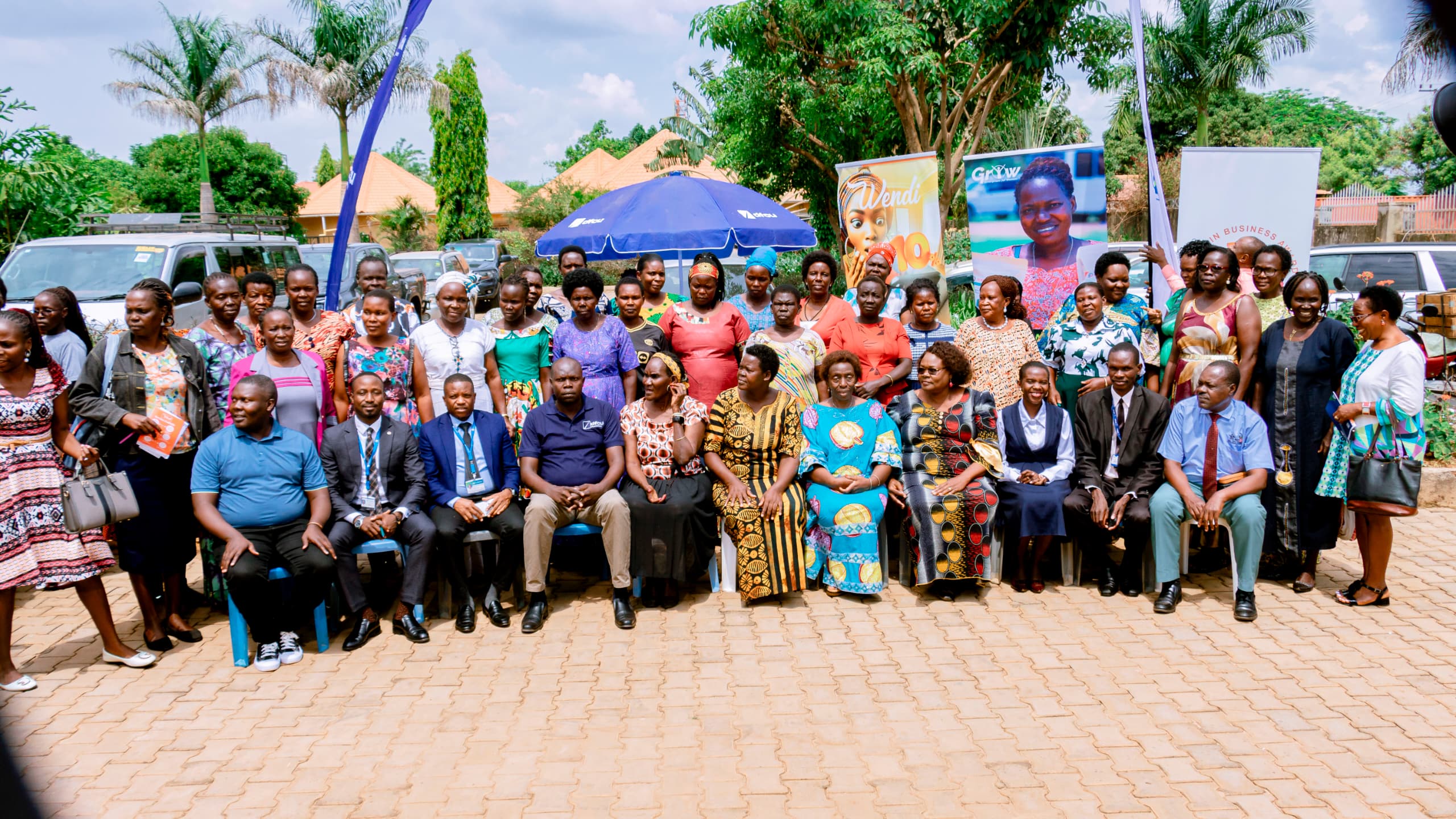
Lira | In a groundbreaking initiative aimed at transforming the entrepreneurial landscape for women in Northern Uganda, the Women in Business Awards (WiBAS), in partnership with Post Bank, Pride Microfinance Bank Limited, Dfcu Bank, and Wendi, convened a one-day Business Clinic for Women in the Lango sub-region.
The event, held under the theme “Handholding Women for Business Sustainability,” brought together women entrepreneurs, financial institutions, government representatives, and civil society to discuss challenges, opportunities, and practical strategies for economic empowerment.

In her opening remarks, Deputy Resident District Commissioner of Lira, Beatrice Molly Abang, set a powerful tone for the event.
“Training a woman is equivalent to training a nation,” she said, drawing attention to the critical role women play in national development.
Abang urged unity among women, stressing, “If women could come and speak one language, nothing could be difficult.” She lauded notable women achievers in the Lango sub-region, including Lillian Grace Ocari, Beatrice Lagada, among others, and highlighted gaps in financial literacy, record-keeping, and effective business communication that continue to hinder many women in business.
While acknowledging government initiatives such as the Parish Development Model (PDM) and Emyooga, which provide soft loans, Abang raised concerns about the inaccessibility of traditional bank loans due to high interest rates and lack of collateral.
Deputy RDC Abang urged financial institutions such as Post Bank, Pride Microfinance, and Housing Finance Bank to review their loan interest rates and tailor products that are friendlier to women, particularly those in small and medium enterprises.
“The issue is not just access to money,” she noted, “it’s also about security for the business environment.Street goons pose real threats, especially for market women and those in the mobile money venture.”
She also called for an expansion of GROW soft loans and discouraged financial institutions from pushing women into high-interest loans that threaten business sustainability.
The challenges women face in accessing financial services were candidly discussed by several businesswomen who shared personal experiences that echoed the systemic barriers to women’s economic participation.
Susan Ojok, a produce dealer and Chairperson of Lango Agro Input Dealers, highlighted structural discrimination from both banks and suppliers. “We are underlooked. Banks see us as liabilities, and suppliers treat us like mere shop attendants,” she said.
Ojok emphasized the lack of documentation like land titles and house deeds, which disqualify many women from accessing loans.
“Even when the business is thriving, without collateral, we are locked out. Men still sign most credit deals,” she explained.
Polline Achola, another entrepreneur, pointed to cultural and systemic power imbalances.
“Men still have too much control over women, especially in decision-making,” she said.
She also raised concerns about the lack of child-safe business spaces, poor storage facilities for perishables, limited infrastructure such as poor roads, and an information gap between market demand and supply.
“Many women don’t have the training in entrepreneurship needed to think long-term,” Achola observed.
For Athieno Eveline, a vendor at Lira Main Market, day-to-day business challenges revolve around sanitation, hygiene, and health-related concerns in the market environment. Taxes and power interruptions also remain persistent obstacles.
“We spend a lot on health due to poor sanitation, and power cuts damage perishable stock,” she lamented.
In an emotionally charged testimony, Christine Ogwang, a bakery owner, shared her frustration with misleading media campaigns by Post Bank and the GROW project. “I’m always listening to the radio, I’m online, but what I hear advertised is not what we experience,” she said.
Ogwang, who started her bakery using her NSSF savings and imported soap-making machinery from China, narrated how a Post Bank officer came, conducted an assessment, inspected her business, and then disappeared when it came to providing the loan.
“I was told “GROW” only funds agribusiness. Then why advertise broadly?” she questioned. Her experience illustrates the information and access gap between the media narrative and ground reality.
In response, Enock Okwara, Lira Branch Manager at Post Bank, acknowledged the issue of collateral as a major barrier for women seeking loans.
“Yes, collateral is a challenge, but we are working on solutions. When women form groups, especially through VSLAs, it becomes easier for them to access funds collectively and mitigate risk,” he said.
Representing the GROW project, Henry Ekwang Cilodyang, the Northern Uganda Coordinator, clarified the project’s eligibility requirements. “GROW funds are allocated to already registered businesses, not startups”, he stated.
Cilodyang admitted that some applicants are denied loans due to existing debts or intentions to use the funds to repay other loans. “We want to ensure sustainability and not over-indebted women entrepreneurs,” he added.
Winifred Acan, District Commercial Officer of Lira, reinforced the government’s commitment to improving women’s access to economic opportunities. “Through the Ministry of Trade, we are pushing for grassroots policy implementation to support women, especially in PDM and Emyooga,” Acan explained.
She encouraged women to build confidence and vision for their businesses while balancing their roles at home. “You can be a mother and a businesswoman. It’s possible”, she asserted.
Acan also urged women to form groups to benefit from collective funding and training.
WiBAS founders weigh-in
Speaking to tndNews, the co-founders of WiBAS, a platform launched to promote and support women in business, spoke passionately about the organization’s vision and impact.
Winnie Lawoko Olwee told tndNews that WiBAS focuses on empowering women at every stage of the business ladder.
“Our mission is to create an enabling environment for SMEs, especially women-led ones,” she said.
WiBAS, she noted, addresses key challenges such as business formalization, accountability, and sustainability.
“We have realized that many challenges stem from mismatches between policy and practice, media and reality, grassroots and institutions. These can be bridged through platforms like SACCOs and VSLA,” she explained.
COVID-19, she noted, exposed the vulnerability of informal businesses. “We are now working to ensure women-led SMEs are resilient, compliant, and prepared for future shocks.”
Grace Achire Labongo, another co-founder, emphasized the power of information.
“WiBAS was born to close the information gap. When a woman is informed, she is empowered,” she said.
According to Labongo, many women start businesses without long-term planning or capacity building.
“We don’t just give advice; we handhold these women. Even if someone doesn’t get a GROW loan today, she should be able to grow her business sustainably through the support system WiBAS provides,” she said.
Labongo also touched on market access challenges. “Our women produce great products but don’t know where to sell them. We want to build formal marketing channels and link women to reliable buyers,” she noted.
She urged women to invest time in learning and training and to see business as a long-term journey requiring effort and consistency.
A call for better integration and parenting
In her closing remarks, Beatrice Lagada, a board member of Post Bank Uganda, praised WiBAS for its strategic engagement of stakeholders and its commitment to bringing service providers closer to the people.
“This clinic is what we need across the country,” she said.
Lagada called on Post Bank to improve the onboarding process for Village Savings and Loan Associations (VSLAs) to help women manage finances more securely.
She also raised a poignant concern about parenting amidst business hustles.
“When I travel to Gulu around midnight and see women still vending on the streets, it breaks my heart. What happens to the children left at home? Our girl children are vulnerable, especially when mothers have little time to guide them,” she said.
The Women in Business Awards (WiBAS) Business Clinic in Lango has not only opened space for dialogue but also underscored the need for coordinated action to bridge financial, informational, and policy gaps affecting women entrepreneurs.
The engagement revealed that while initiatives like PDM, Emyooga, and GROW offer hope, systemic challenges like collateral requirements, misinformation, limited financial literacy, and poor infrastructure still stifle progress.
Discover more from tndNews, Uganda
Subscribe to get the latest posts sent to your email.