UK grapples with slave trade role
The convoluted language may confuse, but the outcome of October’s Commonwealth Heads of Government Meeting marks a breakthrough in the decades-long fight for reparatory justice.
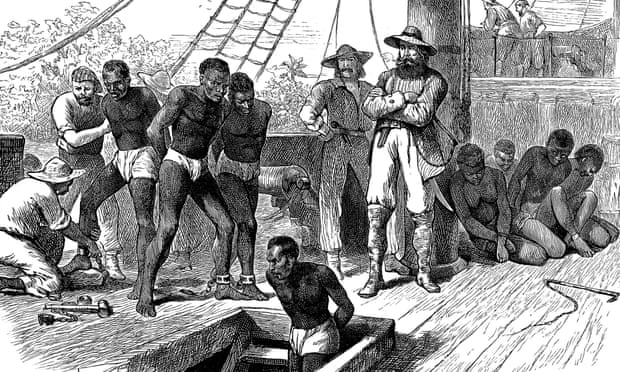
A communiqué signed by the U.K. Prime Minister Keir Starmer acknowledged the calls for reparations over the trans-Atlantic slave trade and promised a “meaningful, truthful and respectful conversation” on the topic at a U.K.-Caribbean Forum next year.
The reparations movement, led by Caribbean nations devastated by slavery, has grown globally, with support from the African Union and interest in Latin America, India, and Indigenous communities in Australia and New Zealand.
Advocates argue that European empires owe accountability for wealth built through slavery and the lasting harm inflicted on affected communities.
A 2023 study led by International Court of Justice judge Patrick Robinson calculated reparations owed by former slave-trading nations at $100 trillion to $131 trillion, with Britain potentially responsible for $26 trillion.
Yet, Starmer has ruled out monetary reparations, focusing discussions on dialogue rather than payouts, writes my colleague Rob Merrick.
The Caribbean community, or CARICOM’s 10-point plan calls for formal apologies, development programs, debt cancellation, and the return of cultural artifacts.
While the Commonwealth summit placed reparations firmly on the agenda, Caribbean leaders are cautious about immediate progress.
The U.K. faces unique pressure due to its Commonwealth ties and colonial legacy, with Foreign Secretary David Lammy, a descendant of enslaved people, set to represent the country at next year’s forum.
The question remains whether the event will bring tangible action or serve as another chapter in the long struggle for reparatory justice.
By Devex