Kole district has been ranked 4th out of the nine districts and cities local governments in the Lango sub-region, and 84th nationally.
The ranking is part of the 2025 Local Government Service Delivery Performance Assessment conducted by the Office of the Prime Minister (OPM).
According to the assessment results released this week, this marks a significant improvement for Kole, which had previously been ranked last in both the region and the country in the 2024 assessment.
In the education sector, Apac municipality emerged as the best performer in Lango, securing the 17th position nationally. It was followed by Kwania district, which ranked 34th in the country. Amolatar district claimed the 3rd spot in the sub-region at 38th nationally, while Alebtong district was 4th in Lango and 42nd in Uganda.
The rankings continue with Apac district at 5th in Lango and 45th nationally, followed by Lira district at 6th and 54th nationally. Otuke District was ranked 7th in the region and 58th in Uganda, while Kole District was positioned 8th in Lango and 66th nationally.
Oyam district came in 9th position and 102nd nationally, with Lira City at 10th and 109th nationally. Dokolo district was ranked last in the Lango sub-region for education, placing 163rd overall in the country.
In the health category, Apac municipality again topped the Lango list, ranking 14th in Uganda. It was followed by Otuke district, which was 2nd in Lango and 45th nationally. Apac district secured 3rd place in the region and 50th in the country.
Kwania district was ranked 4th in Lango and 54th nationally. Amolatar district followed at 5th in the region and 66th in Uganda. Oyam district stands at 6th in Lango and 67th nationally, while Lira City was 7th and 93rd nationally.
Kole district was ranked 8th in the region for health, standing at 96th nationally. Lira district was second-last in the region at 149th nationally, while Dokolo district placed last in Lango and 174th in Uganda.
Regarding water and sanitation services, Kwania district led in Lango, ranking 32nd nationally. Apac district was 2nd in the region and 42nd in Uganda, followed closely by Oyam district as the 3rd best in Lango at 47th nationally.
Lira district was ranked 4th in Lango and 57th nationally, with Alebtong district 5th and 60th nationally. Kole district secured the 6th position in the region and 63rd nationally. Amolatar district was 7th in Lango and 66th in Uganda, while Otuke district was 8th and 73rd nationally.
Dokolo district was ranked last in the region for water and sanitation, placing 129th across the country.
On the indicator of micro-scale irrigation, Kwania District was the best performer in Lango, ranking 20th nationally. Amolatar followed as the 2nd best regionally and 27th nationally, with Apac district coming in 3rd at 39th in Uganda.
Alebtong district was ranked 4th in Lango and 45th nationally, while Kole district followed closely at 5th in the region and 47th in Uganda. Otuke district was 6th in Lango and 51st nationally.
Oyam district was 7th and 57th nationally while Dokolo district outperformed Lira district to take the 8th spot regionally, ranking 101st in Uganda. Lira district was ranked last in the region for this indicator, placing 117th nationally.
In the production sector, Apac municipality led in Lango, ranking 29th nationally. It was followed by Otuke which placed 38th in Uganda. Kwania district was 3rd in Lango and 39th nationally, with Apac district close behind at 4th regionally and 42nd in Uganda.
Alebtong district was ranked 5th in Lango and 47th nationally, while Kole district was 5th regionally and 56th in Uganda. Oyam district came in 6th in Lango and 64th nationally, with Amolatar district at 7th and 80th nationally.
Lira district was the third-last in the region, placing 96th nationally, followed by Dokolo District at 125th. Lira City was ranked last in the Lango sub-region for production, standing at 131st nationally.
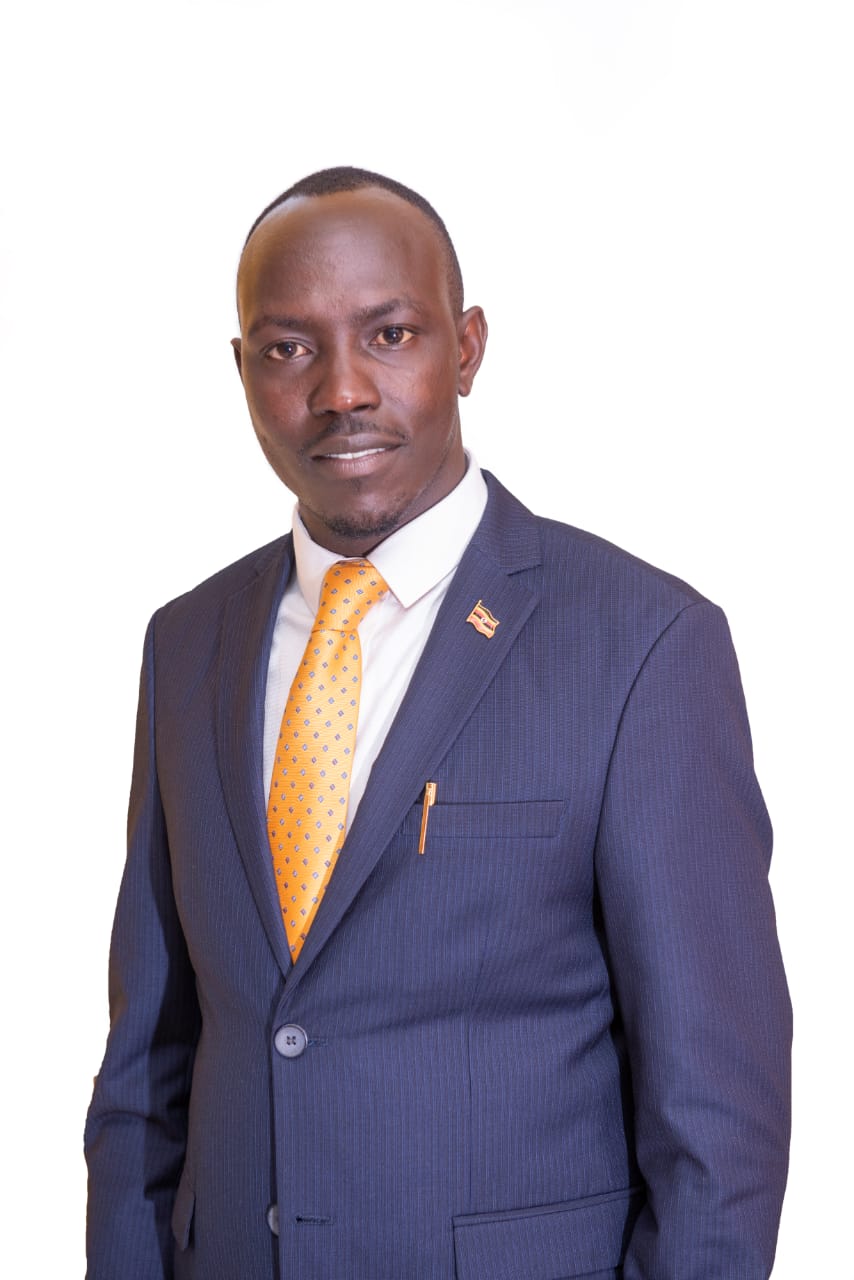
Member of Parliament for Kole North, Dr. Samuel Opio Acuti, spoke of the rankings, thanking the Office of the Prime Minister for the comprehensive assessment. He acknowledged Kole district’s progress but emphasized the need for continued effort.
Dr. Acuti noted that the 2025 results represent a significant improvement, as Kole had been ranked last in both Lango and the entire country in the 2024 assessment. “We are very glad to see that Kole is moving forward,” he stated.
He pledged to work diligently with all stakeholders to ensure even better outcomes in 2026.
“We shall unite and work as a team to see that in the 2026 performance assessment, Kole district challenges for the number one spot in Lango and secures a position between 1 and 20 nationally,” Dr. Acuti added.
Last year on October 20,2025, when the State Minister for Energy Okaassai Opolot visited Kole North, he informed the residents of the area that their MP Dr Samuel Opio Acuti had successfully lobbied for $608 million for a nationwide rural electrification project.
The energy funding is provided by the World Bank and the Government of Uganda.
He further indicated that procurement processes were underway to acquire the necessary materials before the project’s rollout
The Minister commended Dr Opio for his close collaboration with the Ministry of Energy in ensuring that government programs such as rural electrification also reach the people of Kole North.
MP Opio noted that an electricity line is already under construction in most parts of Kole North including Apiioguru, Akor Ward Owani Adilo using the government of Uganda funding.
The MP who won a reelection on January 15 has pledged to continue advocating for improved health centres, roads and schools to meet the pressing needs of his constituents.
Discover more from tndNews, Uganda
Subscribe to get the latest posts sent to your email.