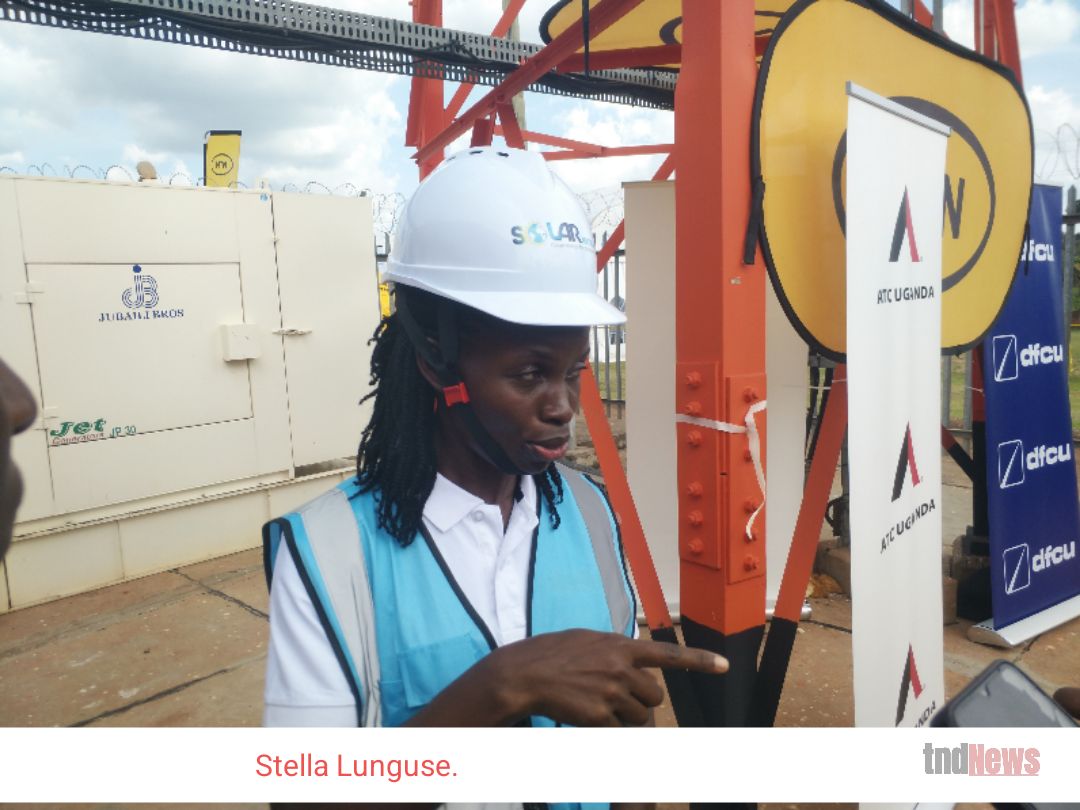
For more than 11 years, Stella Lunguse built a successful career in accounting, working with major institutions including Dark Courier Company, Uganda Chartered Bank and, eventually, the Uganda Revenue Authority (URA).
The job provided prestige, stability and a comfortable life. By her own description, she “had everything” — a good salary, a supportive family, and opportunities to travel the country training staff in customer management systems.
But in 2023, after over a decade of routine work, Stella began to feel unfulfilled. She noticed how few women advanced into leadership, both in private companies and government offices.
 “The joy was gone, I was a certified accountant, but not happy. I wanted something meaningful, something that could solve real problems,” she recalls.
That search led her into the world of technology and renewable energy – a bold career shift that would eventually birth Solar Nation SMC Limited, her women-led clean-energy enterprise now helping communities across Uganda access reliable, sustainable power.
Engineering solutions for Uganda’s energy gaps
Uganda still faces persistent electricity shortages, especially in rural communities. Power blackouts limit digital adoption, hinder business operations and stall innovation. For Stella, the gaps in Uganda’s energy landscape were more than operational problems — they were opportunities to apply technology for social impact.
“I saw villages without power, schools relying on kerosene lamps, and small businesses losing money because of outages,” she said. “I knew solar technology could change that.”
Her company, Solar Nation, now installs solar mini-grids, home solar systems and solar-powered business units across Northern, Eastern and Western Uganda. The enterprise contributes to Uganda’s wider transition to clean, low-carbon energy systems and supports government green-growth initiatives.
“Clean energy is not just about electricity. It is about technology, innovation and empowering communities to participate in the digital economy,” Stella emphasized.
Building a women-led tech enterprise
Stella is now one of the emerging female leaders in Uganda’s growing STEM ecosystem. As managing director of Solar Nation, she encourages other women to embrace technology entrepreneurship.
“Women should stop asking for favors and start believing in their abilities; technology in the future is creative, get out of your comfort zone, and build solutions that matter,” she said.
She credits her accounting and ICT training as foundational skills that gave her the confidence to venture into tech entrepreneurship.
Stella’s story unfolded alongside a major milestone for women-led tech enterprises in Northern Uganda.
On 20 November 2025, MTN Uganda, MTN Mobile Money, the American Tower Corporation (ATC), DFCU Bank and The Innovation Village launched the Application for Women Entrepreneurs (AWE) — a new digital platform designed to accelerate women’s participation in STEM-driven businesses.
The launch, held at Unifat Primary School in Gulu City, attracted local leaders and dozens of women innovators.
Gulu City Mayor, Alfred Okwonga, the chief guest, said the region is ready to embrace technology as a driver of economic transformation.
“We are still behind in technology adoption, but programs like AWE will help Acholi women grow competitive enterprises and lift the region out of poverty,” he said.
He urged development partners to intensify support for small-scale women-led businesses, especially through digital infrastructure and financial access.
MTN Uganda CEO Sylvia Mulinge reported that over 118 women-owned enterprises have already joined the first AWE cohort, representing a combined investment of UGX 18 billion.
“Women in Northern Uganda are determined. Through innovation programs, capacity building in technology, and business management, we are helping women harness digital tools to compete in the modern economy,” Mulinge said.
She noted ongoing challenges, especially cultural norms that discourage women from taking leadership roles in tech, but promised that the second cohort will focus on shifting mindsets and expanding STEM mentorship.
DFCU Bank pushes for digital financial inclusion
DFCU Bank, one of the program partners, emphasized the importance of digital access in closing gender gaps in enterprise growth.
According to Annette Kiconco, Chief Retail Banking Officer, 40% of Uganda’s businesses are owned by women, yet over 80% remain small, informal, or unable to employ five or more people.
“The issue isn’t just capacity; women need technology, digital markets, networks and financial tools to scale,” she said.
DFCU Bank highlights its commitment to gender equality, with women making up more than half of its management committee. Since 2007, the bank reports supporting over 80,000 women entrepreneurs with financial solutions, mentorship and business training.
For Stella Lunguse, the clean-energy entrepreneur, technology has become both a personal and national mission.
“Walking away from accounting helped me discover purpose,” she says. “Solar technology is giving power to families, protecting the environment and enabling small businesses to thrive. This is how we transform Uganda’s economy.”
Her journey from URA customs officer to STEM innovator reflects a growing movement of Ugandan women using technology to change their communities, redefine leadership and build a more sustainable future.
Discover more from tndNews, Uganda
Subscribe to get the latest posts sent to your email.