The Government of Uganda has launched a transformative infrastructure initiative to improve rural connectivity and boost agricultural productivity among the oilseeds benefiting districts.
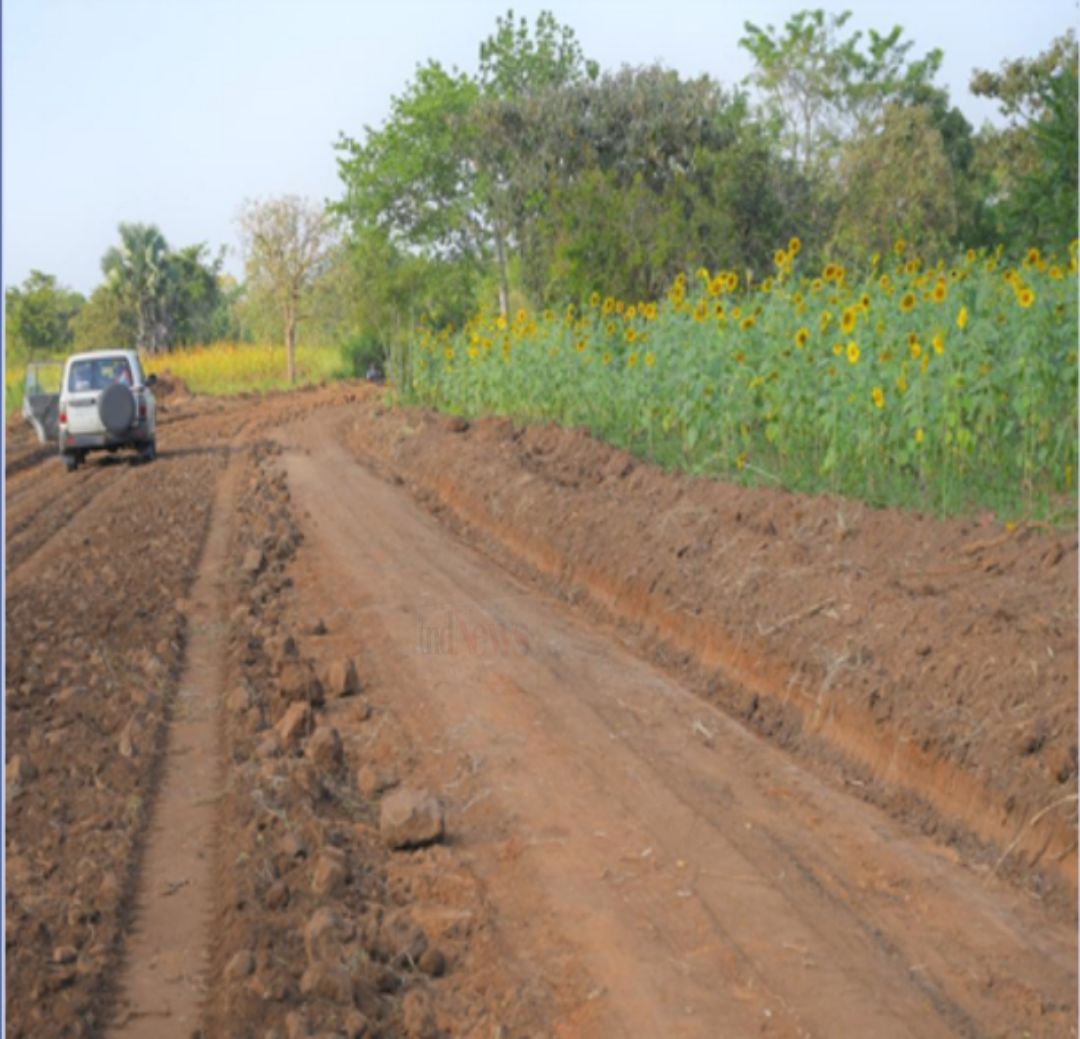
Through the National Oilseeds Project (NOSP), the Ministry of Local Government (MoLG), in partnership with the Ministry of Agriculture, Animal Industry and Fisheries (MAAIF), is constructing and rehabilitating Community Access Roads (CARs) across 81 districts.
Funded by the International Fund for Agricultural Development (IFAD), OPEC Fund for International Development (OFID), project beneficiaries with a total funding of USD 129.56Million.
Started in 2021, NOSP is a seven-year Project designed to accelerate commercialization of key oilseeds value chains namely sunflower, soybean, sesame, and groundnuts.
The project focuses on improving market access, resilience, and livelihoods of 120,000 smallholder farmers focusing on inclusivity with 60% women and 40% youth and men. Beneficiaries are provided with improved seeds, machinery, irrigation, and training.
The road works are part of a broader Component 2 of NOSP, which targets the construction of 2,500 kilometers of CARs connecting farmers to Processing Centers and enhancing the efficiency of Uganda’s 113 Private Oilseed Mills.
These efforts aim to raise mill utilization from 45% to 85% and could save Uganda UGX 1 trillion annually by reducing reliance on imported edible oils.
As of June 30, 2025, over 1,034 kilometers are under active construction. The physical progress of ‘Batch A’ roads, comprising 82 lots, has reached 82%, with the earliest projects expected to be completed by August 2025.
The Project was officially launced in Otuke district on June 25, 2025, where the chief guest, Vice President Jessica Alupo was represented by Susan Abeja, the district’s woman Member of Parliament.
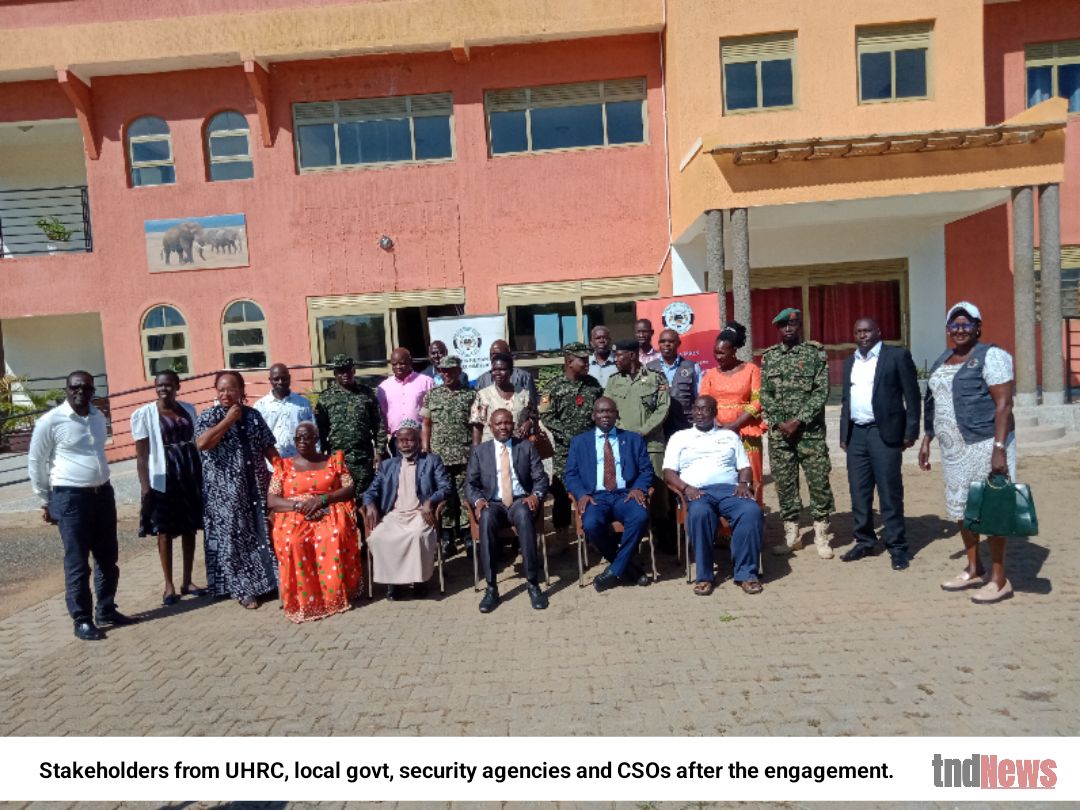
The event drew high-level attendance led by the Project Coordinator Hajji Yasin Sendaula and the Project Manager Cris Gumisiriza, Political and technical leaders across- including RDCs from Lango sub-region were present.
The Commissioner for Local Economic Development, Anthony Namara, represented Ben Kumumanya, Permanent Secretary for the Ministry of Local Government.
In his address, the Permanent Secretary emphasized, “This road directly supports two key pillars of the Parish Development Model Pillar 1 on Production, Storage, Processing and Marketing, and Pillar 2 on Infrastructure and Economic Services.
“As a government, we are aligning development efforts to make a real impact on household incomes and improve livelihoods across Uganda.”
On his part, Minister of Local Government Raphael Magezi applauded those who made time to attend the launch of the CAR linking Ogor village to Atat village totaling 16.9 kilometers.
“Like any organs of government, the mission of the Ministry of Local Government is to contribute to the wealth creation and employment among Ugandans by providing opportunities and a conducive environment for doing business,” he said.
Meanwhile, the Vice President, in a speech read for her by MP Abeja, said NOSP is a multi-sectoral project supporting oilseeds value chain development. “With all these investments in infrastructure, we are not just securing the future, we are now racing into the future; a future where more opportunity is for the youth, the entrepreneurs, for our farmers, for our goods can be enhanced; where the economy will thrive.”
A notable case is Bukwo district covered on May 15, 2024, where a 3.4-kilometer road and a pedestrian bridge over the flood-prone Bukwo stream are under construction. Prior to the bridge, locals relied on makeshift footpaths, particularly in emergencies.
With the new infrastructure, travel time to the main road has dropped to just 20 minutes.
“We used to struggle crossing the river during rainy seasons. Now we are hopeful,” said Mr. Wani Benon, a simsim farmer in Koboko district, where another 3.4-kilometer road is in its early construction phase.
“Once this bridge is complete, we’ll transport our produce to markets more easily, and children will reach school safely,” Wani added.
Awor Sophia is farmer from Ogor village, Otudu parish, Otuke. She was excited when the government launched the rehabilitation of a road passing through Wii-akojo (swamp).
“Today, I am seeing development in Ogor here. I grow simsim, sunflower and soyabean. This road will help us in business and in other ways.”
The roads have been prioritized based on oilseeds production potential and community needs. Construction follows a labor-based model, creating jobs and building skills for local youth and women.

Communities are also directly involved through PDCs, ensuring that roads are built to standard and maintained afterward.
Stakeholders urge tighter procurement oversight, faster input delivery, and expanded training for farmers and Parish Development Road committee training that has already delivered impact on social and economic benefits.
With completion on track for August 2025, the initiative is set to unlock new opportunities for Uganda’s rural farmers and reinforce the government’s commitment to agricultural transformation.

“These roads are more than infrastructure, they are pathways to better lives and Economic Development,” Yasin Ssendaula noted. “They’re connecting people to markets, services, and a future filled with opportunity.”
Discover more from tndNews, Uganda
Subscribe to get the latest posts sent to your email.