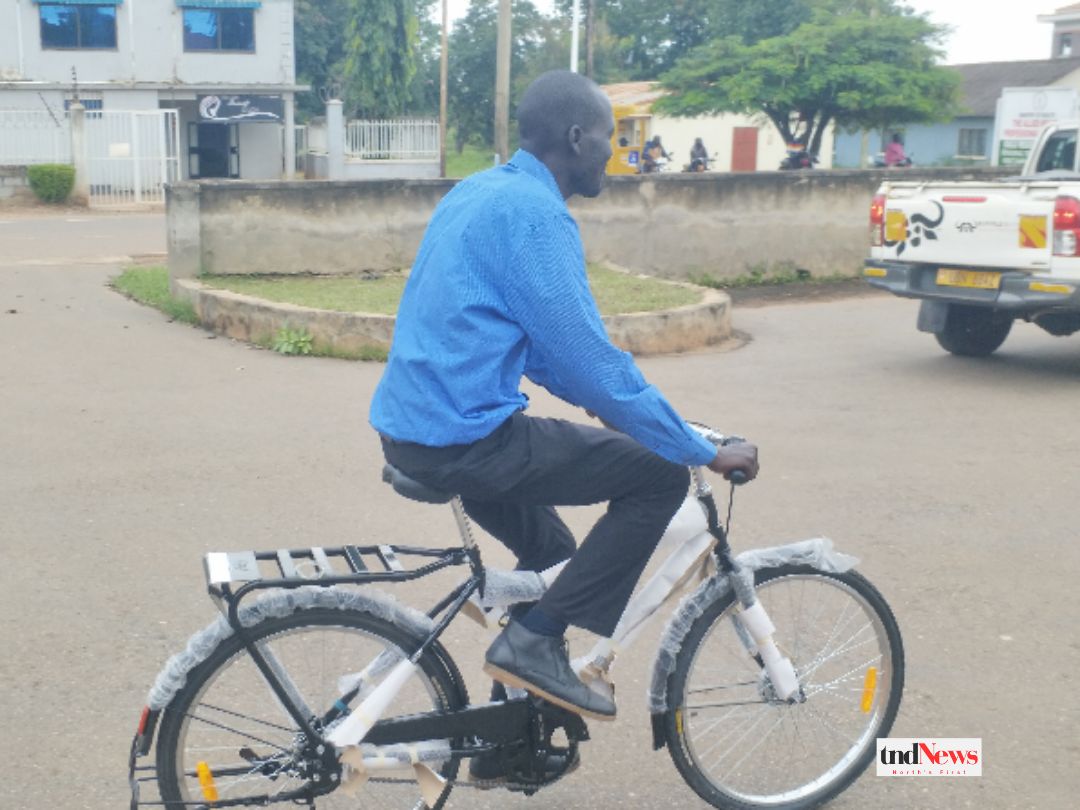
In a bold move to curb rampant wetland degradation, the Government of Uganda through the Ministry of Water and Environment has partnered with Buffalo Bicycles Uganda Ltd to provide bicycles as a practical transport solution for monitoring wetlands in the Acholi sub-region.
Last week in Gulu City, 35 modern bicycles were donated to parish chiefs and members of wetland protection committees in Gulu and Kitgum districts. The initiative, which is being piloted in the two districts, is part of a broader national campaign to achieve zero wetland degradation across Uganda.
In Gulu City, wetlands critical for flood control and biodiversity are under intense pressure, with encroachment fueled by population growth and weak enforcement mechanisms.
Local authorities say the new bicycles will help bridge the mobility gap for frontline workers monitoring government environmental programs.
Adyero Gladys, Parish Chief of Lulwa Parish in Orom sub-county, Kitgum district, expressed gratitude to the government and the ministry for the support.
“For a long time, we’ve lacked means of transport, which has hindered our ability to monitor and report on government programs effectively. Sometimes we walked over 5 kilometers on foot or borrowed transport from friends. These bicycles will greatly enhance our efficiency,” said Adyero.
She added that the bicycles will not only aid enforcement but also raise awareness about the importance of conserving wetlands in the community.
“We shall use them to sensitize the public against using wetlands for destructive farming. Our goal is to restore and protect the wetlands in Acholi,” she emphasized.
Adyero also cited dangers from wild animals during patrols and said the new bicycles will allow officers to travel more quickly and safely.
Andrew Tiga, a member of the wetland protection committee in Awoyo-Nyim village, Owor sub-county, Gulu district, noted that during the dry season, most wetlands are cleared by local youth and outsiders for farming activities. He warned that such practices are endangering aquatic ecosystems and worsening climate patterns in Acholi.
“Many residents are farming in wetlands growing sugarcane and vegetables for food and incomeunaware that they are violating environmental laws and risking long-term damage,” Tiga said.
He urged the ministry to recruit more staff across the sub-region to support the wetland monitoring efforts. “This is the first time we are being involved in such an initiative. The government should scale it up,” he added.
Tiga also pointed out a practical benefit of the bicycles: improved physical health. “We’ll now be riding long distances, which keeps us fit while doing our job,” he said.

However, he called on the ministry to provide a small operational budget for essentials like airtime and data, noting that in the digital age, field reports must be typed and formally submitted, not delivered verbally.
Gabriel Kilama, Program Manager at Buffalo Bicycles Uganda Ltd, confirmed that the partnership with the Ministry of Water and Environment was initiated to address logistical gaps that were delaying timely monitoring and reporting.
“There were serious concerns from the ministry over delayed data due to lack of transport in rural areas. That’s when they engaged us to provide support with 35 modern bicycles to close the gap,” Kilama said.
Kilama explained that the shs246 million project includes not only the bicycles but also support services like local mechanic training and setting up nearby spare parts shops for easy maintenance.
“As much as we are addressing transport challenges, we’re also training beneficiaries in road safety. Each bicycle comes with guidelines to minimize road accidents,” Kilama added.
Joseph Ongol, Assistant Commissioner in charge of the Wetlands Management Department, admitted that poor mobility has hampered access to remote wetlands.
“Most areas cannot be accessed by vehicles, prompting us to seek alternative transport solutions. Bicycles offer a practical and low-cost way to reach those areas,” Ongol said.
He revealed that Uganda is planning to restore all degraded wetlands by planting trees along wetland buffers and using mass media like radio and TV for public awareness campaigns.
According to Ongol, research shows that 20% of wetlands in Acholi have been degraded, a less severe figure compared to areas like Bukedea District, where 70% of wetlands are lost. In Gulu City alone, over 60,000 hectares of wetlands have reportedly been lost to farming and settlement.
“Without strict regulation of agricultural and settlement activities, Acholi risks serious water and food contamination in the near future,” Ongol warned.
Nationally, Uganda has reduced wetland cover from 15.6% to 13.6%, losing about 9,000 square kilometers to human activities. Only about 22,000 square kilometers of wetlands remain intact.
Florence Alanyo Anna, Assistant Resident City Commissioner of Gulu District, called on Acholi residents to take environmental protection into their own hands.
“Communities must monitor wetlands themselves and report violations to authorities. Don’t wait for officers. As presidential representatives, we’ll take firm action against anyone misusing the bicycles or neglecting their duty,” Alanyo said.
She stressed the need to change negative mindsets and local ignorance that continue to fuel wetland destruction.
“People must understand that degrading wetlands is not only illegal but also harmful to our future. It disrupts weather patterns and endangers public health,” she concluded.
Discover more from tndNews, Uganda
Subscribe to get the latest posts sent to your email.