Cultural leaders in the Acholi sub-region have vowed to confront a troubling and mysterious trend: families and individuals abandoning the bodies of their deceased relatives.
In Acholi culture, the dead are treated with deep reverence, and failing to bury them properly is considered a serious taboo—one believed to bring misfortunes upon families and communities.
Despite the rich and respected traditions of the Acholi, which are considered among the most distinctive of Uganda’s ethnic cultures, cultural practices around death and burial are slowly eroding.
This decline has raised concerns among elders, who warn that the spiritual consequences of neglecting the dead could be severe.
Acholi people, a Nilotic group from the Luo ethnic lineage, migrated from South Sudan and now inhabit ten districts in northern Uganda, collectively forming the Acholi sub-region with a population of about 2.5 million.
Their culture includes elaborate rituals, traditional healing practices, food customs, and dance, all rooted in a profound respect for the deceased.
A shift away from tradition
In recent years, local authorities and health workers in Gulu City have reported a growing number of unclaimed bodies left in hospitals and mortuaries.
This is a sharp departure from traditional Acholi beliefs, which emphasize that the dead must be honored and buried with dignity to maintain harmony between the living and the ancestral world.
Nyeko Martin, 73, from the Koyo chiefdom, recalls a time when great care was taken to ensure the dead were buried properly.
“A dead person is still considered spiritually alive—that’s why they should be buried at home,” he said. “Failure to do so can invite misfortunes to the family.”
Nyeko partly attributed the trend to the rise in abandoned pregnancies, particularly among sex workers, whose deceased infants are often left in hospitals. He also pointed to broader shifts in caregiving roles.
“In the past, elders were responsible for caring for patients in hospitals. They were emotionally mature and could handle communication with the family in case of death,” he explained.
He urged cultural institutions and chiefdoms to raise awareness about the dangers of corpse abandonment.
Adoption of foreign practices
Ojwiya James Okot, 70, is s mediator at the Acholi Cultural Institution. He has criticized the adoption of foreign burial practices—such as using machines to lower bodies into graves—as contributing to the loss of cultural values.
“Our culture requires that the body be carried by relatives to show love and respect. We used to bury bodies laid on their sides. Now they are laid face up, which is not our way,” he said.
Ojwiya explained that if a cause of death is unclear, the body is traditionally buried with the head facing away from home to signal the spirit to seek out the cause of death and avenge it.
He also condemned practices such as burying the dead with metallic objects or red cloths—considered spiritually dangerous.
“These days, educated Acholi try to emulate foreign cultures. But in Acholi tradition, you do not abandon your dead, even if they were thieves. Their spirits will cause misfortunes,” he added.
Ojwiya also noted that some young men avoid claiming their deceased wives’ bodies for fear of dowry obligations. “That’s a terrible mistake in our culture,” he warned.
Struggles with management and cost
Gulu City Council Clerk, Innocent Ahimbisibwe said the law mandates local councils to bury unclaimed bodies, but they face financial and logistical challenges.
“There’s no dedicated budget. Finding people willing to bury the dead is difficult because it is considered dirty work,” he said.
Ahimbisibwe advised the public to avoid postmortem examinations unless they can afford the costs, as failure to pay often leads to bodies being detained and eventually buried by authorities.

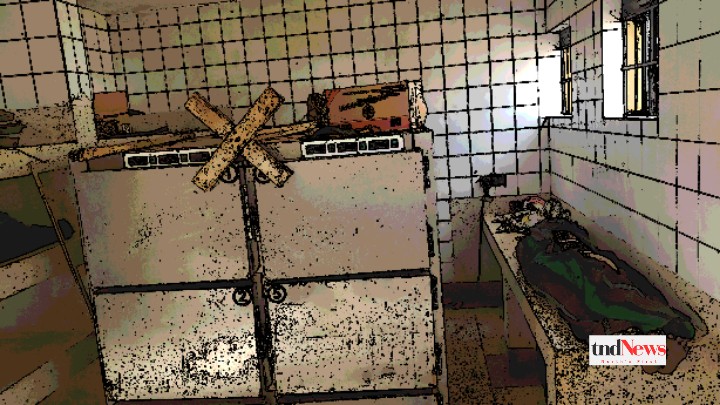
George Oroma, a mortuary attendant at Gulu Regional Referral Hospital, confirmed that about three unclaimed bodies are recorded weekly. He blamed incomplete patient records and malfunctioning cold storage units for the challenge.
“Our mortuary fridges only preserve bodies for one day. Many are brought in by good Samaritans or police, and we can’t trace their families,” he said.

Ogwang Patrick, acting principal health officer in charge of waste management and environmental health in Gulu City, said unclaimed bodies—often from Amuru, Omoro, and Nwoya districts—are now handled as environmental waste.
“The council buries unclaimed bodies informally, without rituals. That is against our culture. Rituals are only performed during reburials by relatives,” Ogwang explained.
He disclosed that Gulu City Council receives over 100 unclaimed bodies annually, costing about 660,000 Ugandan shillings weekly—between 178,000 and 220,000 shillings per burial. The council is currently struggling to pay contractors for 19 unburied bodies.
“With only 10 million shillings allocated annually for the health department, managing unclaimed bodies is a growing burden. Worse still, the funds depend on the revenue generated by the council,” Ogwang added.
Discover more from tndNews, Uganda
Subscribe to get the latest posts sent to your email.