Inside a brightly lit office, Grace Adyero, a young woman with a determined glint in her eyes, scrolled through her phone.
Adyero was not scrolling through social media; instead, she was reviewing a micro-insurance policy for her small tailoring business, a process that would have required navigating labyrinthine paperwork and frequently inaccessible physical offices just a few years ago.
Adyero’s ease was a testament to a quiet revolution taking place in East Africa, with digital innovations permeating the entire insurance value chain.
For years, insurance in East Africa was largely the domain of the affluent and the formally employed; high premiums, complex policy documents and a lack of trust in traditional institutions created a significant protection gap for the vast majority of the population, particularly those in rural areas or the informal sector.
“The insurance value chain, then, from product development and distribution to underwriting, claims processing and customer service was often clunky, paper heavy and inefficient,” Adyero noted.
The rise of mobile technology, the increasing internet penetration and a burgeoning tech ecosystem have become powerful catalysts for change.
East Africa with its youthful population and widespread mobile money adoption has become a fertile ground for innovation and the insurance sector is finally catching up.
Previously, traditional models relied heavily on agents and brokers limiting reach and increasing costs; now mobile-first platforms are democratizing access.
Companies like BIMA, though operating globally, have a strong presence in East Africa partnering with mobile network operators to offer simplified, low-cost insurance purchase coverage with a few taps often paying via mobile money-a system already deeply ingrained in the region’s financial landscape.
BIMA is a global provider of mobile-delivered insurance and health services in emerging markets, and in East Africa, it has a presence in Ghana, but the specific nature of their operations in other East African countries, such as Kenya, Uganda and Tanzania is not explicitly available.
Charles Luo, Audit & Assurance team leader at East Africa Financial Institutions Services noted in their Insurance Outlook Report 2025 that Tanzania’s general insurance sector saw continued expansion with its overall GWP increasing to USD 373 million; a 6.2% rise from USD 351.2 million in 2022.
Luo explained that there was an 11% decrease in equity stagnating the return on equity from year 2022 and the general insurance industry incurred increased underwriting losses in 2023 due to increased frequency of claims and higher underwriting expenses leading to higher-than-expected payouts.

Infographic Illustrating Market Share Distribution among the Different Insurers in Tanzania.
John Mukasa, a Ugandan rural farmer’s move to insure his maize crop against unpredictable weather was an impossibility since the nearest insurance office was hours away, the paperwork daunting and the premiums prohibitive.
Now, Uganda Agricultural Insurance Scheme through Agro Consortium aims at providing subsidized agriculture insurance to farmers, mitigating financial losses due to various agricultural risks, John receives SMS alerts about weather patterns and can purchase crop insurance directly through his mobile phone, with premiums linked to his mobile money account.
“This is not just about convenience, it is about resilience in the face of climate change; beyond the digital marketplace and aggregators are also emerging; allowing us to compare offerings from multiple insurers in one place,” Mukasa revealed.
According to Mukasa, this has fostered transparency and competition while empowering them (consumers) to make informed choices and these websites and apps are becoming the first point of contact for many potential policyholders, bypassing the need for physical visits or lengthy phone calls.
Nyimpini Mabunda, the CEO for Southern Africa at General Electric told CEOs during the Continental Re CEO conference in Cape Town in 2025 that the impact of digital innovation is now being felt in product development.
Nyimpini explained that insurers should move to leveraging data and analytics to create more tailored and affordable products; hence, micro-insurance, once a niche offering expanding rapidly covering everything from health and life to agriculture and livestock.
“Parametric insurance which pays out automatically based on pre-defined triggers like rainfall levels or temperature is particularly relevant to climate shocks,” Nyimpini noted.
“Digital platforms facilitate the collection and analysis of the data needed to design and price these innovative products effectively,” he added
According to experts, a company might use satellite imagery and weather data to develop a drought insurance product for pastoralists in northern Kenya; and the digital infrastructure allows them to collect this data, model risk, and automate payouts when specific conditions are met, bypassing the need for lengthy loss assessments.
In Ethiopia, insurance penetration has sadly declined from 0.7% in 2002 to 0.6% in 2022 indicating that the insurance sector is losing ground relative to the rest of the economy.
In addition, life insurance which represented 6% of total premiums in 2007 and remains at 5% in 2023 with fewer than 0.5% of the population estimated to have access to formal life insurance products and the government-owned Ethiopian Insurance Corporation (EIC) increased its position as the dominant insurer at 44% of total gross written premiums in 2022 compared to 42% in 2007; with estimates suggest that Iddir (informal community insurance initiatives) continue to be used by about 80% of the population.

Infographic illustrating the market share of different insurance players in Ethiopia.
Traditionally, underwriting a manual and time-consuming process is also being transformed. These digital applications allow for faster data collection and processing with AI and machine learning algorithms being used to analyze risk profiles, automate approvals for low risk policies, and flag potential fraud.
“Think of a young entrepreneur in Rwanda applying for business insurance, instead of filling out reams of paper and waiting weeks for approval, she can complete an online application, upload documents digitally and receive a quote and potentially even approval within a matter of hours,” experts noted.
For many, filling a claim has been the most frustrating part of the insurance experience with long queues, lost paperwork and opaque processes often leading to delays and disputes.
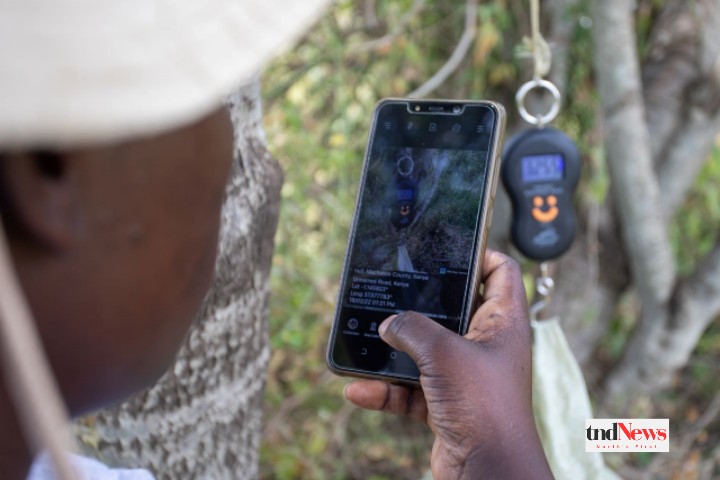
Digital claims platforms are changing this since customers can now initiate and track claims through mobile apps or online portals and they can upload photos and videos of damage and communicate directly with claims adjusters and receive updates on the status of their claim in real time.
Patrick Oyet, a taxi driver in Amuru district, northern Uganda, involved in a minor accident and instead of spending hours at the police station and then navigating complex insurance procedures, he can use his insurance app to report the accident.
“I can now easily take photos of the damage and even connect with a repair shop from a pre-approved network and this streamlined the process and reduces stress and gets him back on the road faster minimizing my loss of income,” Oyet explained.
He added: “This not only speeds up the process for customers but also improves efficiency and reduces costs for insurers and this agility is crucial for small and medium-sized businesses and the backbone of East African economies.”
Furthermore, the use of telematics and Internet of Things (IoT) devices is beginning to influence claims and risk assessment particularly in motor insurance, with devices installed in vehicles to track driving behavior allowing for usage-based insurance models and providing valuable data in the event of an accident potentially speeding up claims processing and preventing fraudulent claims.
John Ken Okot, a journalist and a policyholder with Case Medinsurance company in Uganda, told this publication that the insurance customer service is also undergoing a digital facelift.
“Chabot and AI powered virtual assistants are providing instant support; answering frequently asked questions and guiding customers through processes,” Okot said.
He added that online portals allow customers to manage their policies, update information and access support resources 24/7; this shift from reactive and accessible customer service is building trust and improving customer satisfaction.
According to Okot, the digital transformation has made access to his insurance policy and plans easier, noting that he can easily access the required information via SMS and emails timely and whenever he needs.
However, digital literacy remains a significant hurdle especially in rural areas and among older generations; though, mobile phone ownership is high and understanding how to navigate complex apps or online platforms can be difficult.
“Insurers and their partners should invest more in digital literacy training and develop user interfaces that are intuitive to use leveraging familiar technologies like SMS and USSD codes,” Okot urged.
The future outlook
The future of insurance in East Africa looks promising with digital pathways paving the way for greater inclusion, as mobile penetration continues to rise and digital literacy improves, more individuals will have access to affordable and relevant insurance products.
Further, the success of initiatives like M-Pesa and the growth of insurtech startups demonstrate the potential for technology to transform the insurance sector, thus, by continuing to innovate and adapt to the needs of the population, the insurance industry can play a pivotal role in enhancing financial resilience across East Africa.
However, as mobile networks are expanding, consistent and affordable data access remains a challenge for some, particularly in terms of reliable internet connectivity in remote areas which have also hindered widespread adoption.
As digital insurance models evolve, regulators are grappling with issues like data privacy, cybersecurity, and consumer protection in the digital space and balancing innovation with the need to protect consumers is a delicate act.
Despite these challenges, the digital transformation of the insurance value chain in East Africa is not just about adopting new technologies; it is about building a more inclusive, efficient, and resilient insurance sector and reaching the underserved through empowering individuals and businesses; hence ultimately providing a safety net that was previously out of reach for many.
Therefore, the success stories of individuals like Okot, Oyet, Mukasa, and Adyero are not isolated incidents; they represent a growing movement where technology is bridging the gap between risk and protection.
As digital innovations continue to evolve and penetrate deeper into the fabric of East African societies, the potential for the insurance sector to contribute to economic growth, poverty reduction and improved well-being is immense.
Thus, the journey is ongoing with innovation in areas like block chain for enhancing transparency and the use of big data and predictive analytics for personalized risk assessment and product development; hence, the future of insurance in East Africa is undoubtedly digital and promising a landscape where protection is accessible, affordable, and tailored to the unique needs of its diverse population.
The hum of the boda-boda may still be the sound of daily life, but the silent click of a mobile app purchasing insurance is becoming more common, a quiet but powerful symbol of a region moving toward a digitally driven future.
Discover more from tndNews, Uganda
Subscribe to get the latest posts sent to your email.