Gulu | Uganda Women’s Cancer Support Organisation (UWOCASO), in collaboration with St. Mary Hospital Lacor, Soleterre Foundation, Uganda Child Cancer Foundation, and AFRON Oncology for Africa, will host a cancer awareness bicycle ride [marathon] in September.
One of the marathon’s primary goals is to reduce the high cancer burden among children and women in northern Uganda.
Under the theme “No More Advanced Cancer,” this marathon will begin on Sunday, September 8, 2024, at the Kaunda grounds. The event will also serve to re-emphasize the importance of physical activity in cancer prevention, according to the organisers.
There will be free testing and treatment for cervical, breast, and childhood cancers, as well as prostate screening.
According to the Global Trends Cancer Cases 2022 report, cancer is the leading cause of death worldwide, accounting for 20 million [new] cases and 9.7 million deaths in 2022.
Low and middle-income countries were responsible for 70% of cancer deaths that year. It is estimated that 13 million people will die from cancer worldwide by 2030.
In Uganda, over 35,968 new cancer cases were reported, with 24,629 fatalities. A 2022 report stated that children between the ages of 0 and 14 accounted for 10% of these deaths, while cervix cancer accounted for 28% and prostate cancer for 7.5%.
According to the Uganda Cancer Institute’s 2023 report, they received over 700 new cancer cases, the vast majority of which were children.
Another record from the Institute revealed that only 7,400 cancer patients in Uganda can always receive comprehensive cancer treatment at the Kampala facility.
Dr. Godfrey P Kingston Ojok, deputy medical director for community health at Lacor Hospital, talked about the marathon. He stated that it has come at the appropriate time to save a child’s life.
Cancer is one of the top ten killer diseases at Lacor Hospital, according to Dr. Ojok, and the high number of cases means that there is an extra burden to be managed.
He also stated that the cancer burden in this region [north] is causing economic hardship for our families. “When a child is diagnosed with cancer and admitted to the children’s ward, parents will spend more money.”
He revealed that local communities are now hiding themselves in order to avoid being screened and detected at an early stage. “Instead, they wait until the later stage, where if a child receives treatment for more than a year, it results in poor academic performance and contributes to the rapid spread of cancer.”
“Lack of nutrition in children and financial crisis in the family have now contributed to cancer patients receiving adequate regular treatment,” he told tndNews.
The Sloeterre Foundation has supported over 750 children with cancer between 2016 and 2024, according to Adrian Ssaci, the organization’s national representative.
Ssaci also stated that cancer in children is common in northern Uganda, expressing hope that “it is curable if detected early and additional early treatments are implemented.”
It is now widely accepted that the majority of cancer patients do not begin or complete treatments due to financial constraints, systems, and social barriers. Some patients lack information about cancer risks and early warning signs, as well as access to alternative medicines.
Community myths or misconceptions, as well as cancer stigma, continue to be a bottleneck in the fight against cancer.
“Studies in this region show that about 30% of cancers are treatable and curable with early detection through timely screening and adherence to treatment, and 30% can be avoided through behavioural and lifestyle changes,” Ssaci stated.
He noted that the language barrier posed by carers in explaining the true facts to doctors has become a major contributor to childhood cancer.
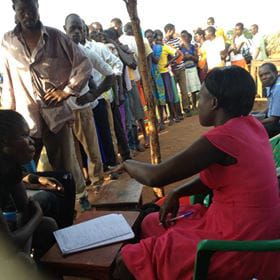
Beatrice Asue, chairperson of UWOCASO, stated that the bicycle rides will raise cancer awareness and combat misconceptions in the Acholi sub-region.
“The UWOCASO and other consortium partners have been actively addressing the gaps for cancer patients through a series of impactful initiatives, with a strong emphasis on raising awareness about cancer prevention and early detection,” she stated.
“We have conducted extensive awareness campaigns in diverse communities across all regions, ensuring that vital information reaches those who need it the most. We also provide a range of support services, including counselling, food, and transportation to patients in need, particularly those from upcountry.”
The chairperson urged the public, government ministries, the Uganda Cancer Institute, the media, development partners, corporate bodies, cancer survivors, and well-wishers to take part in the upcoming bicycle marathon to support cancer in children in Acholi, providing both financial and physical support.
Moses Echodu, programs director for the Uganda Children Cancer Foundation, revealed that each cancer treatment at the early stage can cost more than $15, while full treatments at the later stage can cost up to $1,500, making it difficult for many families to afford.
Echodu stated that there is a high rate of contaminated food consumption in northern Uganda, and that aflatoxins [a lethal chemical in food] can cause cancer.
“We should be interested in doing more research to find out what chemicals farmers use in their crops and the level of contamination in food,” he stated.
Discover more from tndNews, Uganda
Subscribe to get the latest posts sent to your email.