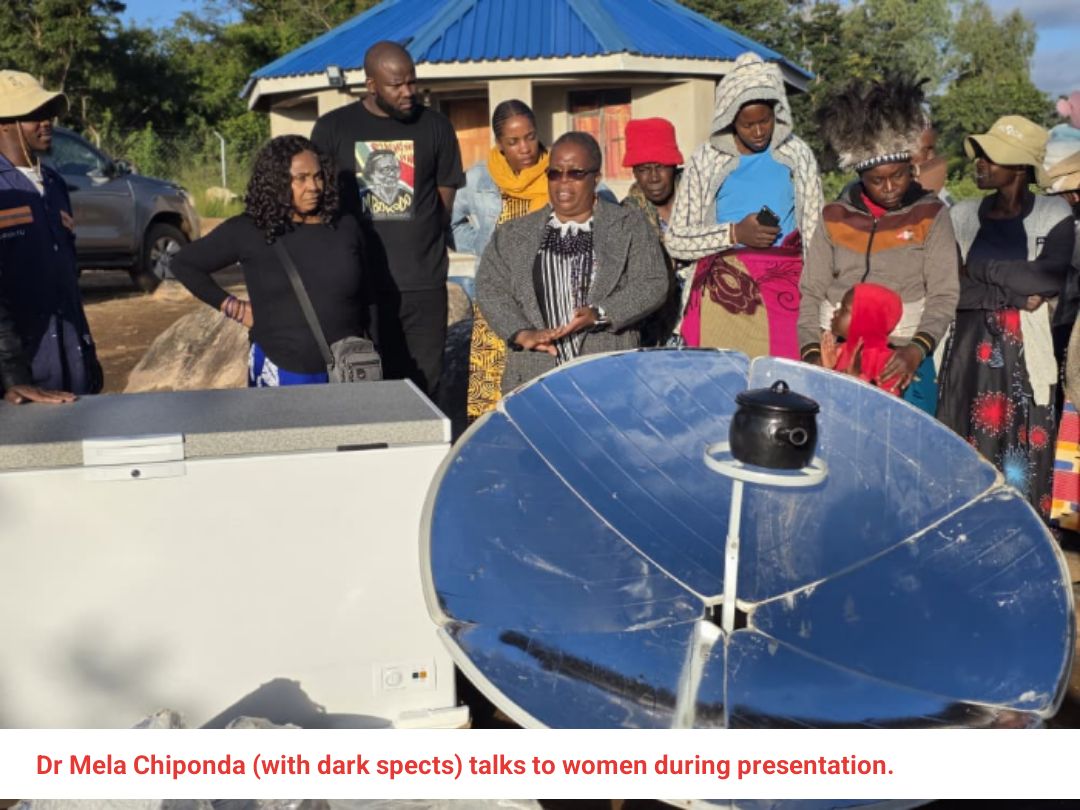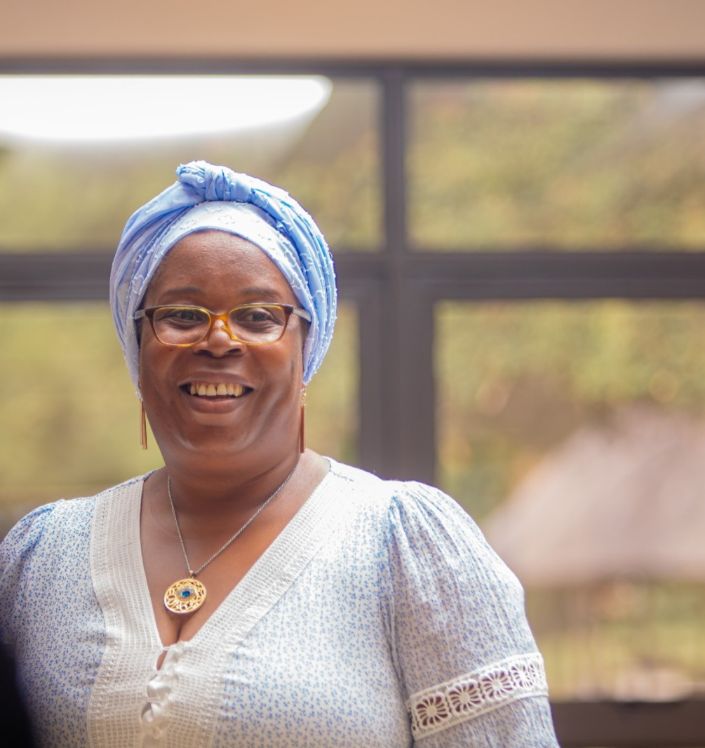
Dr Melania Chiponda: Africa’s green transition must not become a new colonial project
The green economy must not become the latest justification for old injustices. Africa deserves an energy future that is not only renewable but also fair.

North's First

The green economy must not become the latest justification for old injustices. Africa deserves an energy future that is not only renewable but also fair.
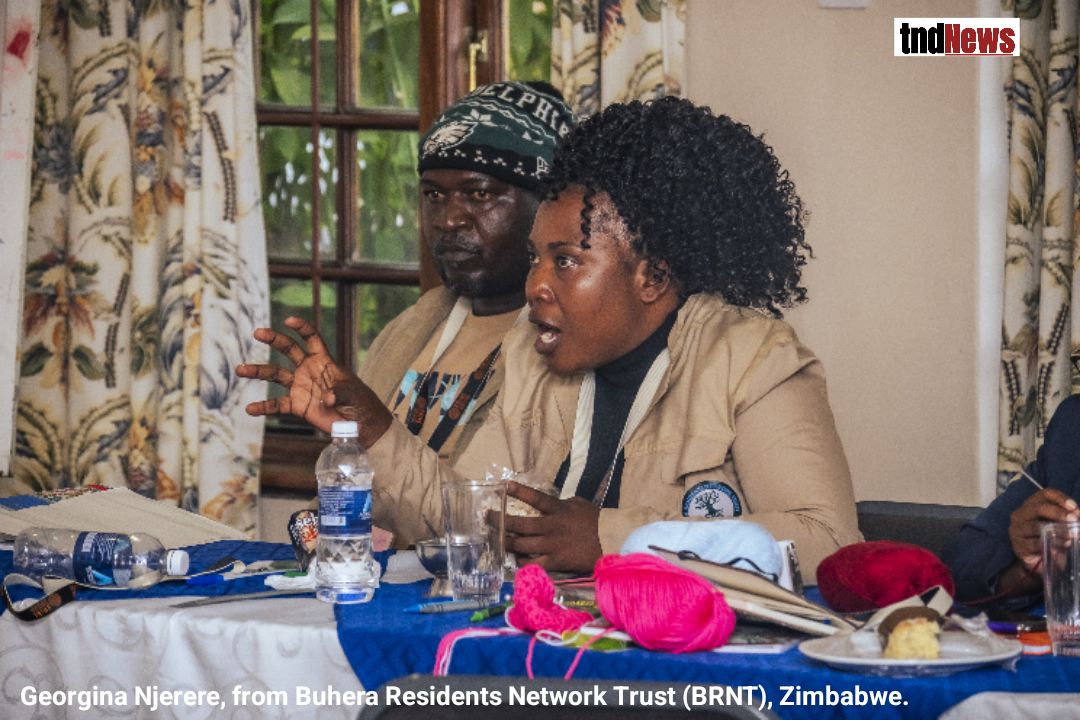
Regional convening in Zimbabwe unites African women’s movements to advance community-led climate justice and feminist alternatives.
Nearly 600 million Africans still lack reliable access to electricity, with Sub-Saharan Africa accounting for 77 percent of the world’s energy-poor population.
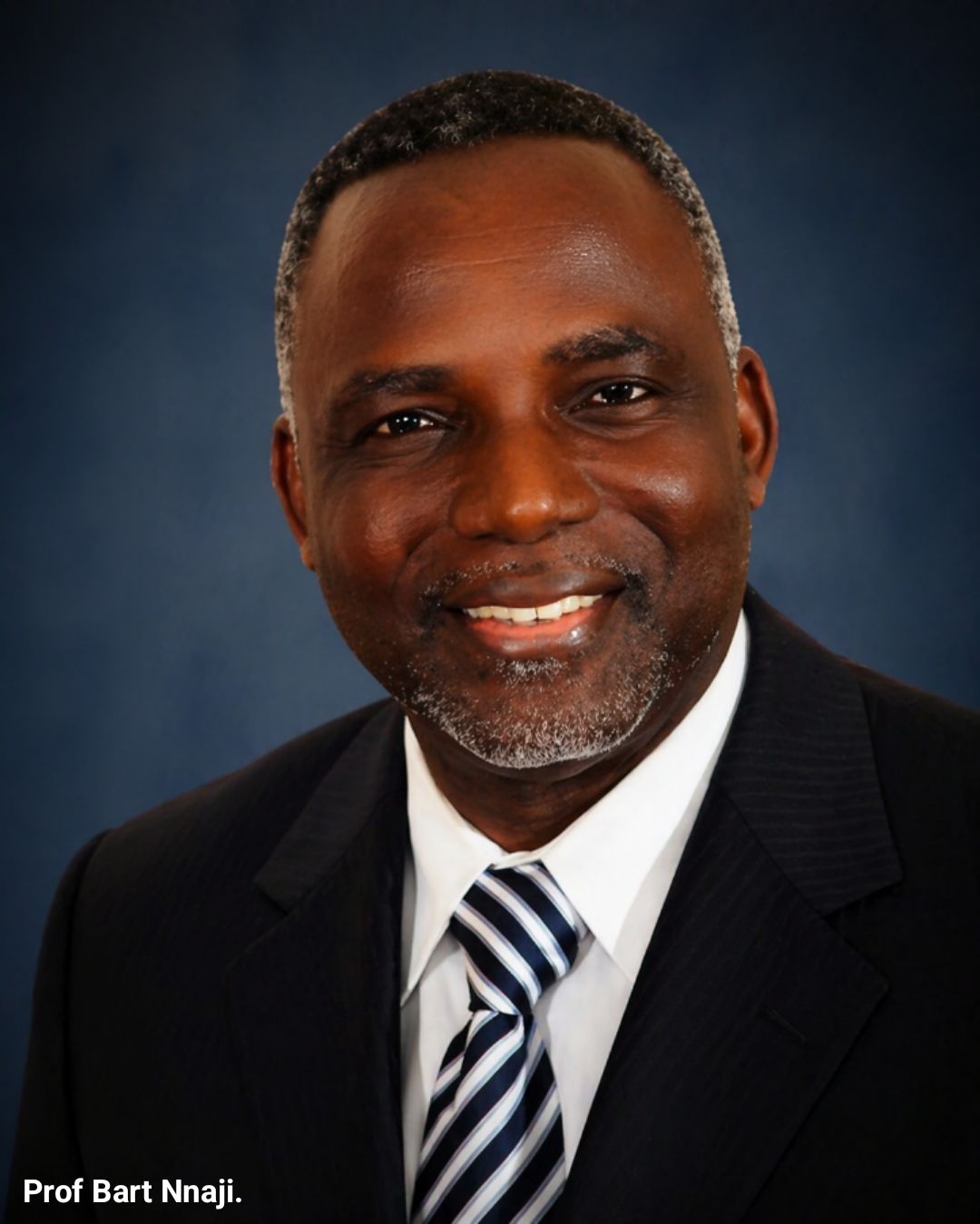
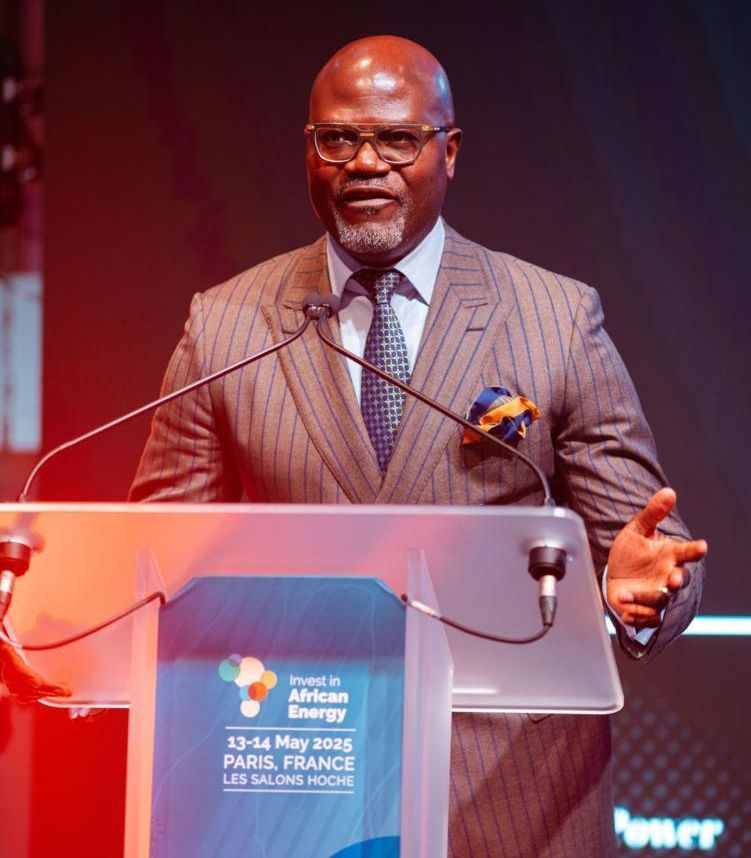
Africa’s energy transition must be shaped by Africans themselves, says Prof. Bart Nnaji.
Energy expert Joab Okanda warned that corruption, weak regulation and delayed infrastructure development continue to frustrate renewable energy investments across the continent.
Civil society organisations, including eco-feminist networks, are now pushing for policies that centre women in critical mineral value chains.
Africa does not reject transition, but insists on one with justice, made possible by good governance.
Manufacturing employment, a key indicator of industrial growth, has increased alongside rising income levels, reflecting patterns seen in other developing regions.
The recent boycott by these ministers reflects a broader belief by the continent that local content must be an integral part of oil and gas operations.
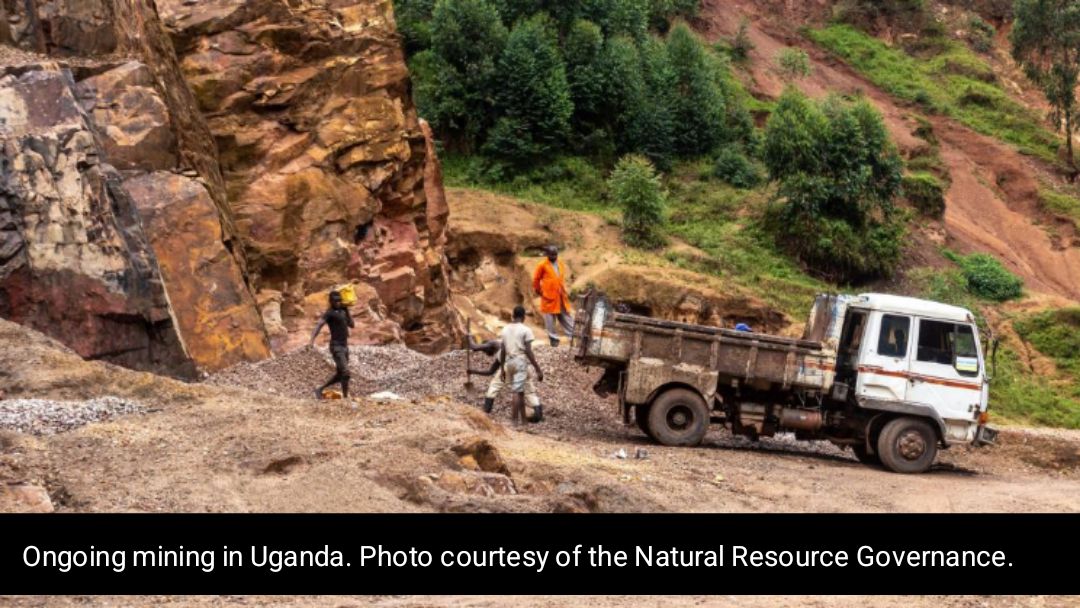
Uganda is seeking strategic investment partnerships to develop its graphite and rare earth resources.
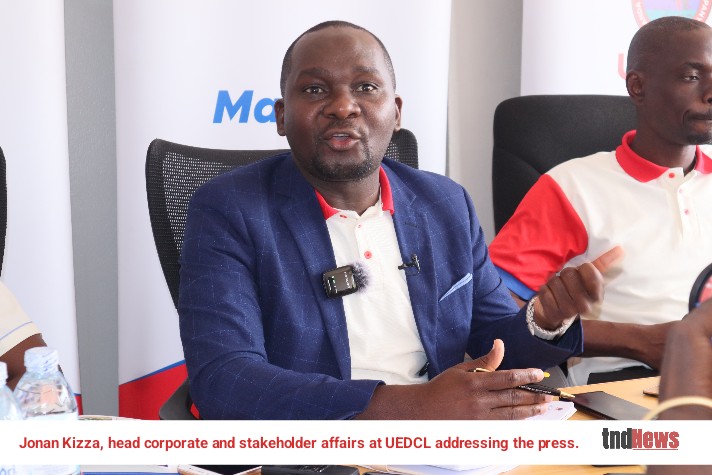
Jonan Kiiza, head, corporate and stakeholder affairs at UEDCL disclosed that the company is counting losses after several electricity distribution poles have been destroyed due to bush burning.
Africa’s downstream energy sector represents one of the last major high-growth frontiers in the global energy landscape.
Kindly write to us to copy and paste this article. Thank you!