Global investors are not drawn by promise alone; they are guided by certainty. While Africa has long been recognised for its vast energy potential, the continent is now laying the groundwork for predictability, the key ingredient needed to unlock large-scale investment.
Nowhere is this more critical than in Africa’s downstream energy sector, which stands at a defining crossroads.
Rapid population growth, accelerating urbanisation and expanding industrial activity are driving demand for fuels and liquefied petroleum gas (LPG) to historic highs. This growth presents a compelling opportunity.
However, without decisive action to address fragmented regulations, inadequate infrastructure and persistent financing constraints, that opportunity risks remaining largely untapped.
Recognising this urgency, the African Refiners and Distributors Association (ARDA) is spearheading efforts to build a modern, coherent and investment-ready downstream ecosystem across the continent.
A demographic surge powering energy demand
Africa’s demographic trajectory is unmistakable. By 2050, one in four people globally will reside on the continent. Whether this population boom fuels economic transformation or entrenches dependence will hinge on investments made today in refining, storage, distribution and end-use fuel systems.
Energy demand projections underscore the scale of the opportunity. Africa’s oil consumption is expected to climb from about 1.8 million barrels per day in 2024 to roughly 4.5 million barrels per day by 2050. Yet downstream investment has failed to keep pace with upstream production.
As a result, Africa continues to export crude oil while importing refined products at a premium—an imbalance that drains foreign exchange and undermines energy security.
According to OPEC estimates, more than $100 billion will be required by 2050 to upgrade existing refineries, expand capacity and develop new projects capable of meeting rising demand. The opportunity is vast, but so too are the structural barriers.
The bankability challenge
Many downstream projects across Africa stall before reaching financial close because they fail a fundamental investor test: bankability. International financiers demand clear and predictable frameworks—secure feedstock supply, guaranteed offtake, stable regulations, enforceable contracts and robust technical and financial models.
They also expect realistic timelines, professional project preparation and strong environmental, social and governance (ESG) credentials.
Instead, investors often encounter inconsistent policies, fragmented markets, congested ports, insufficient storage, currency volatility and misaligned fuel specifications. These risks inflate costs, complicate financing and ultimately deter capital.
Fuel standards and infrastructure: Hidden constraints
Fuel specification disparities represent a lesser-known but critical barrier. Despite having national standards in most countries, Africa still operates with a wide array of gasoline and diesel grades, with sulphur levels varying dramatically.
Aligning standards and upgrading refineries to cleaner fuel specifications would require an estimated $16 billion, but such an investment would unlock regional trade, improve efficiency and generate economies of scale.
Infrastructure limitations further constrain the sector. Shallow ports, congested berths, limited storage and overstretched transport corridors add an estimated $20–30 per tonne to fuel costs.
Even with new refining capacity coming onstream, including large-scale facilities like the Dangote refinery, these logistical bottlenecks prevent efficient supply across the continent, particularly to inland and mining regions. Strengthening pipelines, roads and rail networks is therefore essential to improving energy security and lowering consumer costs.
Clean cooking: An overlooked growth market
Beyond transport fuels, Africa’s clean cooking deficit represents both a humanitarian challenge and a major investment opportunity. More than one billion Africans still rely on biomass for cooking, a figure that has grown significantly over the past decade.
Expanding LPG and bio-LPG solutions could deliver substantial health, environmental and climate benefits while opening one of the world’s most attractive growth markets for clean cooking energy.
ARDA’s vision for an investment-ready sector
As the leading voice of Africa’s downstream industry, ARDA is working to transform potential into performance. The association’s strategy is anchored on five priorities aimed at creating a bankable, future-ready ecosystem.
First, ARDA is championing the harmonisation of fuel specifications through the adoption of low-sulphur AFRI standards, aligning African markets with global norms and enabling cross-border trade. Second, it is advocating comprehensive infrastructure upgrades across ports, storage, pipelines and logistics systems to ensure reliability and economies of scale.
Third, ARDA promotes regulatory clarity and investment discipline by supporting transparent frameworks, bankable contracts, rigorous project preparation and ESG-aligned design.
Fourth, the association is advancing clean cooking solutions by mobilising capital for large-scale LPG infrastructure, including through innovative financing mechanisms such as a proposed $1 billion LPG Fund.
Finally, ARDA is focused on building a robust pipeline of bankable projects and skilled professionals. Through specialised workgroups, high-level investment forums and a Human Capital Centre of Excellence in Abidjan, the association is strengthening technical capacity, sharing best practices and supporting project execution across the continent.
The investment case
Africa’s downstream energy sector represents one of the last major high-growth frontiers in the global energy landscape. Demand is underpinned by powerful demographics, supply gaps are structural, and required investment exceeds $100 billion. For investors seeking long-term, demand-driven returns, the case is compelling.
Yet capital will flow only where discipline, credibility and bankability are evident. By fostering harmonised standards, integrated infrastructure and ESG-ready projects, ARDA is helping to create the conditions investors require.
Africa’s downstream sector is no longer just a promise—it is fast becoming the next global investment frontier.
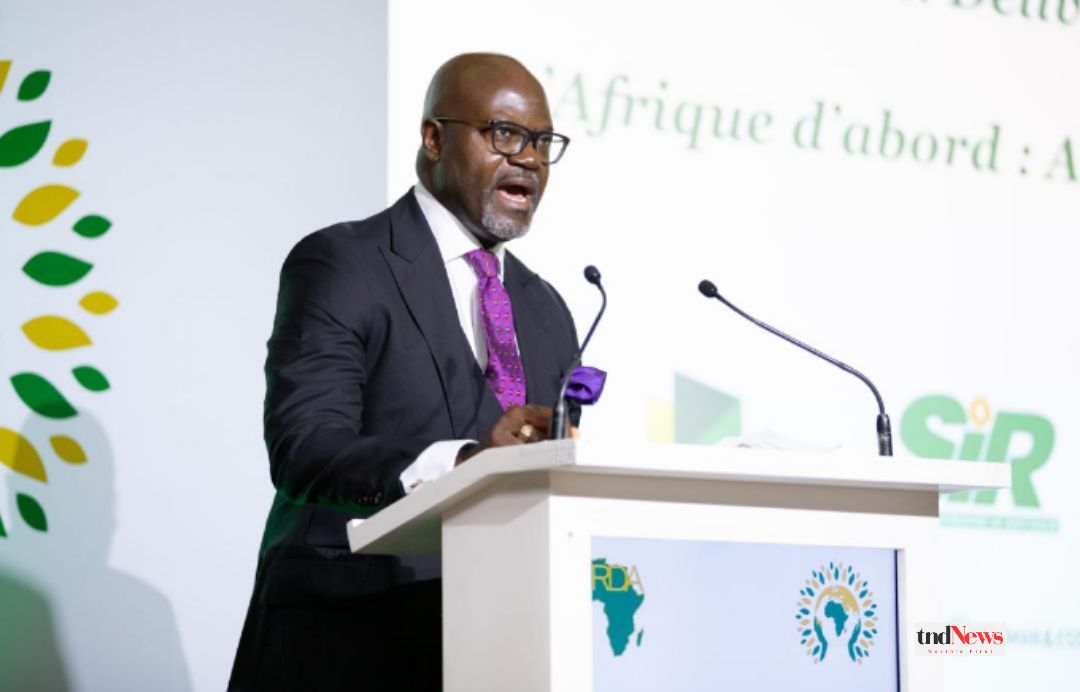
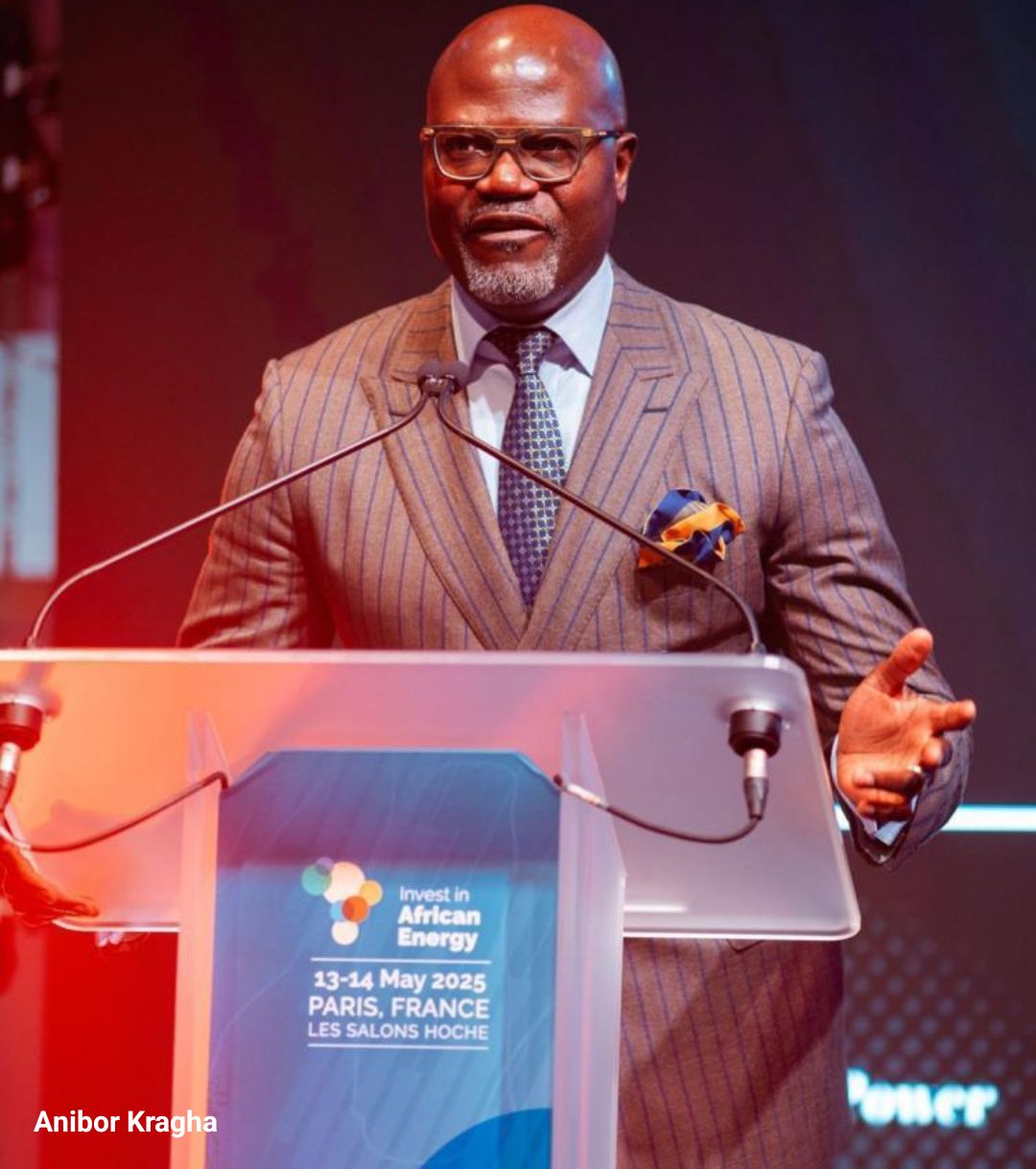
Anibor Kragha is the Executive Secretary, African Refiners and Distributors Association (ARDA)
Discover more from tndNews, Uganda
Subscribe to get the latest posts sent to your email.