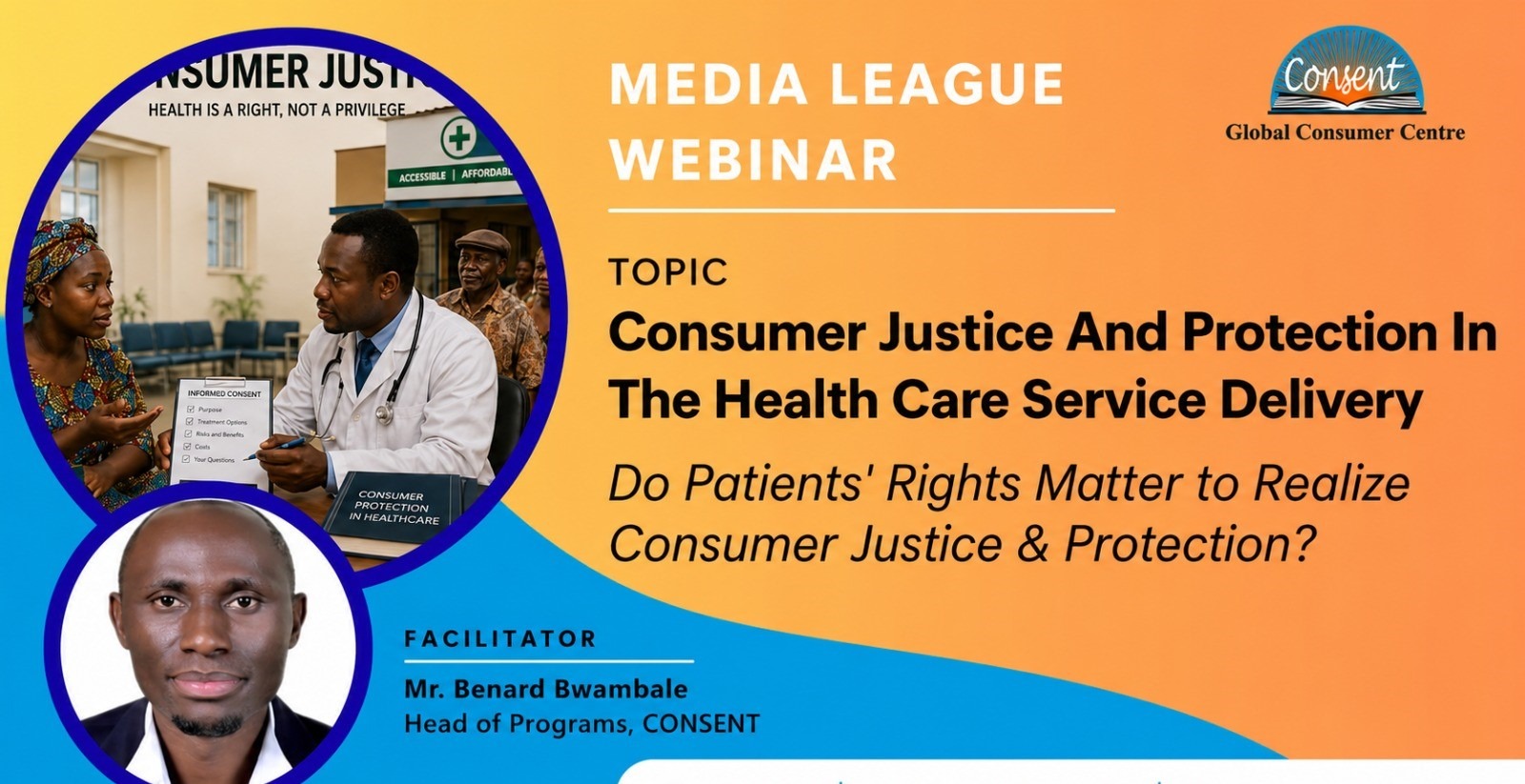
Gulu City, Uganda | Every Ugandan seeking treatment at a health facility should have the right to safe care, qualified health workers, accurate information about their treatment and a fair hearing when something goes wrong, according to a new global charter developed by the World Health Organisation (WHO).
The Patient Safety Rights Charter is expected to serve as a blueprint for countries to strengthen patient protection and reduce avoidable harm in health care systems, including in low- and middle-income countries such as Uganda, where overcrowded hospitals, understaffed facilities, medicine stock-outs and delayed referrals continue to challenge the delivery of safe and quality care.
WHO estimates that one in every ten patients is harmed while receiving health care worldwide, resulting in more than three million deaths each year, while more than half of the harm could be prevented through safer systems and better quality care.
The charter, developed under the Global Patient Safety Action Plan 2021–2030, recognizes patient safety as a fundamental human right and urges governments to ensure that health systems protect people from preventable medical errors and unsafe practices.
For Uganda, health policy experts say the charter comes at a critical time as the country continues to invest in expanding health services while facing persistent quality-of-care challenges.
The document outlines ten rights that every patient should enjoy and these include the right to timely and appropriate care, safe clinical practices, treatment by competent health professionals, access to safe medicines and medical products, clean and secure health facilities, dignity and privacy, access to health information and medical records, fair complaint resolution, and meaningful involvement of patients and their families in decisions affecting their care.
According to WHO, patient safety extends beyond preventing medical mistakes and it includes ensuring that patients are treated with dignity, protected from discrimination, given clear explanations about their diagnosis and treatment options, and empowered to participate actively in decisions regarding their own health.
The charter also emphasises that every patient should be informed about the benefits and risks of treatment, receive information in a language and format they understand, and have access to their medical records, whether in paper or electronic form.
Importantly, WHO says patients should be able to report unsafe care without fear of intimidation or retaliation.
However, where avoidable harm occurs, health facilities should provide transparent explanations, investigate incidents fairly, learn from mistakes and, where appropriate, offer remedies consistent with national laws.
For Uganda, these recommendations resonate with longstanding concerns raised by patients and civil society organisations over delays in emergency care, hospital-acquired infections, shortages of essential medicines, long waiting times, and limited avenues for patients to seek redress after adverse medical incidents.
Health advocates argue that adopting the charter could strengthen existing patient rights by encouraging health facilities to improve communication with patients, invest in infection prevention and control, strengthen incident reporting systems and promote a culture where health workers learn from mistakes rather than conceal them.
The WHO framework also recognises the growing role of digital health technologies and artificial intelligence, calling for patients to be informed about how their personal health information is collected, used and protected.
In addition, the charter stresses that confidentiality and data security must remain central to patient care.
WHO is urging governments to integrate the charter into national laws, professional guidelines and health policies.
The Organisation recommended actions include strengthening accountability systems, training health workers on patient safety, conducting public awareness campaigns, supporting patient advocacy groups and regularly monitoring compliance with patient safety standards.
The charter was developed through consultations involving patient advocates, health professionals, policymakers, human rights experts and international organisations, and is intended to apply across hospitals, health centres, clinics and community-based health services worldwide.
As Uganda works toward achieving Universal Health Coverage, health experts say improving patient safety will be as important as expanding access to health services.
Health experts further argue that ensuring every patient receives safe, respectful and evidence-based care could reduce preventable deaths, improve public confidence in the health system and ultimately save lives.
The WHO maintains that protecting patients from avoidable harm is not simply a matter of improving health services and it is a fundamental human rights obligation that every country should strive to fulfil.
Discover more from tndNews, Uganda
Subscribe to get the latest posts sent to your email.