As communities in Agago and Lamwo districts struggle to recover from prolonged drought, a growing invasion of elephants from protected wildlife areas is destroying crops, threatening lives and worsening food insecurity.
Local leaders say the conflict between people and wildlife has reached alarming levels, with elephants repeatedly leaving conservation areas to raid farms, forcing some families to abandon their gardens during the growing season.
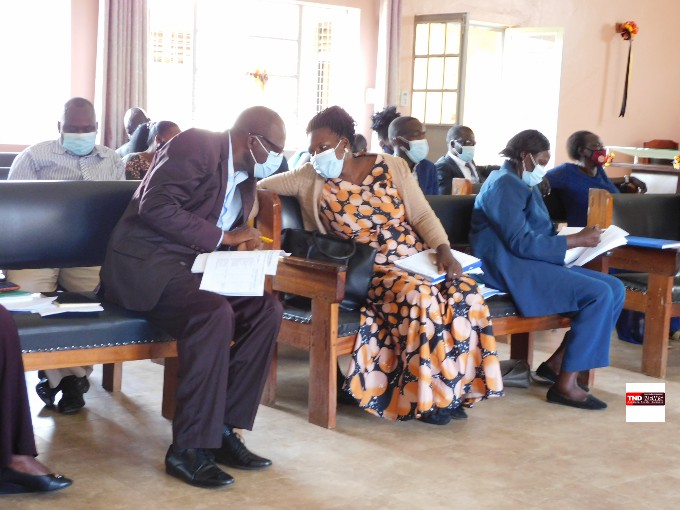
Speaking in an interview, Agago district LC5 chairperson Wilson Otto called on the government to urgently strengthen measures to protect communities living near wildlife conservation areas.
“We still have people being killed. We still have animals escaping from the park to come and kill our people. As I speak, we have over 100 elephants eating our crops,” Otto said.
He said the problem is no longer confined to Agago, noting that neighboring Lamwo district is facing similar challenges as elephants move across district boundaries in search of food and water.
According to Otto, the continued destruction of gardens has become especially devastating after prolonged dry spells left many households with poor harvests during the first planting season.
He said the Acholi Local Government Leaders Forum has resolved to jointly advocate for stronger wildlife management interventions that protect both communities and wildlife while reducing conflict.
Enyel Eric Moris, the Kidepo Conservation Area Manager under the Uganda Wildlife Authority (UWA), acknowledged that human-wildlife conflict remains one of the biggest conservation challenges in areas neighboring protected parks.
He said UWA continues to work with district leaders and communities to reduce elephant incursions through ranger patrols, community sensitisation and other mitigation measures.
“As wildlife populations recover, conflicts with neighboring communities can increase. We are strengthening surveillance and working with local leaders to minimise crop destruction while ensuring wildlife conservation is maintained,” Enyel said.
He urged residents to report elephant movements immediately to wildlife authorities instead of attempting to confront the animals themselves.
Enyel added that UWA is exploring additional interventions, including early warning systems and improved barriers in high-risk areas, to reduce elephant movements into community gardens.
For farming communities, elephant invasions have become an annual source of fear and financial loss. Ewa Jasper, a farmer from Agago district, said families spend months cultivating crops only to lose everything overnight.
“We prepare our gardens, plant our crops and pray for rain, but when elephants come, they destroy everything within a few hours. It is heartbreaking because that is the food our families depend on,” Jasper said.
He said many farmers have become discouraged from cultivating large gardens because they fear losing their investments before harvest.
Omara Emmanuel, another resident, said the conflict has also affected children’s education and household incomes.
“When crops are destroyed, parents struggle to pay school fees and provide food at home. People are becoming poorer because every season they lose what they have worked hard to produce,” he said.
Residents say some communities now organise night patrols to scare away elephants, although they acknowledge the practice is dangerous.
Akot Josephine, a mother and subsistence farmer in Lira Kato sub-county in Agago district, said women and children suffer the greatest consequences of repeated crop destruction.
“When elephants destroy our gardens, it is mothers who struggle to find food for the family. We spend the whole season farming, only to harvest nothing because of the animals,” she said.
She appealed for stronger government support, including effective barriers, rapid response teams and compensation mechanisms for affected households.
Northern Uganda hosts some of the country’s most important wildlife conservation areas, including Kidepo Valley National Park, which contributes significantly to biodiversity conservation and tourism.
However, conservation experts note that as wildlife populations recover and habitats come under pressure from climate change and human activities, conflicts between wildlife and neighbouring communities have become more frequent.
Local leaders argue that successful conservation must go hand in hand with protecting the livelihoods of people who live alongside wildlife.
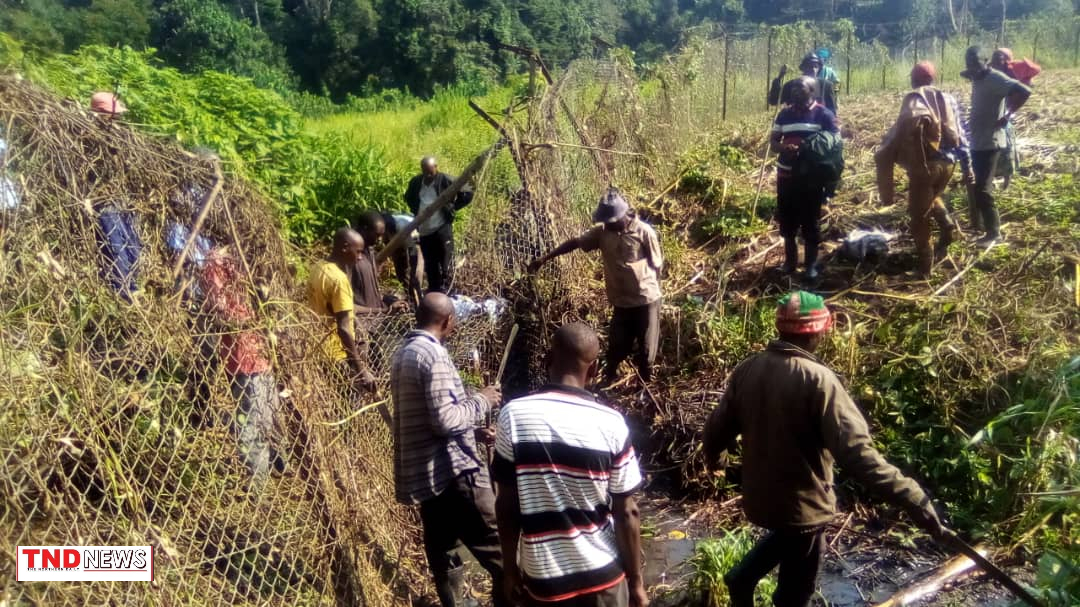
They are calling on the government and Uganda Wildlife Authority to invest in long-term solutions such as electric fencing in high-risk areas, expansion of wildlife buffer zones, rapid response teams, community awareness programmes and fair compensation for verified crop losses.
For many residents of Agago and Lamwo, the issue is no longer simply about protecting wildlife or protecting farms.
It is about finding a sustainable balance that allows communities to earn a living without fear while ensuring Uganda’s wildlife remains conserved for future generations.
Discover more from tndNews, Uganda
Subscribe to get the latest posts sent to your email.