

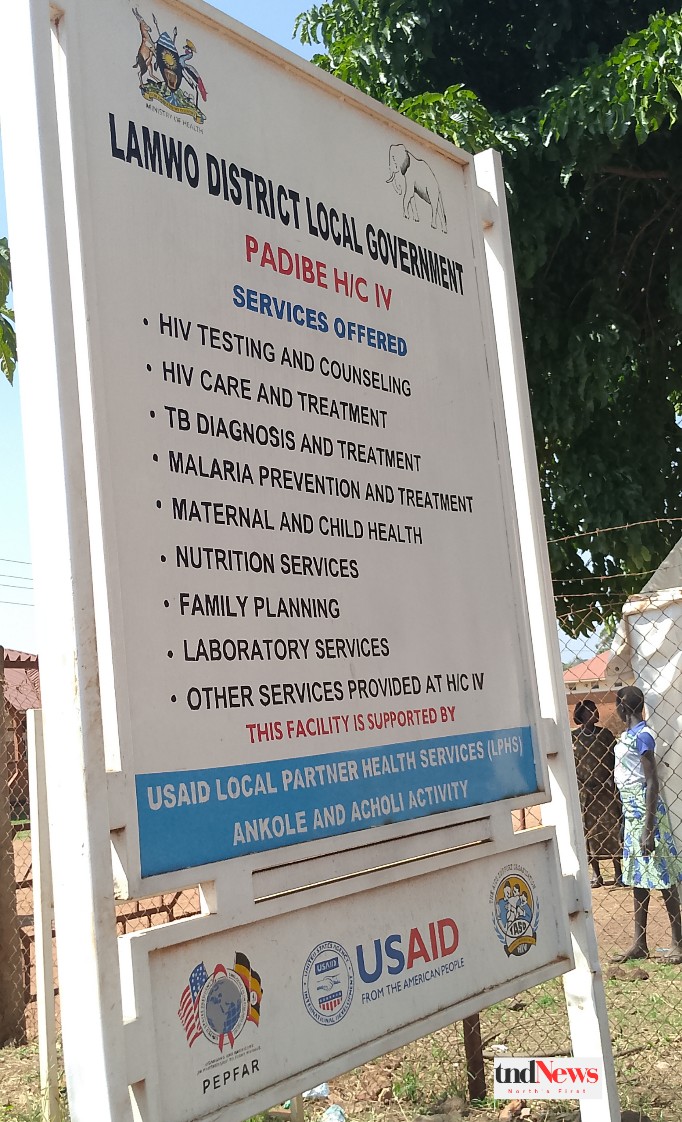
Access to emergency surgical services remains one of the biggest healthcare challenges facing rural communities in Northern Uganda, where long distances to referral hospitals and limited medical infrastructure continue to put patients at risk.
For many residents in districts such as Lamwo and Kitgum, operating theatres at rural health facilities are becoming increasingly important in saving lives, especially for mothers facing childbirth complications, accident victims, and patients requiring urgent surgical care.
Health experts say the expansion of operating theaters at Health Centre IV facilities has improved emergency response and reduced unnecessary referrals to major hospitals.
In Lamwo district, local government officials say recent investments in health infrastructure are expected to strengthen healthcare delivery and bring specialised services closer to communities.
According to the Lamwo District Executive Committee report for the 2025/2026 financial year, the district successfully completed construction of an operating theaters at Padibe Health Centre IV in Padibe town council.
The Lamwo district secretary for health, education and community-based services, Erwondo Peter Fred, said the facility is expected to improve surgical services within the district.
“The operating theatre will reduce unnecessary referrals of patients to distant health facilities and improve emergency response, especially for mothers and accident victims,” Erwondo said.
The district also completed construction of an Eye Dependency Unit at Padibe Health Centre IV to strengthen eye care services and improve access to specialised treatment for residents in Lamwo and neighboring districts.
In addition, construction of an incinerator unit at the same facility is nearing completion. Health officials say the incinerator will improve medical waste management and sanitation standards at the health centre.
Lamwo district further procured medical equipment for Potika Health Centre II to support healthcare workers and improve service delivery. Health experts say such investments are critical in improving access to healthcare in remote districts where patients often travel long distances to access surgical and specialised treatment.
Dr. Patrick Kijumi, the Lamwo District Health Officer also in-charge Padibe Health Centre IV, said rural operating theatres have significantly improved emergency healthcare delivery.
“Before some of these theatres became functional, patients with emergency conditions had to travel to Kitgum General Hospital or St. Joseph’s Hospital Kitgum,” Dr. Kijumi explained. “Many patients were arriving late, especially expectant mothers who needed emergency Caesarean sections.”
According to the Ministry of Health, health centre IV facilities are expected to provide emergency surgical services, maternal healthcare, laboratory services, and inpatient care.
However, many rural health facilities across Uganda continue to face challenges including inadequate staffing, limited medical equipment, unstable electricity supply, and poor transport networks.
“For communities located far from urban centres, a functioning operating theatre can mean the difference between life and death,” Dr. Kijumi added.
Health workers say maternal health services have particularly benefited from the presence of rural theatres. Complications during childbirth such as obstructed labour, excessive bleeding, and fetal distress often require immediate surgical intervention.
James Ocen, a resident of Palabek Refugee Settlement, said many families previously struggled to transport patients to distant hospitals.
“Hiring a vehicle at night is expensive, and some families cannot afford it,” Ocen explained. “When services are available nearby, it helps poor communities.”
Despite the progress, health officials say staffing shortages remain a challenge in many rural facilities. Some health centres still lack enough doctors, anesthetic officers, theater nurses, and biomedical technicians required to sustain surgical services.
Unreliable electricity supply, shortages of medicines, surgical supplies, and blood for transfusion also continue to affect emergency response in some facilities.
Meanwhile, Lamwo district secretary for finance, planning and administration, Odongmadiki David, said the district leadership remains committed to improving healthcare services despite financial and operational challenges.
“We shall continue lobbying for more support from the central government and development partners to expand health infrastructure and improve staffing levels,” Odongmadiki said.
Public health experts argue that strengthening rural surgical care is essential in reducing preventable deaths and improving healthcare access for rural populations.
Dr. Sarah Atim, a public health specialist, thanked the government of Uganda and the ministry of health as well as district local government for the effort toward improving the health system saying that decentralising emergency surgical services helps reduce congestion at referral hospitals and ensures timely treatment.
“When rural facilities are equipped and staffed properly, patients receive lifesaving treatment closer to their communities,” she explained.
As government and development partners continue investing in healthcare infrastructure, stakeholders say improving rural operating theatres will remain critical in strengthening maternal health services, emergency response, and overall healthcare delivery in Northern Uganda.
For many rural families, the presence of a functioning operating theatre nearby offers renewed hope that lifesaving medical care can be accessed when emergencies arise.
Discover more from tndNews, Uganda
Subscribe to get the latest posts sent to your email.


