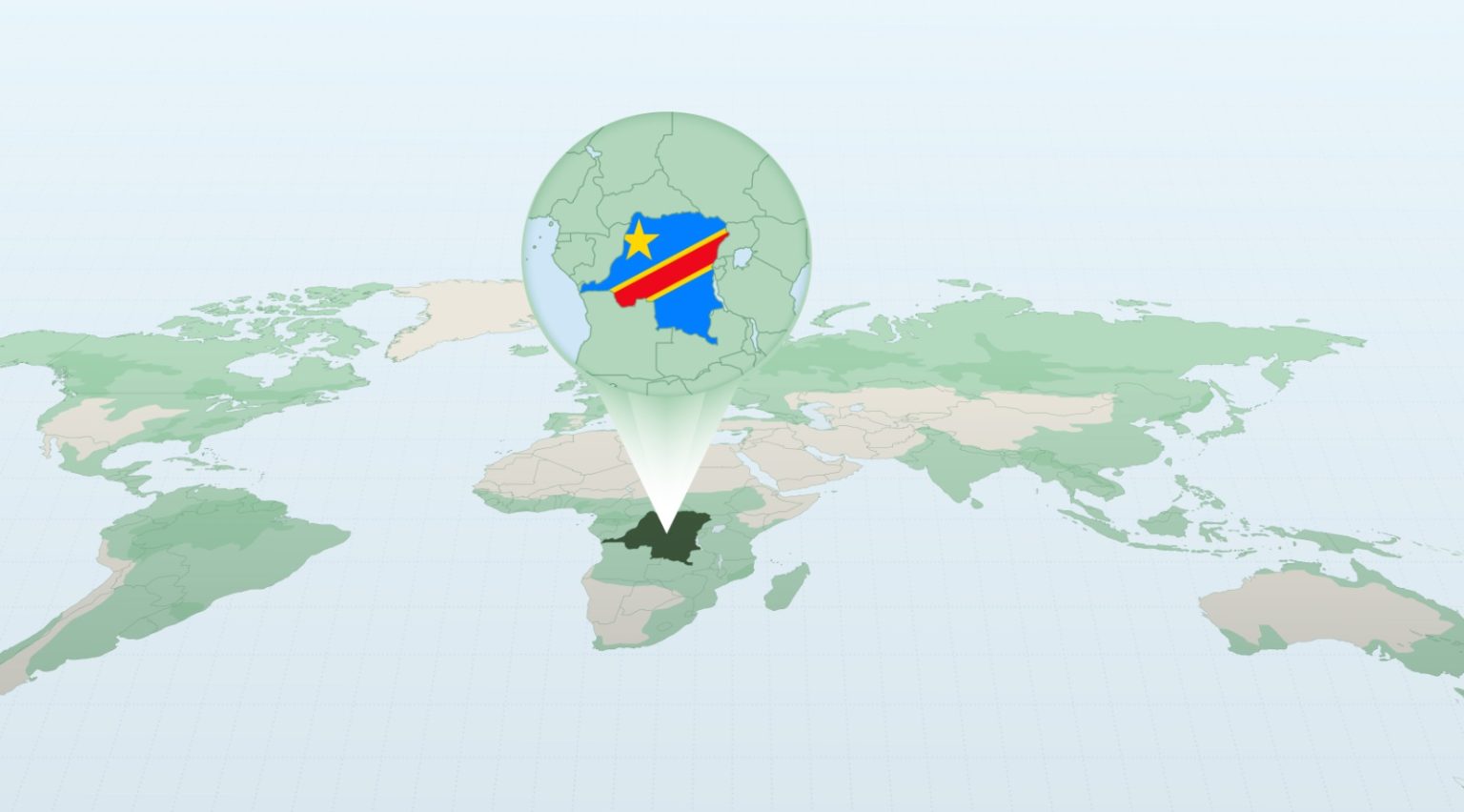
The Africa Centres for Disease Control and Prevention (Africa CDC) is closely monitoring the confirmed Ebola Virus Disease outbreak in Ituri province, Democratic Republic of the Congo, and is working with national authorities and partners to support a rapid, coordinated response.
Following consultations with the DRC’s Ministry of Health and National Public Health Institute, preliminary laboratory results from the Institut National de Recherche Biomédicale (INRB) have detected Ebola virusin 13 of 20 samples tested.
The results suggest a non-Zaire ebolavirus, with sequencing ongoing to further characterise the strain. Results are expected within the next 24 hours with support from Africa CDC.
As of the latest update, about 246 suspected cases and 65 deaths have been reported, mainly in Mongwalu and Rwampara health zones. Four deaths have been reported among laboratory-confirmed cases. Suspected cases have also been reported in Bunia, pending confirmation.
Africa CDC is concerned about the risk of further spread due to the urban context of Bunia and Rwampara, intense population movement, mining-related mobility in Mongwalu, insecurity in affected areas, gaps in contact listing, infection prevention and control challenges, and the proximity of affected areas to Uganda and South Sudan.
In response, Africa CDC is convening an urgent high-level coordination meeting today, 15 May 2026, with health authorities from the DRC, Uganda and South Sudan, together with key partners including the World Health Organization, UNICEF, the United States CDC, the European CDC, China CDC, the Public Health Agency of Canada, Gilead Sciences, Merck & Co., Johnson & Johnson Innovative Medicine, Regeneron Pharmaceuticals, Roche, Abbott Laboratories, Cepheid, BioNTech, Moderna, Evotec Biologics, CEPI, Gavi, Médecins Sans Frontières, IFRC, the World Bank, the African Development Bank, Afreximbank, the Gates Foundation, the Wellcome Trust, and other partners.
The meeting will focus on immediate response priorities, cross-border coordination, surveillance, laboratory support, infection prevention and control, risk communication, safe and dignified burials, and resource mobilisation.
“Africa CDC stands in solidarity with the Government and people of the Democratic Republic of the Congo as they respond to this outbreak,” said H.E. Dr Jean Kaseya, Director General of Africa CDC. “Given the high population movement between affected areas and neighbouring countries, rapid regional coordination is essential.
“We are working with DRC, Uganda, South Sudan and partners to strengthen surveillance, preparedness and response, and to help contain the outbreak as quickly as possible.”
Africa CDC is preparing support across key response pillars, including coordination through emergency operations mechanisms, digital surveillance and data management, cross-border preparedness, laboratory coordination, infection prevention and control, risk communication and community engagement.
In addition, Africa CDC will work with partners to assess the availability and appropriateness of medical countermeasures once sequencing results confirm the exact ebolavirus species.
Africa CDC is urging communities in affected and at-risk areas to follow guidance from national health authorities, report symptoms promptly, avoid direct contact with suspected cases, and support response teams working to protect communities.
About Ebola Virus Disease
Ebola Virus Disease is a severe and often fatal illness. It spreads through direct contact with the bodily fluids of infected persons, contaminated materials, or persons who have died from the disease.
Early detection, prompt isolation and care, contact tracing, infection prevention and control, community engagement, and safe and dignified burials are critical to stopping transmission. WHO describes Ebola as spreading through direct contact with bodily fluids and contaminated surfaces or materials.
Discover more from tndNews, Uganda
Subscribe to get the latest posts sent to your email.