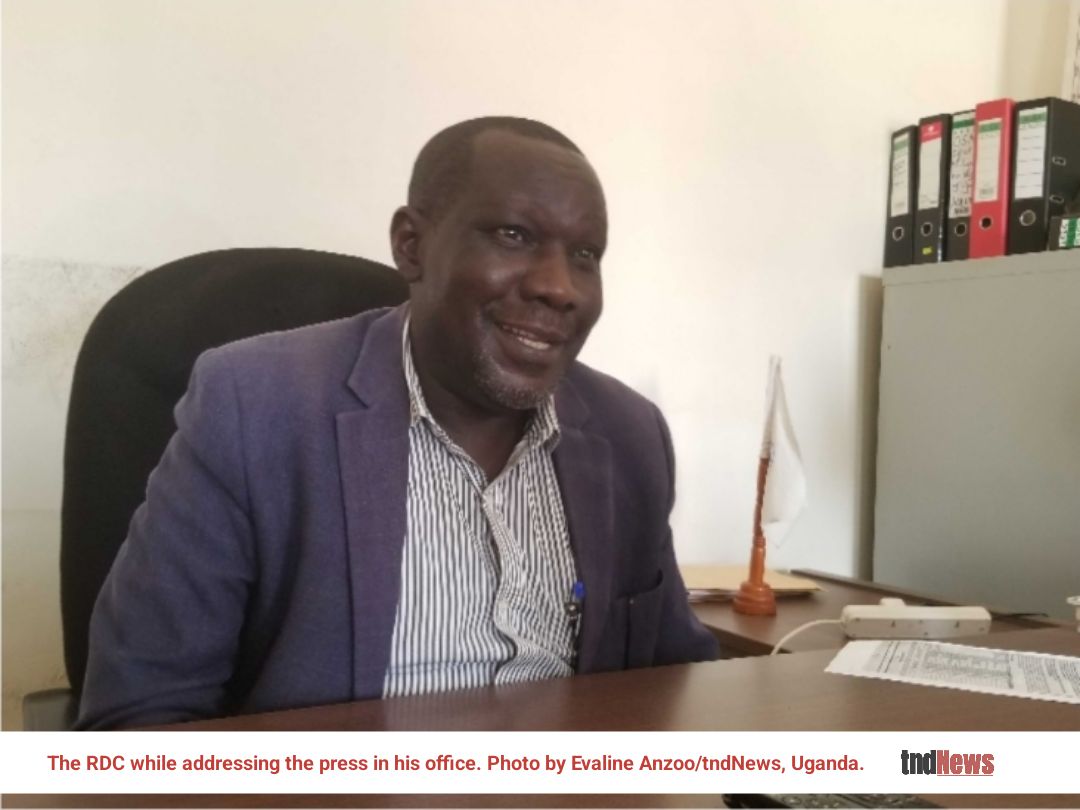
Resident District Commissioner (RDC) Adjumani, Toko Swaib, has issued a strong caution to officials from the National Identification and Registration Authority (NIRA), urging them to prioritise persons with special needs as congestion continues to rise at collection centres.
The district is currently distributing a large number of national identity cards, a task that has drawn overwhelming crowds.
According to RDC Swaib, the sheer volume of people attending the exercise has created pressure on service points, exposing gaps in how vulnerable groups are handled.
“The district has received over 70,000 national IDs for the 11 sub-counties. And the leadership has now resolved that there are two distribution points at the NIRA headquarters here in Adjumani and also, they have decentralised to sub-counties.
“I want to appeal to them. We had a sad incident where an old woman collapsed in Ofua sub-county as she was waiting for the ID card. And this is a diabetic person.”
Because of standing for a long time, the RDC said, she collapsed and died. “I want to appeal to the teams as the public service standing orders demand: where there are elderly people, where there are expectant mothers, where there are people with disabilities. Those should not be put in line up. They should be given priority.”
His remarks reflect growing concern among district leaders that without immediate adjustments, more lives could be put at risk. The incident in Ofua has become a painful reminder of how systemic inefficiencies can have fatal consequences, especially for individuals with underlying health conditions.
Eyewitness accounts from Ofua describe long hours of waiting under the sun, with limited seating and little consideration for those unable to endure prolonged standing.
Also read: Seeds of change: URRI project helps youths in Adjumani build resilient futures
For many residents, obtaining a national ID is essential for accessing services, opening bank accounts, registering SIM cards, and participating fully in civic events.
District Registration Officer for NIRA, Fred Balaba acknowledged the challenges faced by both officials and the public, noting that the high turnout is a direct result of the large number of cards recently delivered to the district.
“In Adjumani, we received about 70,000 cards with people receiving messages telling them to come and collect their cards. Currently, there are a number of people in the office, but we are handling them. And also, gladly, we have a small team that is moving around the sub-counties.”
“So far, we’ve been to Itirikwa and Ofua. Right now, they’re in Pakele and starting tomorrow (April 29) they’re going to be in JP. We know there are not enough days, but currently, that’s what we can do.”
Balaba’s statement highlights efforts already underway to ease congestion, including mobile outreach teams that deliver services closer to communities. However, he admitted that time and manpower constraints remain significant obstacles.
Despite these efforts, the growing crowds at both the central NIRA office and decentralised points continue to strain the system. Many residents arrive early in the morning, hoping to be served quickly, only to spend hours waiting.
Balaba emphasised that measures are being taken to ensure fairness and protect vulnerable groups, even amid the pressure.
“We realise the number of people we are dealing with. So, we are giving priority to pregnant women, women with young children, PWDs, and then finally the rest of the people.”
However, the recent tragedy has raised questions about how consistently such measures are implemented on the ground. Community members argue that while policies may exist, enforcement remains uneven, particularly in remote sub-counties where supervision is limited.
Local leaders and residents are now calling for more structured systems, such as separate lines for vulnerable groups, shaded waiting areas, and increased staffing to speed up the process. Others suggest adopting appointment-based systems or issuing time slots to reduce overcrowding.
Health workers in the district have also weighed in, warning that long hours of standing, especially under harsh weather conditions, can be dangerous for elderly individuals and those with chronic illnesses such as diabetes, hypertension, and heart disease.
Discover more from tndNews, Uganda
Subscribe to get the latest posts sent to your email.