Police in Lamwo district have opened investigations into a suspected human trafficking ring in which labourers from northern Uganda’s Lango sub-region were allegedly lured with promises of paid farm work, only to face exploitation after arriving.
The case has raised fresh concern about how poverty, unemployment and desperation for jobs continue to expose vulnerable Ugandans to abuse disguised as opportunity.
Authorities say they received reports that several people were being transported from Lango to Lamwo to work on farms under agreed payment terms that were later ignored.
Officer in Charge of Lamwo Central Police Station, ASP Agaba Moses, said police are treating the allegations seriously.
“We have received information that some people are bringing workers from Lango to work on their farmland, but they are not being paid as agreed,” Agaba said.
“Investigations are ongoing, and if these allegations are substantiated, those responsible will be brought to book.”
For many young people in rural communities, even temporary farm work can mean covering school fees, rent, or providing food for their families. That desperation often leaves them vulnerable to deception.
Nyeko George, the LC3 chairperson of Lamwo town council, said many job seekers rarely question transport arrangements or written contracts when an offer comes.
“When someone says there is work and transport is available immediately, people go. They think of survival first,” Nyeko said. “By the time they realise the promises were false, they are already far from home.”
Nighty Apio, the police child and family officer for Lamwo, says such situations may amount to trafficking in persons where individuals are recruited, moved or harboured for exploitation.
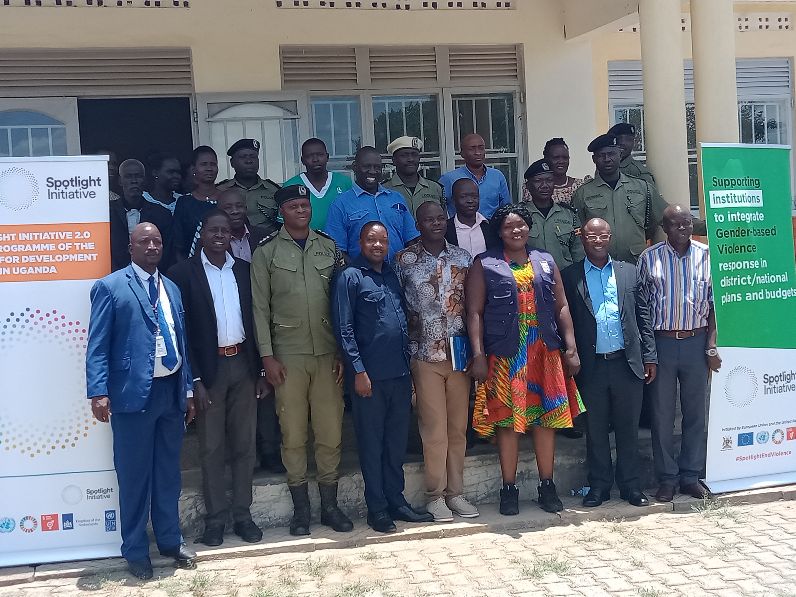
The investigation was announced during a stakeholders’ training on prevention of human trafficking and protection of human rights, organised by the Ministry of Internal Affairs in partnership with the United Nations Development Programme (UNDP) and the Spotlight Initiative.
Security officials used the forum to warn communities that traffickers increasingly operate through informal labour deals rather than dramatic abductions often associated with trafficking.
Commissioner of Police Julius Twinomujuni, the National Coordinator for Prevention of Trafficking in Persons, said many victims are trapped through lies and manipulation.
“Human trafficking is a serious crime that thrives on deception and vulnerability,” Twinomujuni said. “We must strengthen community awareness, improve reporting mechanisms, and ensure that perpetrators are held accountable.”
He urged district leaders, police, civil society groups and community structures to work together to identify suspicious recruiters early and support victims who come forward.
The warning comes as security agencies in Lamwo report a rise in dubious recruitment activity targeting young people.
Lamwo District Internal Security Officer Jolly Joe Ogwal stated that several companies and agents have recently appeared in the district, claiming to offer jobs, yet some lack accreditation or authorisation from relevant government bodies.
He cautioned residents not to trust recruiters simply because they promise quick money or transport.
“All legitimate recruitment processes are known and monitored by district security agencies,” Ogwal said, urging residents to verify any company before signing up.
For families already struggling with rising living costs, such warnings come at a painful time. In many homes, one successful job placement can sustain an entire household. That pressure often pushes young men and women to take risks.
Community representatives at the Lamwo training said women and youth remain especially vulnerable because they are frequently targeted with promises of domestic work, urban jobs or farm contracts.
Odur Justine Peace, who represented the district leadership, pledged to take awareness campaigns to villages so residents can better recognise traffickers’ tactics.
She said churches, schools, markets and local meetings should be used to spread information before more people fall victim.
Anti-trafficking advocates say many cases go unreported because victims fear stigma, blame or retaliation from recruiters who may be known to them.
Others simply accept non-payment or harsh conditions because they believe there is no alternative employment. That silence allows exploitation to continue.
In Lamwo, police say the current inquiry will determine how many workers may have been affected, who organised the recruitment and whether criminal charges should follow.
If proven, the case would underscore a growing challenge in Uganda: trafficking does not always cross borders or involve international syndicates. Sometimes it happens within districts, through neighbours, brokers or employers exploiting trust.
For now, authorities are urging residents to report suspicious transport of workers, withheld wages, confiscated identity documents, threats, or promises that seem too good to be true.
As the investigation continues, many in Lamwo hope it also sparks a broader conversation about jobs, dignity and the hidden cost of poverty.
Discover more from tndNews, Uganda
Subscribe to get the latest posts sent to your email.