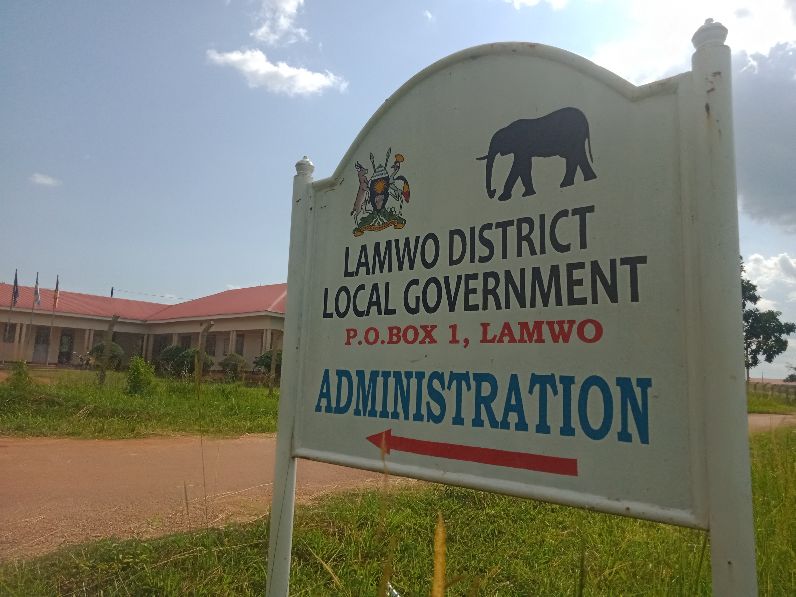
Lamwo district has registered significant progress under the Parish Development Model (PDM), with at least 37,356 households out of a targeted 41,200 already benefiting from the government’s flagship poverty alleviation program.
However, district leaders are raising concerns about the emerging risks of mismanagement and improper beneficiary selection, which could undermine the initiative’s long-term impact.
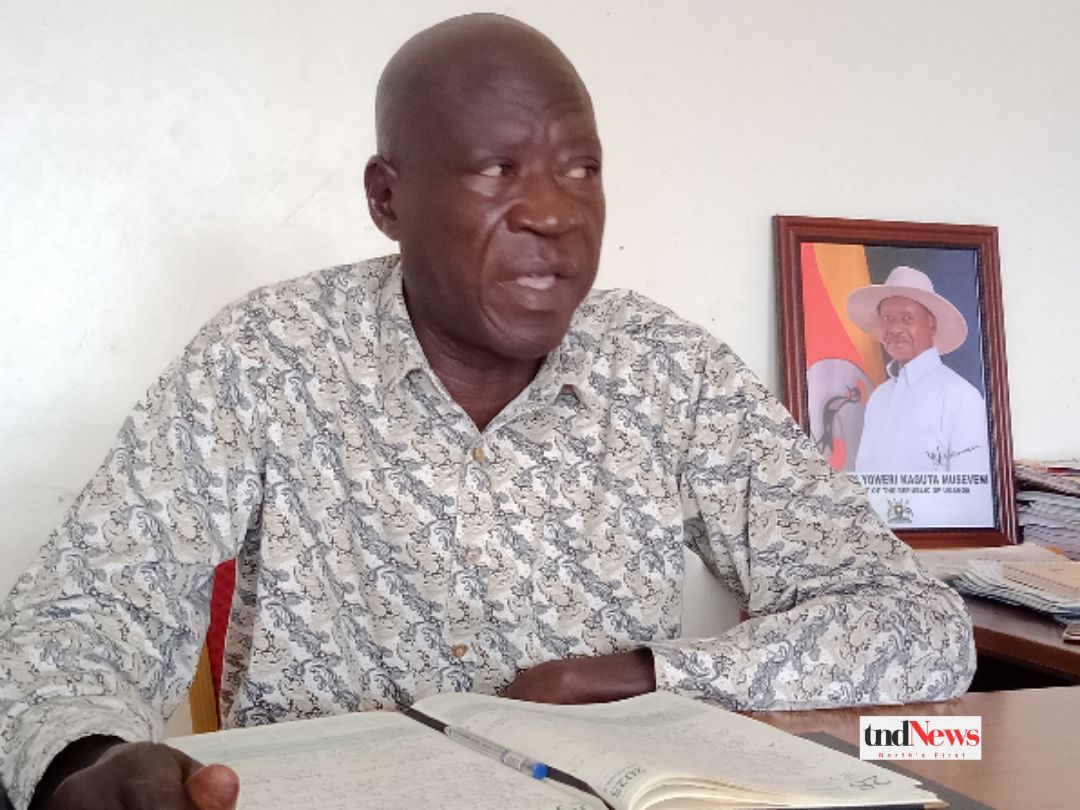
The figures were disclosed by the Resident District Commissioner (RDC), William Komakech, who commended the program for steadily transforming livelihoods in the district.
Introduced in the 2022/2023 financial year, PDM aims to transition households from subsistence farming to a money economy by providing direct financial support to communities at the parish level.
According to Komakech, many families that previously relied solely on small-scale farming are now engaging in income-generating activities such as livestock rearing, produce trading, and agro-processing.
“The program is already changing lives,” he said. “We are seeing households begin to think commercially, which is exactly what PDM was designed to achieve.”
Despite the positive strides, Komakech issued a strong warning to parish leaders and program implementers against misallocation of funds. He noted with concern that some officials may be approving beneficiaries without proper verification, increasing the risk of funds being lost.
“There are reports that some funds are being given to individuals whose activities are difficult to track, especially those operating in distant or temporary locations,” he cautioned. “If a beneficiary disappears after receiving the money, the responsible officials will be held accountable and required to refund those funds.”
The warning underscores growing concerns about transparency and monitoring at the grassroots level, where parish committees play a critical role in identifying beneficiaries and overseeing fund utilisation.
Supporting the RDC’s remarks, Lamwo Chief Administrative Officer, Moses Chuna Kapolon, revealed that over shs50 million is currently ready for disbursement to a new batch of verified beneficiaries awaiting final approval at the parish level. He emphasised the need for thorough vetting processes to ensure that only deserving households’ benefit.
Since its rollout, Lamwo District has received a cumulative shs26.47 billion under the PDM framework, making it one of the key districts actively implementing the program in Northern Uganda.
At the community level, the impact of PDM is increasingly visible, though residents express mixed feelings about its management.
Acen Rose, a beneficiary from Padibe West sub-county, said the funds helped her start a business that now supports her children’s education. “Before PDM, I depended on digging in people’s gardens,” she said. “Now I have my own business and my life is improving.”
Similarly, Okello Thomas, a farmer in Agoro sub-county, credited the program for enabling him to invest in goat rearing. “This money gave me a start. I now have something I can grow,” he explained. “But we need leaders to be fair so that everyone who deserves it gets a chance.”
However, some residents voiced concern about alleged favouritism and lack of transparency in selecting beneficiaries. “There are people who are well-off but still receive the money, while the poorest are left out,” said a local resident who preferred anonymity. “If this continues, the program will lose meaning.”
Others called for stronger follow-up mechanisms to ensure that funds are used for intended purposes. “We need regular monitoring,” said a parish elder in Madi Opei. “Some people misuse the money instead of investing it.”
Understanding the Parish Development Model
The Parish Development Model is a government initiative designed to lift 39 per cent of Ugandan households from subsistence to the money economy.
It operates through the parish as the lowest administrative and economic planning unit, ensuring that services and funds reach communities directly.
Each parish receives funds to support organised groups under the Parish Revolving Fund, enabling members to access low-interest financial support for income-generating activities.
The model is anchored on seven pillars, including production, financial inclusion, infrastructure, mindset change, and governance.
PDM is also closely linked to Uganda’s broader development agenda, focusing on wealth creation, improved household incomes, and inclusive economic growth.
In districts like Lamwo, which have historically faced challenges such as poverty, limited infrastructure, and the effects of past conflicts, the program is seen as a critical opportunity to accelerate recovery and development.
As Lamwo continues to roll out PDM, leaders are urging stricter adherence to guidelines, transparency in beneficiary selection, and stronger accountability systems.
Komakech stressed that the success of the program depends not only on funding but also on integrity at all levels of implementation.
“This is people’s money meant to change lives,” he said. “If we manage it well, we will see real transformation. But if we misuse it, we will fail the very communities we are meant to serve.”
With thousands already benefiting and more awaiting support, the Parish Development Model remains a beacon of hope in Lamwo provided its implementation remains disciplined, inclusive, and accountable.
Discover more from tndNews, Uganda
Subscribe to get the latest posts sent to your email.