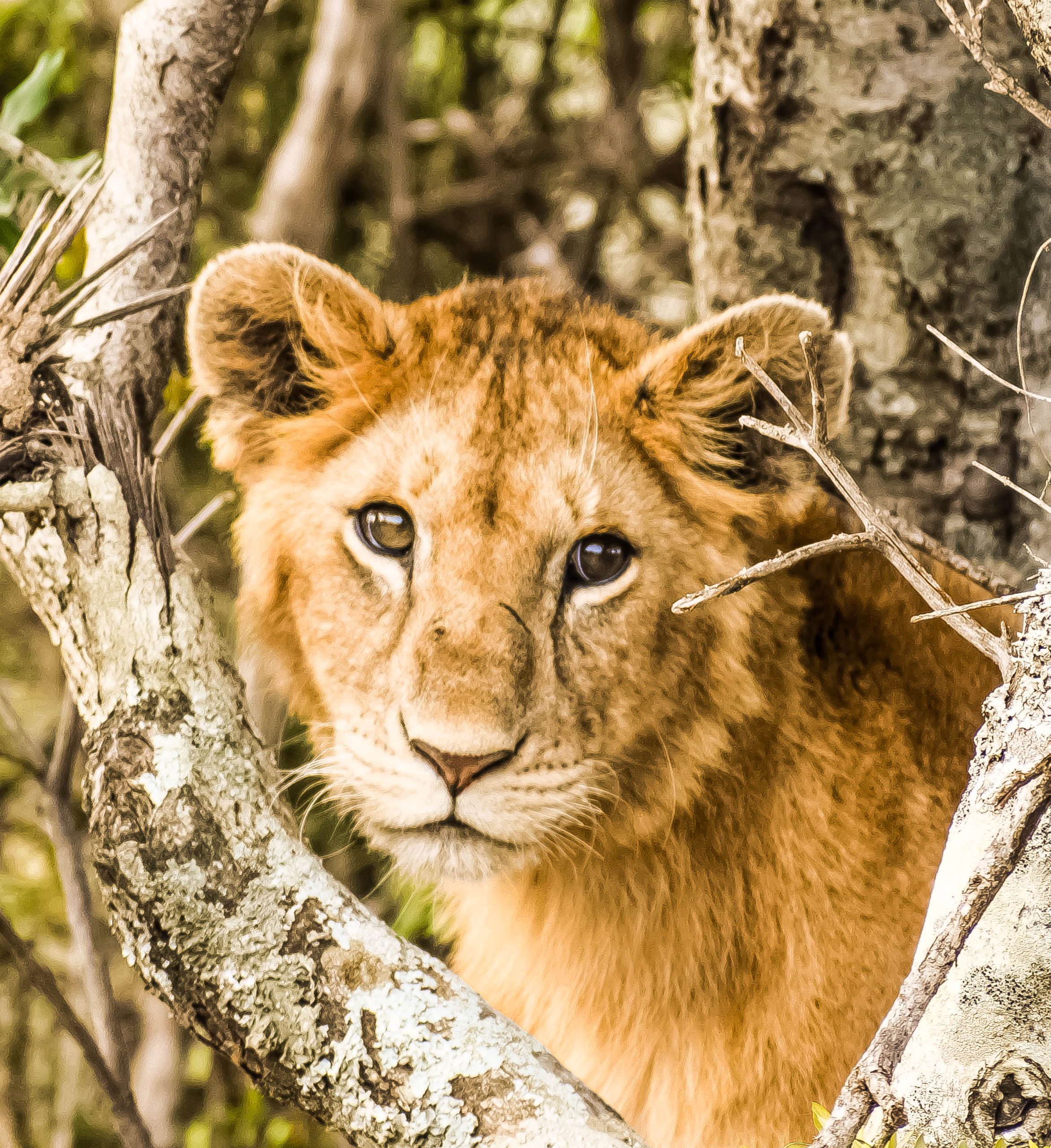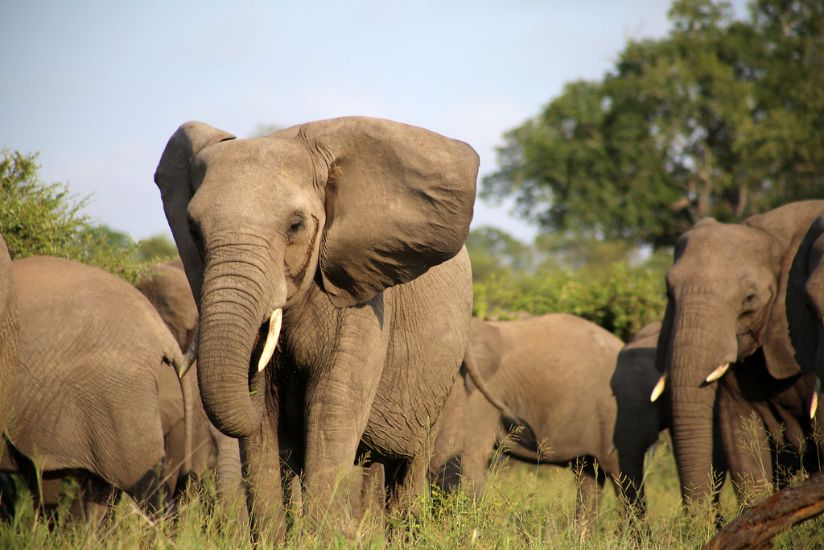
In the heart of the Abim district, a pressing problem is unfolding—a conflict between human livelihoods and the wilder inhabitants of the land.
Recent incursions by elephants and other wildlife have laid waste to the agricultural pursuits of local villagers in Giligili and Omunga within Abim sub-county, sparking outrage and despair among community members.
Amid this havoc, Bashir Hangi, the Communication Officer at the Uganda Wildlife Authority (UWA), has reached out to reassure farmers about their rights to compensation for crop damage.
The devastation caused to fields critical for sustenance has left many families stranded in uncertainty.
Hangi described the protocol for seeking compensation, urging affected individuals to promptly report any damages.
Following these reports, UWA teams will conduct thorough on-site assessments to evaluate the extent of destruction. The assurance provided that crops damaged outside protected areas are eligible for compensation is a vital acknowledgement of the challenges farmers face due to wildlife incursions.
“It is regrettable that wildlife ventures outside the parks and damages people’s crops,” stated Hangi, who recognised the distressing reality of escalating conflicts—one that has tragically led to injuries and even fatalities within the community.
The urgency to confront these challenges cannot be overstated. In light of this crisis, UWA has implemented several proactive measures to mitigate wildlife threats.
Notably, problem animal capture units have been established around conservation areas to respond quickly to community alerts, effectively redirecting wildlife back to their natural habitats.
Collaborating with the Uganda People’s Defence Force (UPDF), UWA has also sought aerial support to enhance efforts in managing wildlife movements.
Members of the community have witnessed these initiatives firsthand, but despite ongoing efforts, incidents of crop destruction continue to mount.
Reports indicate that around ten gardens—critical to local food security—have been devastated recently. Essential crops such as sorghum, groundnuts, millet, sunflowers, maize, cassava, and bananas are now casualties of this conflict.
The feelings of frustration and abandonment are palpable among residents. Okello Charles, a local farmer, lamented the loss of his banana, cassava, sunflower, and groundnut plantations, voicing disappointment over government responses to the hazards posed by wildlife.
His sentiments reflect a broader anxiety within the farming community, grappling with the dual threat of crop loss and potential famine due to insufficient protective measures.
In response to the community’s cries for help, Johnny De West, the local council chairperson for Abim district, urged a reevaluation of current strategies designed to shield crops from wildlife interference.
He emphasised the need for comprehensive, long-term solutions over temporary fixes. Protective fencing, enhanced wildlife management protocols, and timely compensation for losses are essential components of a sustainable approach.
As calls for assistance echo through Abim district, authorities must heed this urgent plea for action.
The survival and well-being of these farming communities hinge on effective collaboration between government institutions, local leaders, and residents committed to tackling the challenges posed by wildlife encroachment.
Discover more from tndNews, Uganda
Subscribe to get the latest posts sent to your email.