In a strategic shift aimed at enhancing agricultural productivity and market competitiveness, the Lamwo District Production and Marketing Department has announced plans to engage farmers in streamlining the number of agricultural enterprises being undertaken in the district.
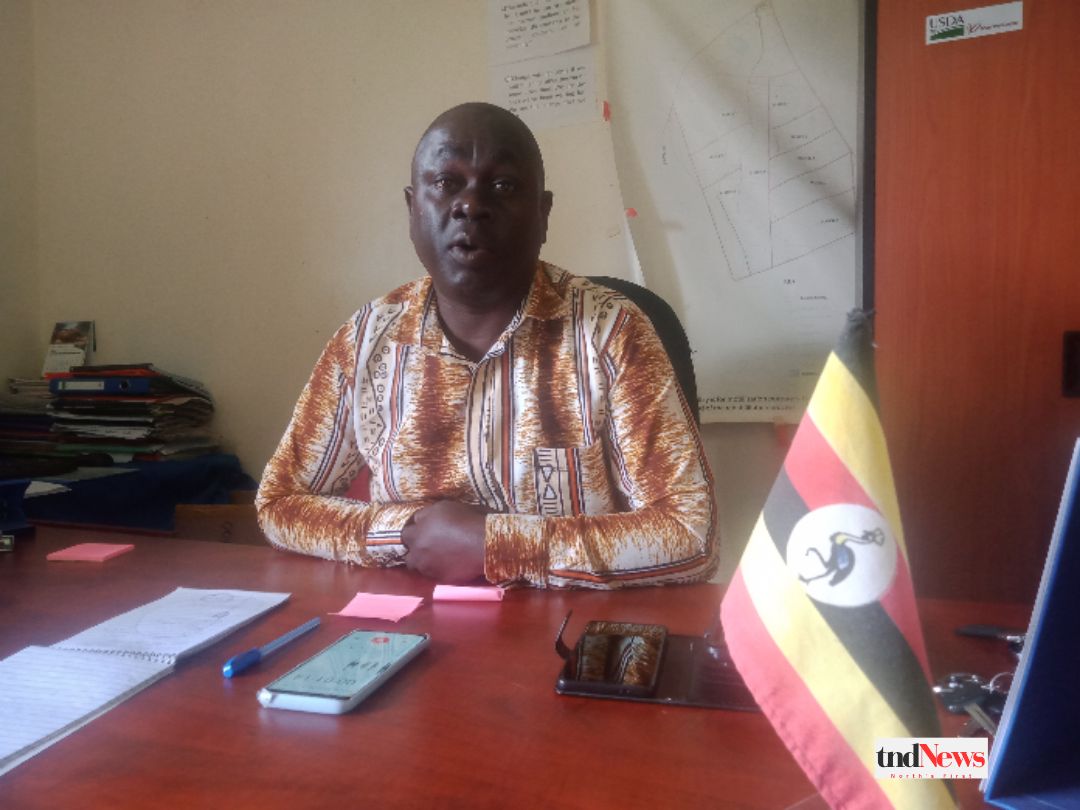
Muhenda Patrick Agaba, the Lamwo District Production Officer said the district is currently involved in too many agricultural enterprises, which has diluted the volume and quality of produce, making it difficult for Lamwo to be recognized in both national and international markets.
“We have realized that dealing in too many enterprises is scattering our efforts. As a result, Lamwo is not known for any specific product in the external market,” Agaba explained.
“This has affected our ability to attract consistent buyers, export opportunities, and value-addition investments.”
The new approach seeks to encourage farmers to concentrate on fewer, high-potential enterprises that align with Lamwo’s agro-ecological conditions and market demand.
According to Agaba, by focusing on selected value chains, the district aims to build adequate volumes, improve quality standards, and brand Lamwo as a reliable source of specific agricultural commodities.
Agaba noted that the district will soon hold stakeholder engagements at sub-county levels to identify priority enterprises and build consensus among farmers.
Technical support, training, and market linkages will be provided to farmers who align with the district’s enterprise focus strategy.
“This is not to force anyone out of farming other crops or livestock, but to organize and promote the most promising enterprises at a larger scale,” Agaba emphasized.
Local farmers and stakeholders have expressed mixed but largely positive reactions to the initiative.

Akot Betty, a groundnut farmer from Palabek Gem sub-county, welcomed the plan, saying sometimes she produces a lot of simsim, but when there is no ready market, it goes bad or sells cheaply.
“If we unite around one or two crops, I believe we can attract big buyers and even factories,” said Akot
Otema Bosco, a youth farmer involved in livestock and maize farming in Madi Opei, however, raised concerns about inclusivity.
“It is a good idea, but the district must ensure all categories of farmers, especially youth and women, are consulted before deciding which enterprises to promote. We don’t want to be left out,” Otema emphasized.
Akullu Grace, another farmer from Padibe, noted the importance of value addition. She said even if farmers focus on a few crops, they need support for processing and packaging.
“That is how we can earn more and create jobs for our children,” said Akullu.
The Lamwo district LC5 chairperson, Oyet Sisto Ocen is optimistic that the engagement process will give farmers a voice in shaping the district’s agricultural future.
We must work together to choose wisely. We know what grows well here and what has market potential. The district should listen to people’s ground experience,” said Oyet.
The initiative is part of the broader district agricultural development agenda to increase household incomes, improve food security, and position Lamwo as a leading agricultural production zone in Northern Uganda.
Discover more from tndNews, Uganda
Subscribe to get the latest posts sent to your email.