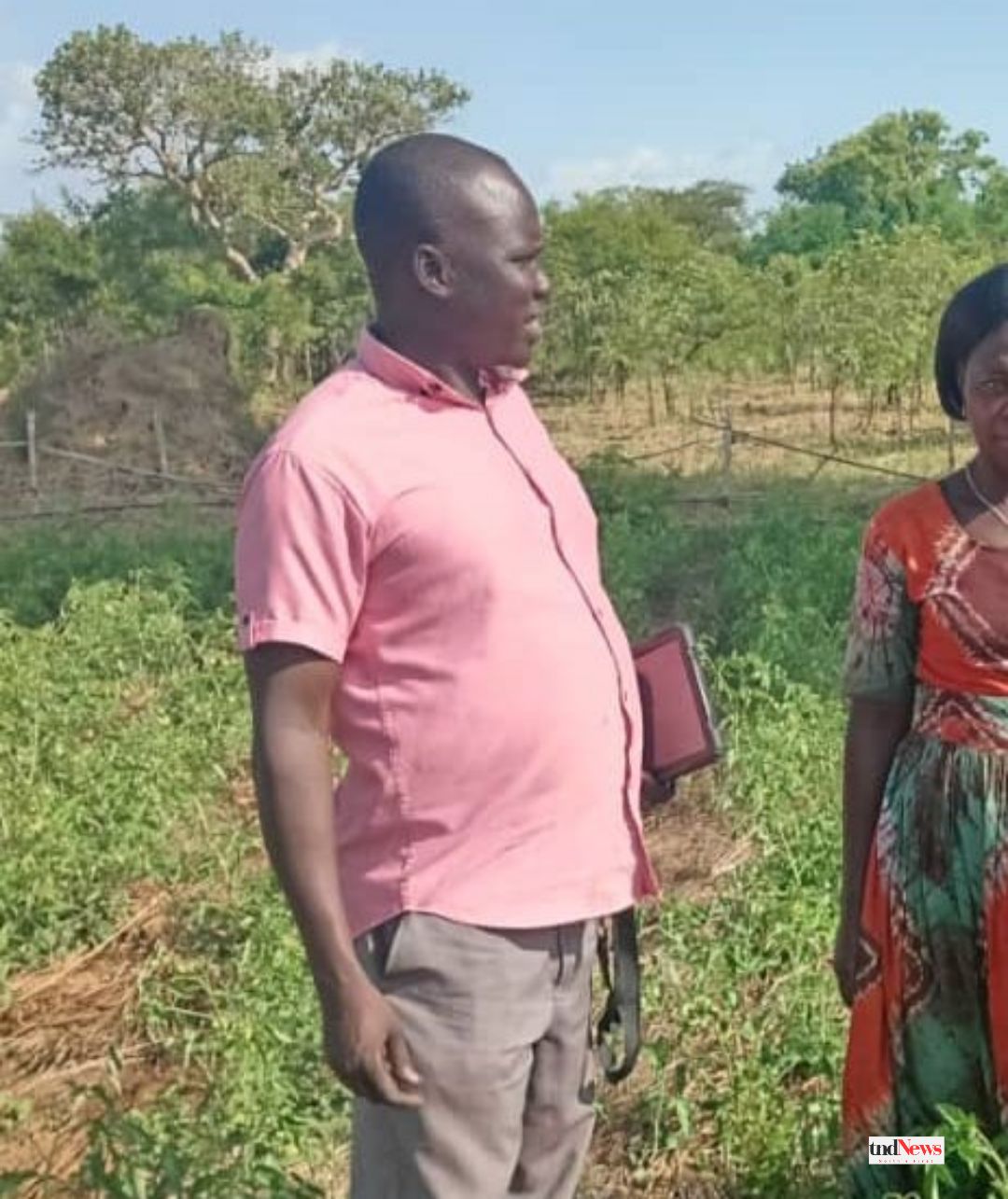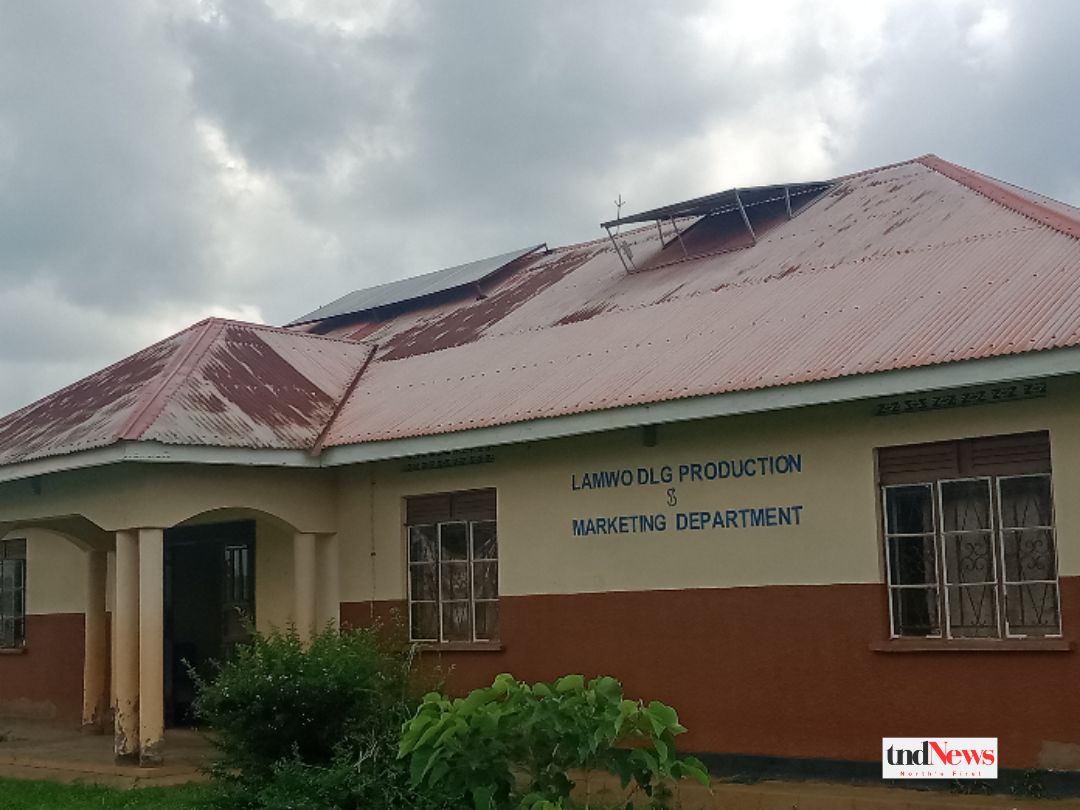
At least 50 storage facilities owned by Lamwo district remain unused, according to Muhenda Patrick Agaba, the District Production and Marketing Officer.
Despite the availability of these stores across Lamwo, many farmers continue to store their farm produce at home rather than utilizing the district’s facilities.
Agaba highlighted that the district invested in establishing these storage centers to help farmers safely keep their harvests, reduce post-harvest losses, and improve market access. However, he expressed concern that these resources are largely going to waste due to low uptake by the farming community.
“We have about 50 stores across the district, but most farmers prefer to use their own homes to store crops like maize and beans. This exposes their produce to pests and weather damage, which could easily be avoided,” Agaba said.
Farmers, however, say they are hesitant to use the district stores due to a lack of awareness and concerns about access and security.
One farmer from Palabek Kal, Akena James, said, “I have heard about the storage facilities, but I don’t know how to access them or if there are any fees involved. Many of us just keep our maize at home because it is easier.”
Another farmer, Atoo Beatrice from Lamwo town council, expressed worries about security. She adds that some farmers fear their produce might be stolen or mixed with others.
“We need clear guidelines and assurances before we can fully trust these stores.” she empathized.
The Lamwo district secretary production, marketing and natural resources, Odur Justine Peace, are calling on the district administration to increase sensitization efforts and involve farmers in the management of the stores to boost confidence and usage.
“This facility is a good initiative, but without proper communication and trust-building, farmers will continue to avoid it. We need the district to work closely with us to ensure these stores serve their intended purpose,” said Odur.
He said that the district leadership is now exploring ways to sensitize and encourage farmers to utilize the storage infrastructure, including awareness campaigns and possible incentives.
This underutilization presents a significant challenge for Lamwo’s agricultural sector, which depends heavily on smallholder farmers whose livelihoods are often threatened by poor storage conditions and market uncertainties.
Efforts to address this issue are critical to ensuring that the district’s investments in agricultural infrastructure translate into tangible benefits for its farming population.
Lamwo district, located in Northern Uganda, is predominantly an agricultural area where the majority of residents depend on farming for their livelihoods.
The district produces staple crops such as maize, beans, groundnuts, millet, and cassava. However, post-harvest losses remain a major challenge for farmers due to poor storage methods, which lead to significant spoilage from pests, moisture, and rodents.
To address these challenges and support local farmers, the Lamwo district government invested in establishing at least 50 storage facilities across the district.
These stores are designed to provide farmers with secure, weather-resistant spaces to store their produce safely after harvest. Proper storage can reduce losses, improve the quality of the crops, and help farmers sell their produce when market prices are favorable.
Despite the availability of these storage facilities, recent reports indicate that many farmers still prefer to store their harvests at home. This practice exposes their crops to higher risks of damage and loss, which negatively impacts household incomes and food security.
The reasons behind the low utilization of district stores include lack of awareness about the facilities, concerns over security and access, and limited engagement between local authorities and farming communities.
Improving the use of these storage centers is seen as a crucial step toward boosting agricultural productivity and supporting the economic wellbeing of Lamwo’s farmers.
This will require enhanced sensitization campaigns, trust-building, and potentially reviewing the management and operational policies of the storage facilities.
Discover more from tndNews, Uganda
Subscribe to get the latest posts sent to your email.