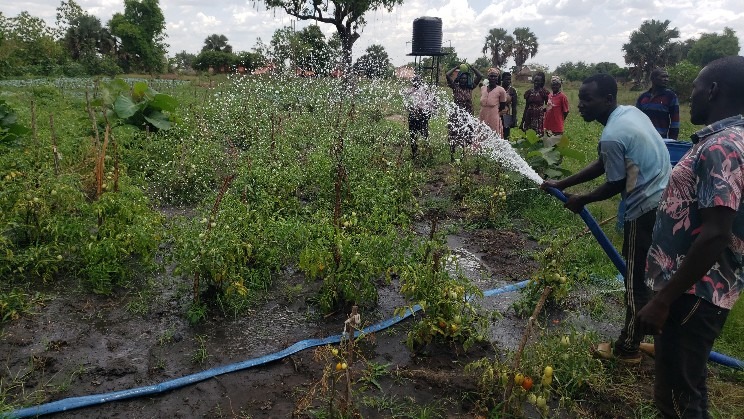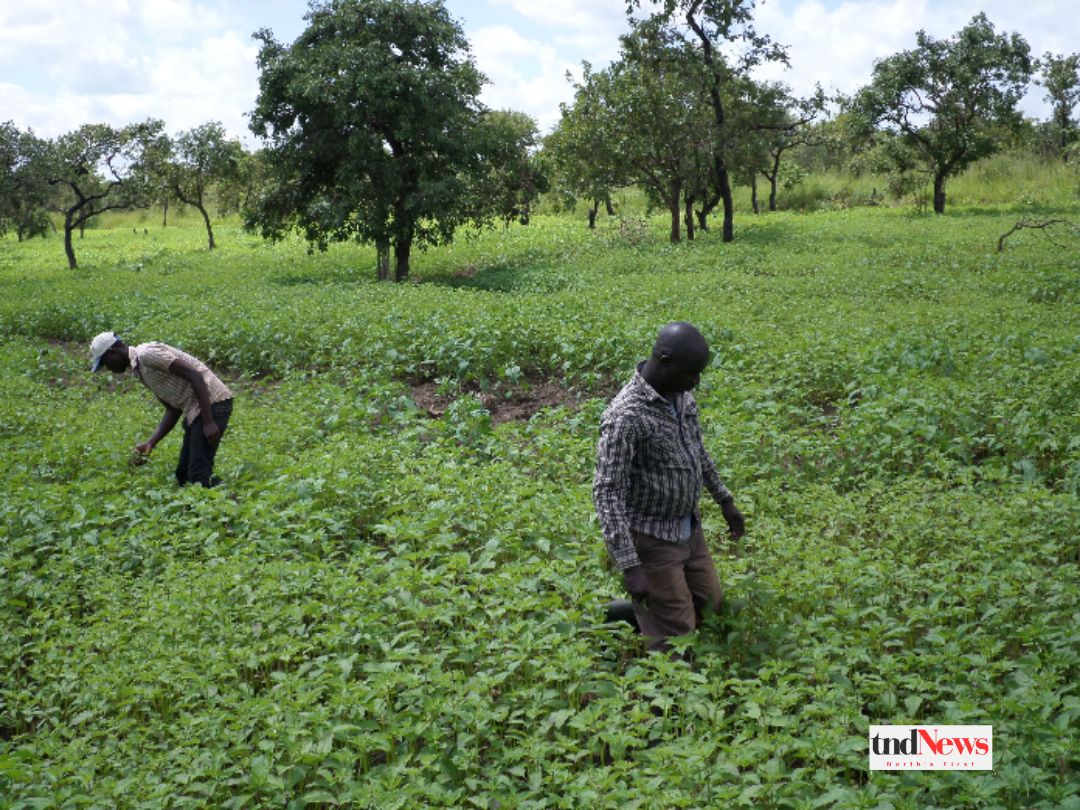
Lamwo | In the vast, sun-kissed plains of northern Uganda’s Acholi sub-region, a small seed is quietly stirring hope and hardship in equal measure. Simsim, also known as sesame, has long been a staple of Lamwo district’s agricultural economy.
But according to Professor Charles Amone, a seasoned educationalist and parliamentary aspirant for Palabek County, this so-called “white gold” remains an untapped fortune for the very people who grow it.
“Simsim has become the backbone of farming in Lamwo,” Prof. Amone explains during a recent interview in Palabek Kal. “Over 90% of our farmers rely on it for income, yet they are trapped in a cycle where they toil hard and earn little because of poor market access and exploitation by middlemen.”
Amone, who hails from the region and has deep roots in education and rural development, says farmers are often forced to sell their harvests immediately after harvest season a time when prices are lowest just to meet immediate needs. As a result, the true value of Simsim slips through their fingers.

“It’s painful,” he says. “They sweat under the sun for months, only to sell at giveaway prices. The middlemen take the profits. That must change.”
Voices from the ground: Farmers speak out
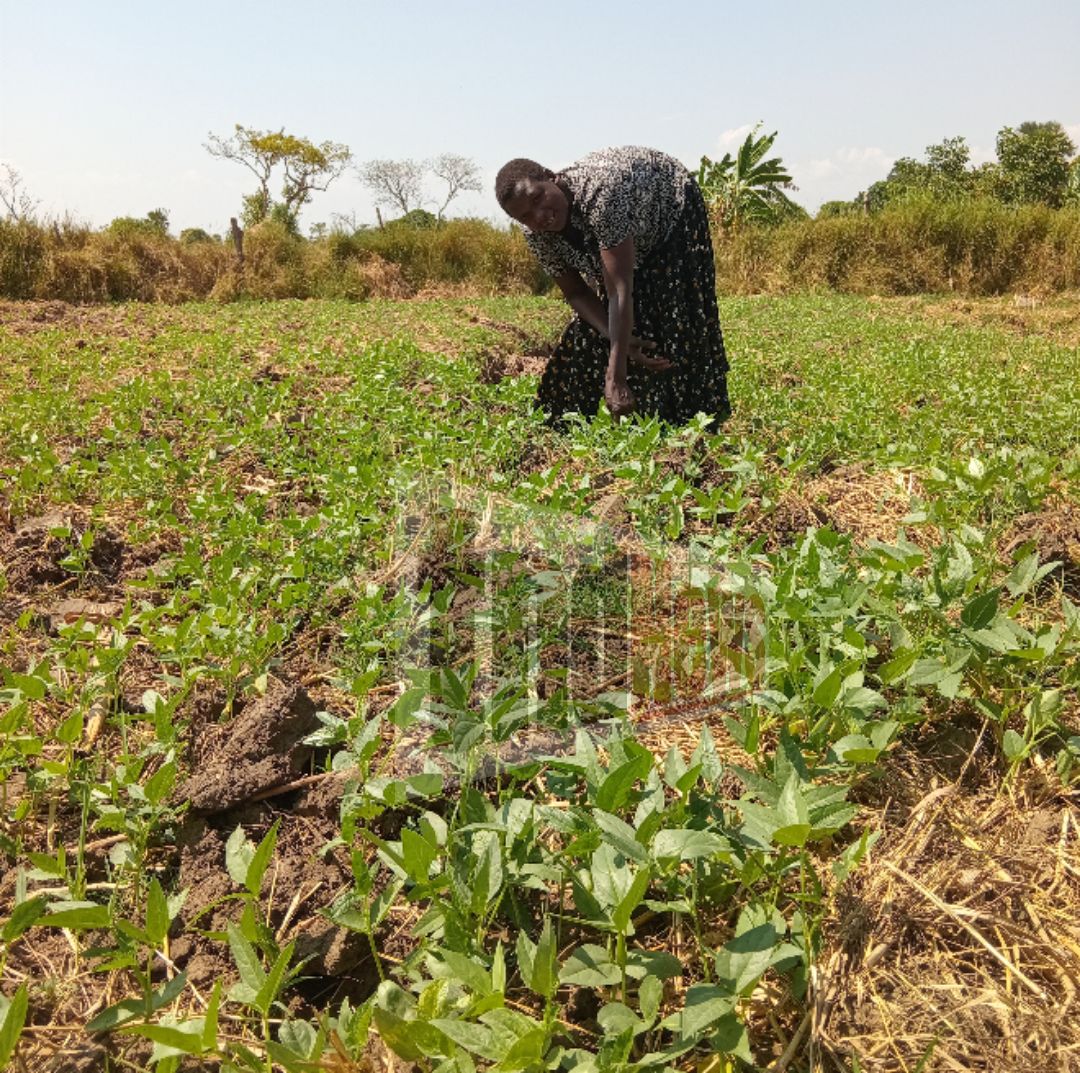
In Palabek Kal, Margaret Akello, a 46-year-old widow and mother of five, sorts through a large basket of simsim she recently harvested.
“I planted two acres this season,” she says. “But the buyer from Gulu offered me only 2,500 shillings per kilogram. I wanted to wait for better prices, but I needed money to pay school fees. I had no choice.” Her story echoes across the district.
Farmers like Geoffrey Okema, a youth leader and Simsim grower, express frustration over a system that leaves them little bargaining power.
“We know the value of our crop,” Okema says, “but we don’t have storage facilities, and we don’t have access to better markets. That’s where our hands are tied.”
Community leaders weigh in
Local leaders are rallying behind the call for reform. David Odong, a cultural leader in Palabek, says Simsim has potential not just as an economic tool, but as a means of restoring dignity and self-reliance in post-conflict Acholi.
“Our people have suffered through war and displacement,” Odong reflects. “Now we have peace, we must use what we have to rebuild. Simsim is our gift; we must protect its value.”
Rose Adong, the Women’s leaders in Palabek gem sub county, stresses the importance of organizing farmers into cooperatives to strengthen their market position.
“If we unite, we can negotiate better prices and invest in things like storage, cleaning, and packaging,” she explains. “But we need leaders who understand our challenges and can speak for us in Kampala and beyond.”
A vision for sustainable prosperity
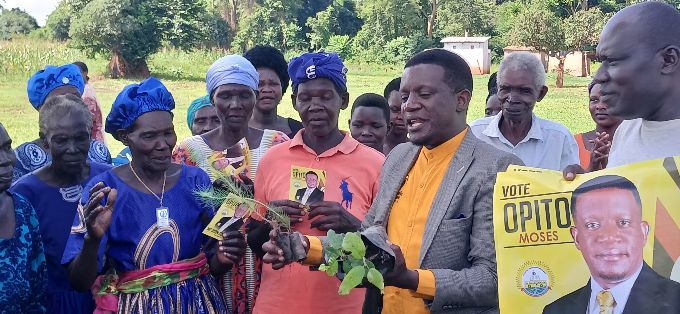
That’s where Professor Amone believes he can make a difference. If elected to Parliament, he pledges to prioritize agricultural reform, starting with Simsim. His plan includes: Connecting farmers directly to international markets to bypass middlemen.
Also establishing modern storage facilities to allow farmers to hold their produce until prices improve, providing training on post-harvest handling to increase the quality and value of local simsim and promoting cooperative farming and collective bargaining to improve market access.
“Our farmers need not just handshakes from politicians,” he says, “they need policy, investment, and real opportunities. That’s the leadership I want to offer.”
Looking ahead
With elections drawing near, Prof. Amone’s message is gaining traction, especially among young farmers and women’s groups. Whether his vision will translate into votes and ultimately into tangible change he remains to be seen.
But in the fields of Lamwo, where the next Simsim harvest is already being prepared, the hope for a better tomorrow is beginning to bloom. For now, the seeds of that transformation lie quietly beneath the soil waiting for the right conditions to flourish.
The crop is typically grown on small-scale plots ranging from 1 to 3 acres per household, with an average yield of 250 to 400 kilograms per acre under traditional farming methods.
Despite its high value on international markets especially in the Middle East, India, and Europe, farmers in Lamwo often sell their simsim during the low season at prices between shs2,000 and shs2,500 per kilogram, far below the shs3,500 to shs4,200 per kilogram available in the peak season.
Uganda exported more than 25,000 metric tons of simsim in 2023 alone, underlining the crop’s global demand. However, exploitative middlemen, lack of proper storage facilities, limited market access, and poor post-harvest handling have created bottlenecks that prevent local farmers from capitalizing on this opportunity.
Discover more from tndNews, Uganda
Subscribe to get the latest posts sent to your email.