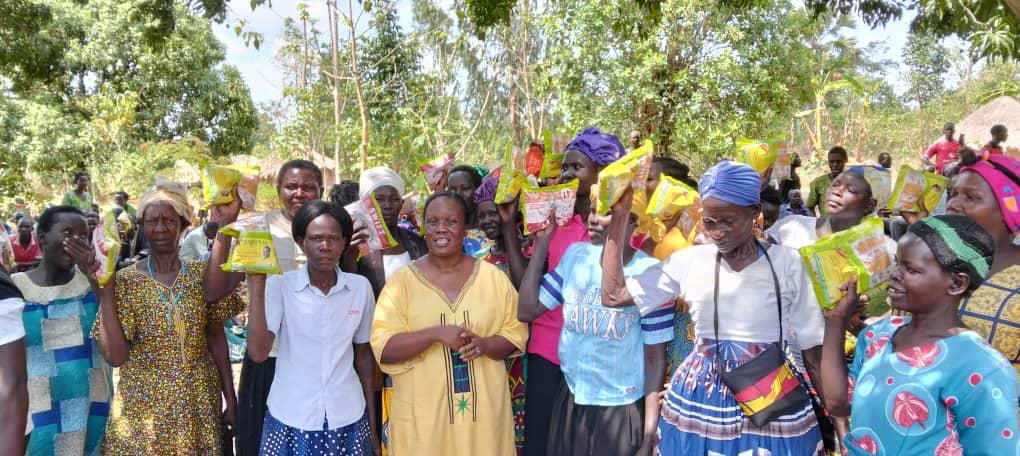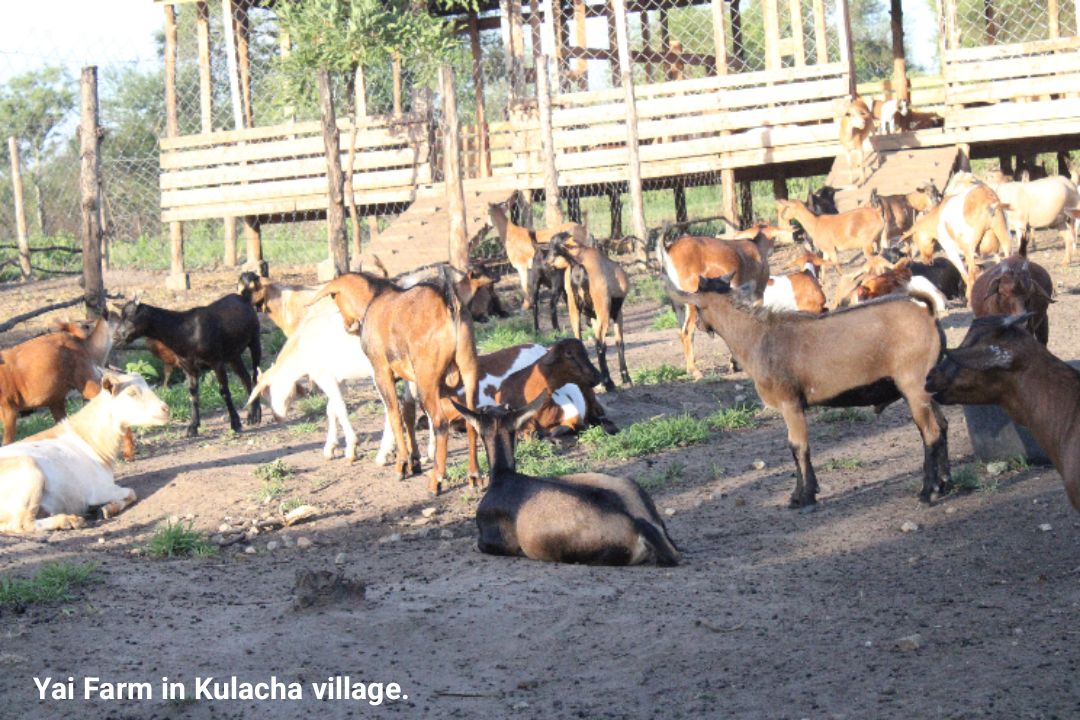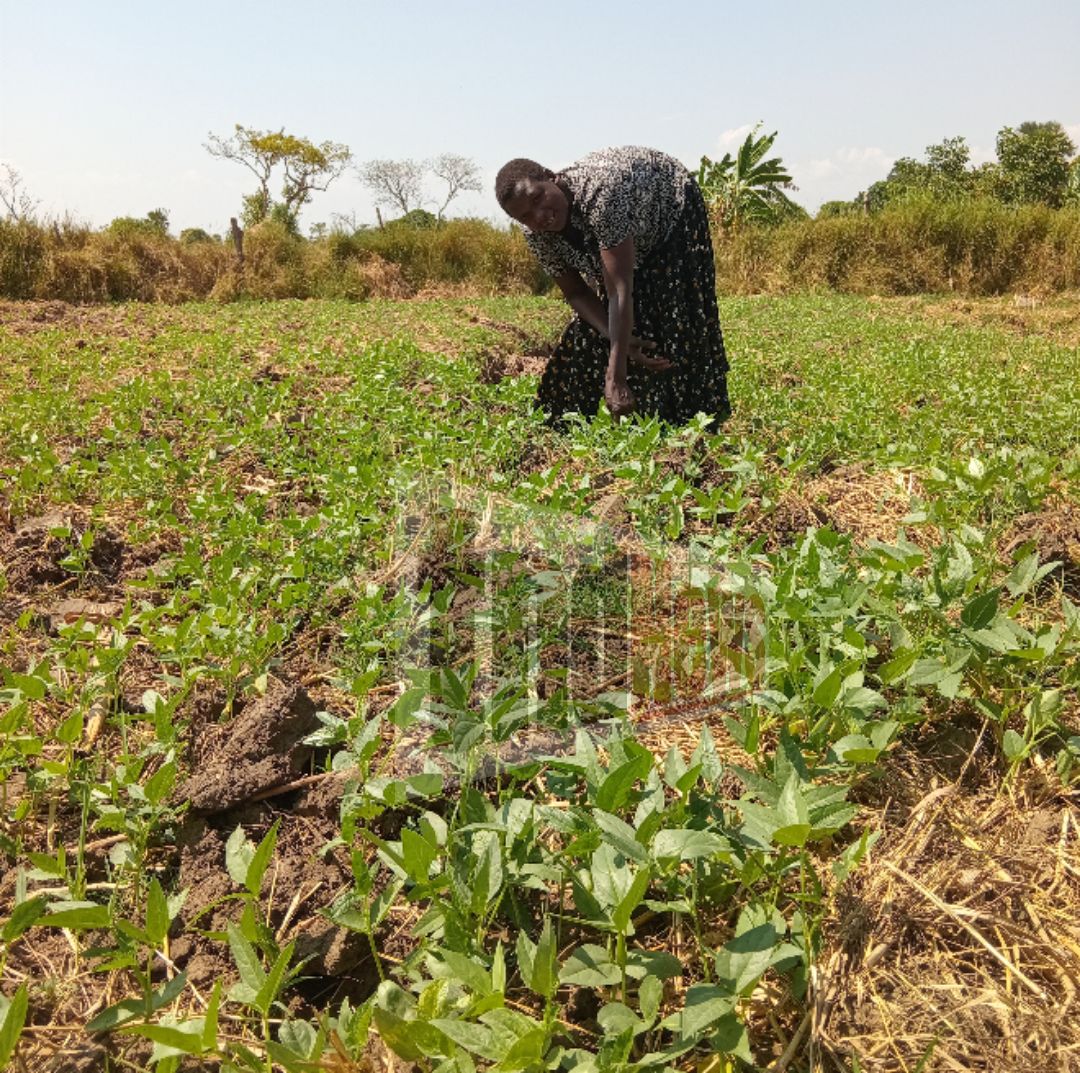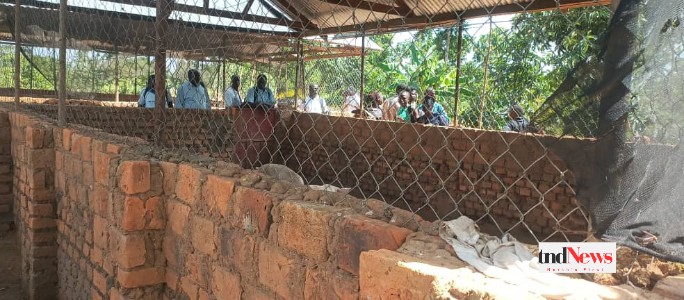
A team from the Uganda Climate Smart Agricultural Transformation Project (UCSATP) on Wednesday, May 4, 2025, visited Kyoga Bridge Group Farm in Alemere Bung Cell, Amolatar district.
The visit was to assess the group’s progress in implementing climate-smart agricultural practices.
The technical delegation comprising senior officials from the Ministry of Agriculture, Animal Industry, and Fisheries (MAAIF) focused on evaluating innovations in piggery and black soldier fly (BSF) rearing.

tndNews understands that the visit was also to guide the group on eligibility requirements for continued support under the UCSATP initiative.
Kyoga Bridge Group Farm was founded on February 21, 2023, by Ojede James. What began as a small piggery enterprise has grown into a vibrant community initiative with five active members.
According to the group’s general secretary, Ojawang Denis, they ventured into BSF farming after receiving UCSATP-led training on sustainable livestock feed production.
“Black soldier flies offer a sustainable protein source for animal feed while helping manage organic waste. This aligns with UCSATP’s vision of climate-resilient agriculture,” Ojawang explained.
The flies convert organic waste into high-protein larvae, which not only lowers dependency on costly commercial feeds but also reduces environmental pollution, a key benefit emphasized during the inspection.
Despite these achievements, the UCSATP team noted that structural reforms were needed for the group to qualify for further support.
MAAIF senior entomologist Sebagala Hussin advised the group to reorganize their membership to align with UCSATP criteria.
Senior agriculture inspector Nakimuli Florence highlighted the importance of gender inclusivity, stating that groups must include at least 40% female membership and ensure women are represented in leadership roles.
She also outlined additional criteria: groups should consist of 15 to 18 members from different households and must include youth, women, and persons with disabilities to qualify.
Amolatar district’s senior entomologist, Okello Dulson, emphasized that UCSATP differs from the Parish Development Model (PDM) because it is co-funded and tailored specifically for climate-resilient practices.
“Extension workers and community development officers must be proactive in identifying and recommending groups that can benefit from UCSATP,” Dulson said.
Immaculate Apio , the Community Development Officer for Amolatar town council, praised the group’s progress, stating that piggery success laid a strong foundation for their transition into BSF farming. She noted that their achievements could serve as a model for other community groups.
Meanwhile, Denis Okello, a community member, admitted he had initially underestimated BSF farming.
“We thought fly farming wasn’t important, but now that the government is investing in it, we are ready to get involved,” he remarked.
The UCSATP aims to increase productivity, improve market access, and strengthen resilience in selected agricultural value chains while ensuring readiness for crises or emergencies.
By promoting climate-smart agricultural technologies and management practices, the project seeks to sustainably boost productivity and household incomes while building resilience to climate shocks.

Currently, 163 groups in Amolatar district are benefiting from UCSATP grants, with a focus on sectors such as beef, mango, soybean, citrus, fisheries, and black soldier fly farming.
Discover more from tndNews, Uganda
Subscribe to get the latest posts sent to your email.