The Lamwo district veterinary department has called on livestock farmers to step up efforts in spraying their animals against ticks, which are known vectors of serious animal diseases that threaten both animal health and farmers’ livelihoods.
According to veterinary officials, the rise in tick-borne diseases such as East Coast fever, anaplasmosis, and babesiosis has significantly affected livestock productivity in the district.
These diseases, spread primarily through tick infestation, lead to loss of body condition, reduced milk yield, poor-quality meat, and, in severe cases, death of animals.
Dr. Stanely Avudraga, the district veterinary officer, noted that many farmers have become reluctant in regularly spraying their animals, which has resulted in a surge in cases of tick infestation across several sub-counties.
“We are appealing to all livestock farmers to take responsibility for the health of their animals. Regular spraying is the only effective way to control ticks and prevent the spread of deadly diseases.
“Failure to do so results in economic losses, poor-quality animal products, and even the death of valuable livestock,” Dr. Avudraga said during an interview with tndNews in his office at the district headquarter.
He further emphasized that tick-borne diseases do not just affect animals but also pose a threat to public health, as some are zoonotic and can spread to humans.
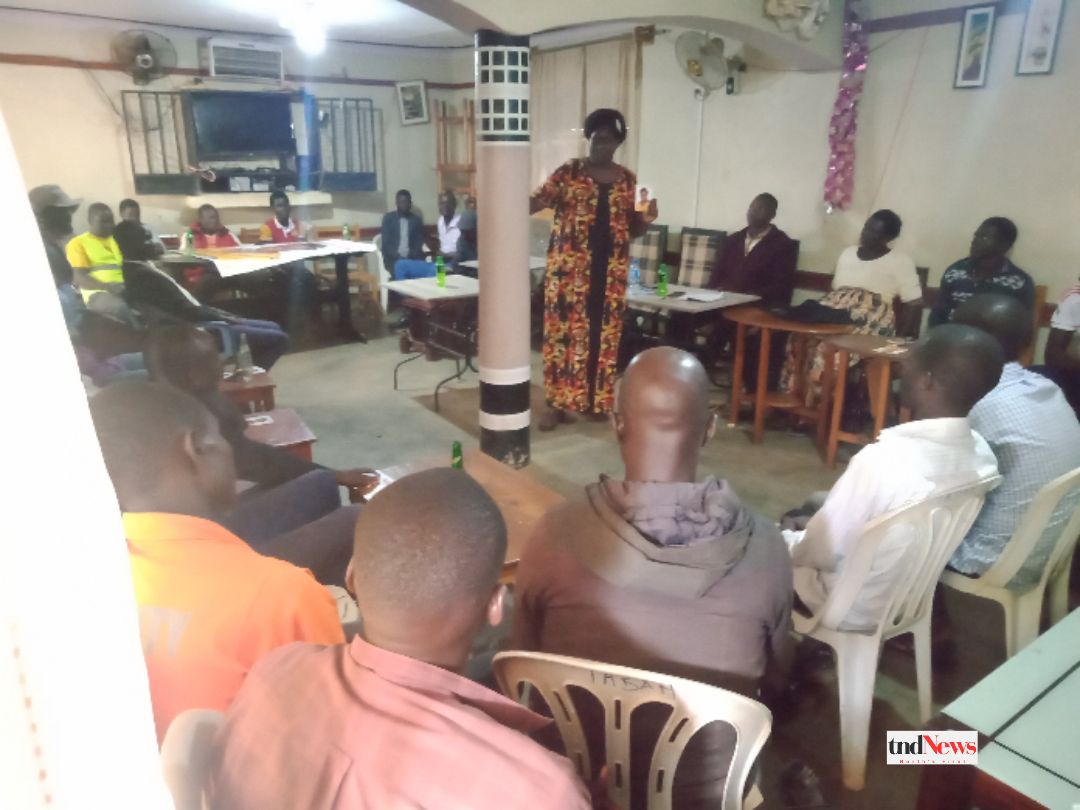
The veterinary department, in partnership with local leaders and extension workers, has embarked on an awareness campaign across the district to educate farmers about proper tick control practices, including the correct use of acaricides, proper spraying intervals, and rotational grazing to reduce tick populations in the environment.
Farmers have been urged to report any signs of disease early and to seek veterinary assistance rather than relying on unverified traditional treatments.
Several farmers welcomed the initiative but appealed to the government to support them with subsidized veterinary drugs and equipment.
“We want to protect our animals, but acaricides are expensive. If the government can help us with affordable or free drugs, it will be easier for us to comply,” said Christine Acam, a farmer from Madi Opei sub-county.
The veterinary department has pledged to continue working closely with farming communities to ensure that livestock in Lamwo remains healthy, productive, and profitable for the households that depend on them for their livelihoods.
Discover more from tndNews, Uganda
Subscribe to get the latest posts sent to your email.