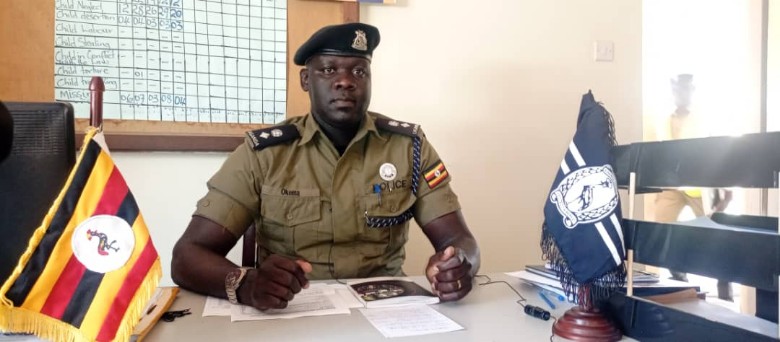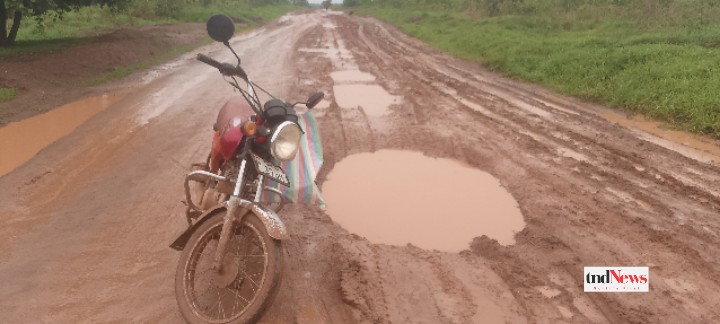
The Resident District Commissioner (RDC) of Lamwo, William Komakech, has formally petitioned the Secretary General of the National Resistance Movement (NRM), raising concerns about the poor condition of key roads in the district that fall under the jurisdiction of the central government.
In his petition, Komakech demanded immediate action to address two critical road networks that have become increasingly impassable: The roads in question include;
Kitgum–Lamwo–Ngomoromo road, a vital corridor that links Lamwo district to South Sudan, facilitating cross-border trade and movement. Kitgum–Palabek Refugee Settlement–Atyak (Amuru district) road – an essential route for both local transport and humanitarian operations, now severely degraded.
The RDC emphasized the urgent need for government intervention to rehabilitate these roads, as their current state is affecting economic activities and the movement of people and goods in the region.
“The deteriorating condition of these roads has significantly affected transport, trade, and access to critical services,” Komakech stated. “We are appealing to the central government to prioritize their rehabilitation.”
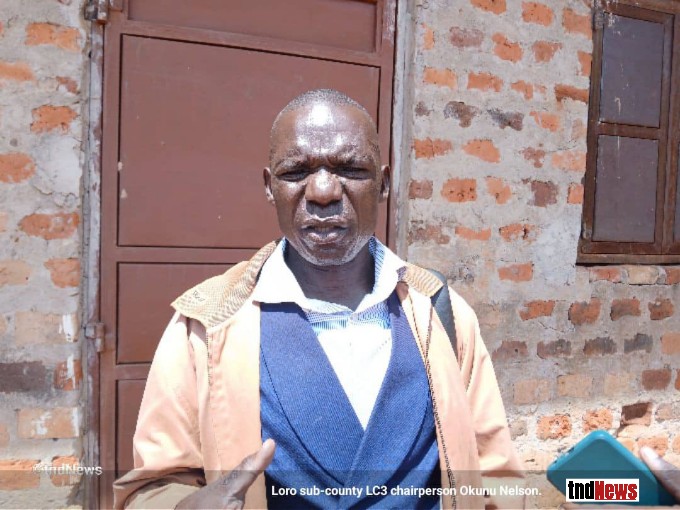
Doris Abalo, the Lamwo district secretary of work and technical services, stated that the state of district roads, particularly Central government roads, is more than just a local issue; it is a barrier to the district’s development.
Abalo added, “We are losing agricultural produce, school attendance is dropping, and health emergencies are becoming harder to handle.”
A community strangled by poor ac
The crumbling roads are particularly detrimental to Lamwo’s largely agrarian economy. Local farmers say they face mounting losses as they struggle to transport their goods to markets.
John Okello, a cassava farmer from Paloga sub-county, explains: “We harvest in bulk, but vehicles refuse to come here. Even boda bodas are charging double. Sometimes, produce just rot in the gardens.”
Residents across Lamwo district have expressed growing frustration over the government’s slow response to infrastructure needs. Many say the poor road conditions have disrupted farming activities, access to healthcare, and school attendance, especially during the rainy season.
Mary Akello, a resident of Palabek said: “Pregnant mothers are struggling to reach health centers, and children are missing school because vehicles cannot pass easily,” Margaret Akello stated. “We feel forgotten.”
James Okot, a local business owner, has also reported increased transport costs and supply delays, further straining the already struggling rural economy.
“Transporting goods now costs almost double, and sometimes suppliers refuse to come here altogether,” said James Okot, a trader in Lamwo town.
Traders are feeling the pinch. Florence Ayaa, who runs a small business in Lukung, says delays and high transport costs are pushing up commodity prices, hurting consumers and squeezing already thin profit margins.
Lamwo County Member of Parliament Nancy Acora, has backed the RDC’s petition, stating that road infrastructure in the district has been neglected for far too long. These roads are not just local paths, they are economic lifelines for thousands of people,” said Acora.
She further urged the Ministry of Works and Transport to prioritize road works in northern Uganda, stressing that development cannot take place without reliable infrastructure.
Health and education at risk
The road crisis extends beyond the economy. Health centers report frequent delays in emergency response, and in some cases, ambulances are forced to turn back or find longer alternative routes.
“We lost a pregnant mother last month. The ambulance got stuck for hours,” said a health worker at Palabek Ogili Health Centre III, who requested anonymity.
School administrators also say attendance dips significantly during the rainy season when students from outlying villages cannot safely reach their schools.
A deeper governance issue
Analysts see Komakech’s petition not merely as a plea for road repair, but as a sign of deeper frustrations within local government circles over central government inaction.
“When an RDC, a presidential appointee, feels compelled to petition his own party leadership, it signals institutional fatigue,” said Denis Okello, a political analyst in Lamwo District. “This is about more than roads. It’s about broken channels of responsiveness.”
Despite the outcry, the Ministry of Works and Transport has yet to issue a formal response to the concerns raised.
A call for sustainable investment
Locals and leaders alike argue that Lamwo requires long-term infrastructure investment rather than a temporary patchwork approach.
“We have been patient,” said RDC Komakech. “But without roads, all other development programs in education, health, and trade are bound to fail. The people of Lamwo deserve better.”
Until then, life in Lamwo moves at a crawl one pothole at a time.
Discover more from tndNews, Uganda
Subscribe to get the latest posts sent to your email.