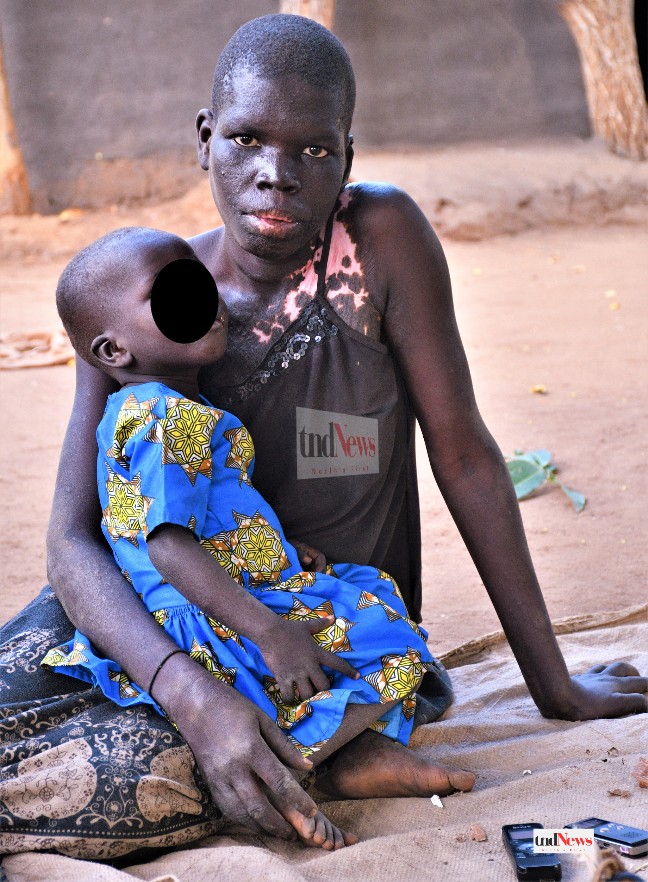
According to a local leaders’ assessment, at least 179 girls with nodding syndrome in Labongo Amida West sub-county, Kitgum district, have been sexually abused in the last year.
Nodding syndrome is a debilitating neurological disorder that has affected thousands of children in northern Uganda, especially in areas where the parasitic worm Onchocerca volvulus, which causes river blindness, is common.
The disease is distinguished by involuntary head nodding, seizures, and progressive neurological decline, which frequently results in stunted growth, cognitive impairments, and even death. Although the exact cause is unknown, the syndrome has a strong association with onchocerciasis.
The syndrome is currently affecting approximately 1,700 children in northern Uganda. Kitgum, Pader, Amuru, Lamwo, Gulu, and Nwoya are among the most severely affected districts.
According to Labongo Amida West sub-county LC3 chairperson Oloya Amos, 179 girls aged 15 to 24 were sexually abused, with many of them now mothers.
He revealed that four more are currently pregnant, and the majority are unaware of the fathers’ identities. These cases were reported between 2024 and March 2025.
Between 2018 and 2021, the Irene Gleeson Foundation (IGF), a charity based in Kitgum district, documented at least 1,000 similar cases in Kitgum and Lamwo.
Of these, 55 victims were from Lamwo and 945 from Kitgum, as confirmed by district probation departments.
“These are young people and their families who are suffering silently and dying with nodding syndrome,” said Oloya.
He highlighted the desperate conditions many victims live in, often without food or sufficient care, as caregivers are unable to engage in income-generating activities due to the intensive care demands of the syndrome.
Ventorina Acan, a mother of a 15-year-old victim, shared that her daughter was attacked at a water point while unaccompanied.
“The government should introduce stringent measures against such perpetrators,” Acan urged, appealing for food and livelihood support from both the government and development partners.
She also recommended the establishment of specialized healthcare centers for acute nodding syndrome cases, allowing parents to attend to other children.
Otto Joe, a local coordinator for nodding syndrome in Labongo Akwang and reportedly the first person to identify the syndrome in 1997, criticized the silence surrounding the issue and called on the Acholi elite and the government to act collectively.
Expert opinions and government response
Professor Dr. Sylvester Onzivua, a pathologist at Mulago Hospital, defined nodding syndrome as an unexplained neurological condition characterized by frequent head nodding, convulsions, and staring spells.
He noted that most severe cases are among those born between 1995 and 2005, calling for a thorough investigation into environmental or health-related factors during that period.
In 2022, Uganda’s 3rd Deputy Prime Minister, Rukia Nakadama, delivered shs10 million on behalf of the Office of the Prime Minister to support the victims.
She affirmed the government’s commitment to finding a solution and noted that a training center for health workers had been established in Kitgum, although funding remains inadequate.
Looking forward
Dr. Onzivua mentioned ongoing research efforts in partnership with the University of Toronto to investigate the cause and potential solutions for the syndrome. He urged the Ugandan government to support these international collaborations.
Kitgum Municipality MP Onekalit Denis Amere appealed for improved housing, food, and general support for affected families.
State Minister for Disaster Preparedness and Refugees, Lillian Aber, reiterated the government’s commitment to reviving the Tumangu Nodding Care Center, originally constructed in 2017 with help from Hope for Humans, a project initiated by U.S. neurosurgeon Dr. Suzanne Gazda.
Though it was commissioned by President Yoweri Museveni, the center was never used due to funding shortages.
The Office of the Prime Minister has since installed solar lighting and pledged support services including feeding, psychosocial care, and vocational training.
In 2022, a national fundraising campaign was held in Kitgum with the theme “Reawaken Attention and National Concern to the Plight of Children Affected by Nodding Syndrome” in memory of Irene Gleeson, an Australian philanthropist who worked for over 20 years to improve lives in northern Uganda.
Discover more from tndNews, Uganda
Subscribe to get the latest posts sent to your email.