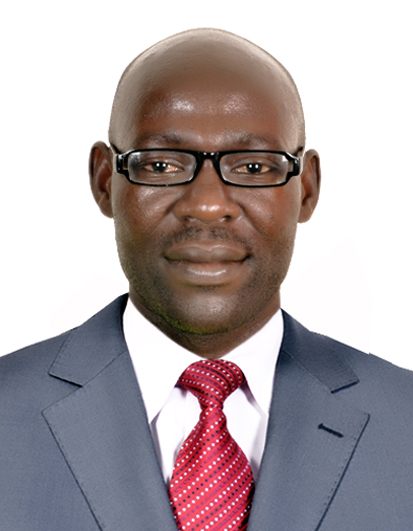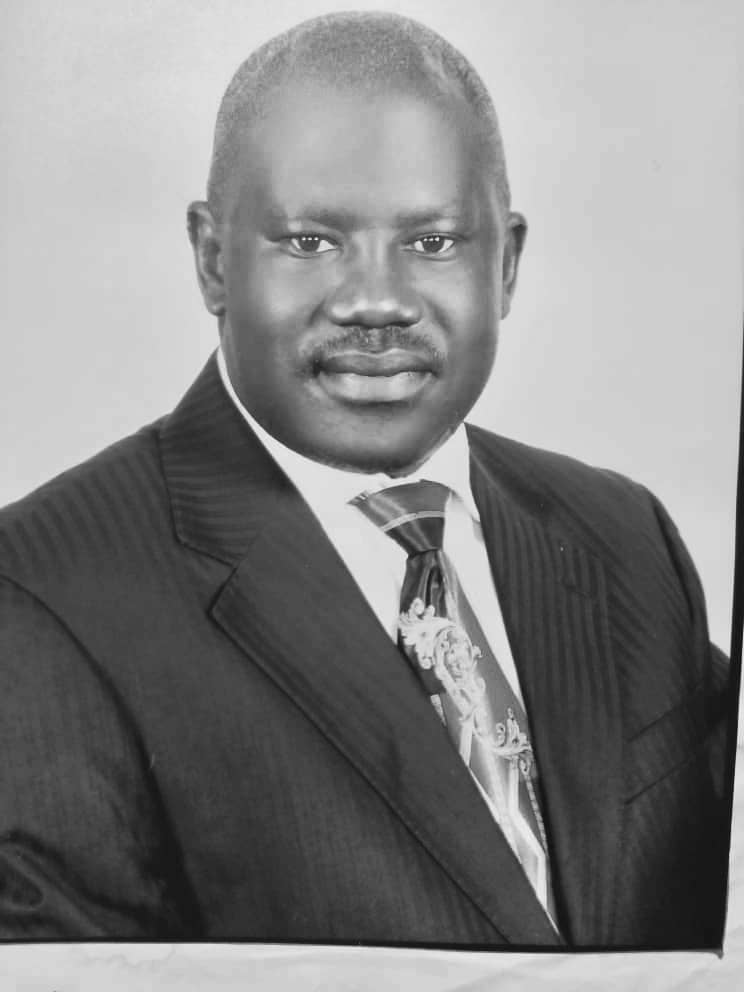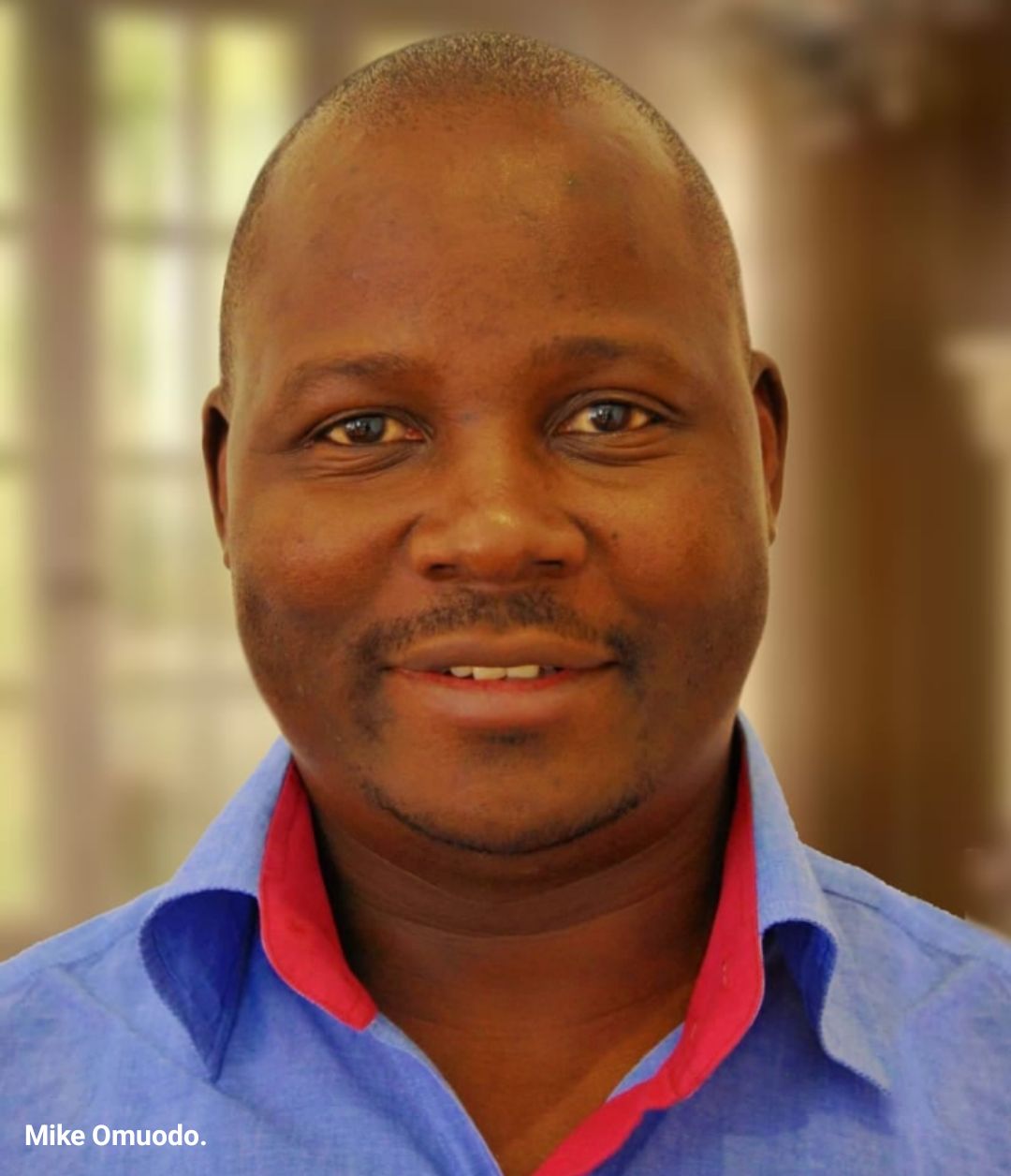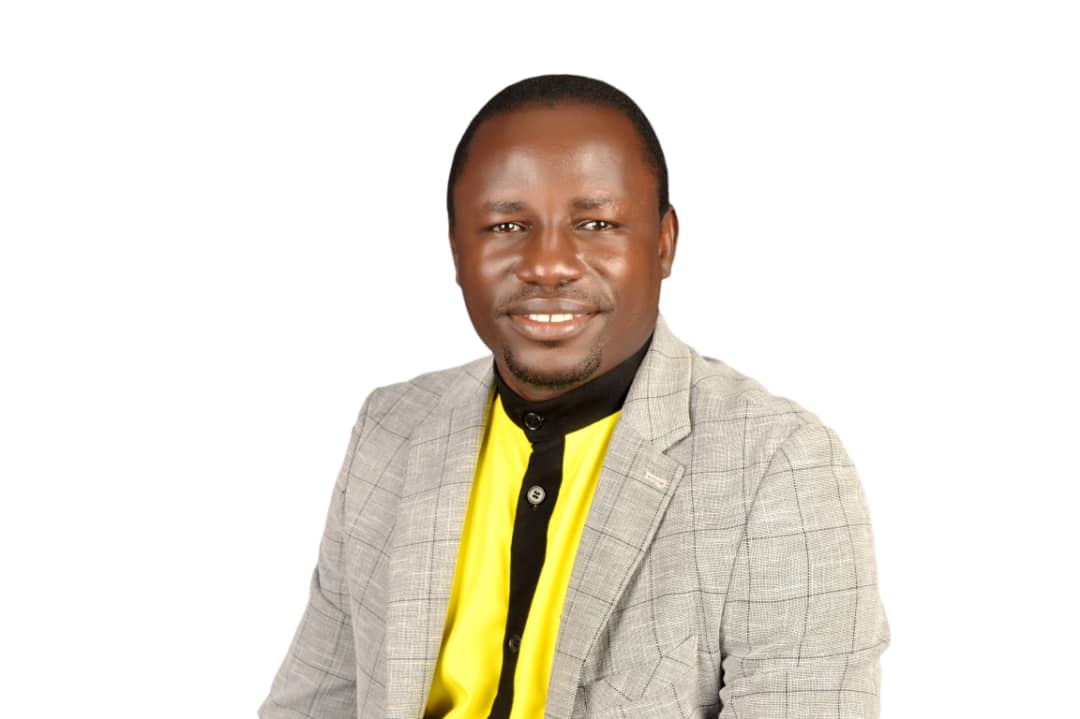
By Dr. Morris Chris Ongom, CEO, GLOFORD Uganda and Director, Chamber of Commerce and Industry, Lango Chapter
Lango, a region renowned for its rich cultural heritage, strong political legacy, and deep community values, stands at a crossroads. Despite its immense potential, the region continues to grapple with challenges such as poverty, unemployment, and underdeveloped infrastructure.
The question is, for how much longer? If Lango is to break free from this cycle and achieve sustainable progress, its elites—those with the knowledge, skills, and resources—must take center stage. The time to act is now or never.
The role of Elites in transformation
Throughout history, transformation has never happened by accident. It has always been led by a determined and visionary group—elites—who use their influence, leadership, and resources to shape societies.
In Lango, these elites are drawn from politics, business, academia, religion, social activism, and culture. Each of these groups has a role to play in steering the region toward a brighter future.
Political Elites: Leaders in government and public institutions shape policies, allocate resources, and set the agenda for development. Strong political leadership can drive investment in infrastructure, agriculture, education, and industrialization—key pillars of transformation.
Economic Elites: Business leaders, entrepreneurs, and investors hold the key to unlocking economic opportunities. By investing in agribusiness, small and medium-sized enterprises (SMEs), and infrastructure, they can drive job creation, strengthen value chains, and make Lango a competitive economic hub.
Intellectual Elites: Educators, researchers, and professionals must take the lead in shaping a knowledge-based economy. By promoting education, skills development, and innovation, they can equip young people with the tools they need to thrive in a rapidly evolving world.
Religious Elites: Spiritual leaders play a vital role in shaping values, fostering peace, and advocating for ethical leadership. Their influence is crucial in uniting the community around shared goals, integrity, and accountability.
Social Elites: These include philanthropists, civil society leaders, and human rights advocates who work to address pressing social challenges. Their efforts in healthcare, gender equality, youth empowerment, and social justice ensure that development is inclusive and leaves no one behind.
Cultural Elites: Traditional leaders, artists, musicians, and historians are the custodians of Lango’s identity. By preserving cultural heritage and promoting creative industries, they can contribute to social cohesion, tourism, and economic growth.
Lessons from History: The power of elites in transforming nations
The transformative power of elites is not a new phenomenon. History provides compelling examples of how determined leaders have reshaped their nations.
Mahatma Gandhi (India) – By blending intellectual and political leadership, Gandhi led India’s independence movement through non-violent resistance, rallying both elites and the masses against British rule.
Nelson Mandela (South Africa) – A political icon, Mandela’s leadership dismantled apartheid, united South Africa, and laid the foundation for democracy and social justice.
Abraham Lincoln (United States) – Lincoln’s leadership during the American Civil War helped preserve the Union and abolish slavery, transforming the country’s social and political fabric.
Kwame Nkrumah (Ghana) – As a Pan-Africanist, Nkrumah led Ghana’s independence and inspired movements across Africa, championing self-determination and economic progress.
Ellen Johnson Sirleaf (Liberia) – As Africa’s first female president, Sirleaf guided Liberia through post-war recovery, prioritizing economic reforms, education, and infrastructure.
Julius Nyerere (Tanzania) – Nyerere introduced Ujamaa (African socialism), emphasizing self-reliance and collective development, which helped shape Tanzania’s national identity.
Thomas Sankara (Burkina Faso) – A revolutionary thinker, Sankara fought for self-sufficiency, women’s empowerment, and governance reforms, leaving an indelible mark on Africa’s development discourse.
These examples highlight a critical lesson: when elites unite behind a common vision, transformation follows.
Lango’s political legacy: A history of leadership and influence
Lango is not new to political influence. One of its most prominent sons, Dr. Apollo Milton Obote, was Uganda’s first Prime Minister and later President. He played a significant role in shaping Uganda’s post-independence political and economic policies.
His leadership, though contested in some circles, underscores Lango’s historical significance in national governance.
Beyond Obote, Lango has produced influential politicians, civil servants, military leaders, and technocrats who have left their mark on Uganda’s political landscape. However, despite this rich legacy, the region has yet to fully translate its leadership capital into tangible economic and social transformation. It is time for today’s elites to rekindle that legacy, not just for political prominence, but for real, lasting development.
The time is now: Lango’s Elites must step up
Lango’s future depends on the collective action of its elites. Every category of leadership—political, economic, intellectual, religious, social, and cultural—must rise to the occasion. This is not the time for complacency. It is the time for vision, action, and bold decisions.
Political elites must champion pro-development policies that address youth employment, industrialization, and equitable resource allocation.
Economic elites must invest in value-addition industries, agribusiness, and technology to boost productivity and create employment opportunities.
Intellectual elites must take the lead in education reform, research, and skills development to prepare Lango’s youth for a competitive job market.
Religious elites must use their influence to instill moral integrity, accountability, and unity among leaders and communities.
Social elites must advocate for social justice, poverty alleviation, and community-led development initiatives.
Cultural elites must preserve Lango’s heritage while embracing modernization, leveraging tourism, arts, and cultural industries to drive economic growth.
The region’s transformation will not come from external forces. It must come from within. The responsibility rests on those with influence—the elites—to steer Lango in the right direction.
Conclusion: Lango’s moment of opportunity
Lango stands at the threshold of transformation. The region has the leadership capacity, historical legacy, and human potential to reclaim its place as a beacon of development in Uganda and Africa. However, this will not happen unless its elites rise above individual interests and work together for the common good.
The time for debates without action is over. The time for waiting for external solutions has passed. The time for elite leadership, accountability, and strategic vision is now. Lango’s future will be shaped by those who dare to step up, take responsibility, and lead with purpose.
The choice is clear: transform now or risk being left behind. The elites must take center stage—before it’s too late.
Discover more from tndNews, Uganda
Subscribe to get the latest posts sent to your email.